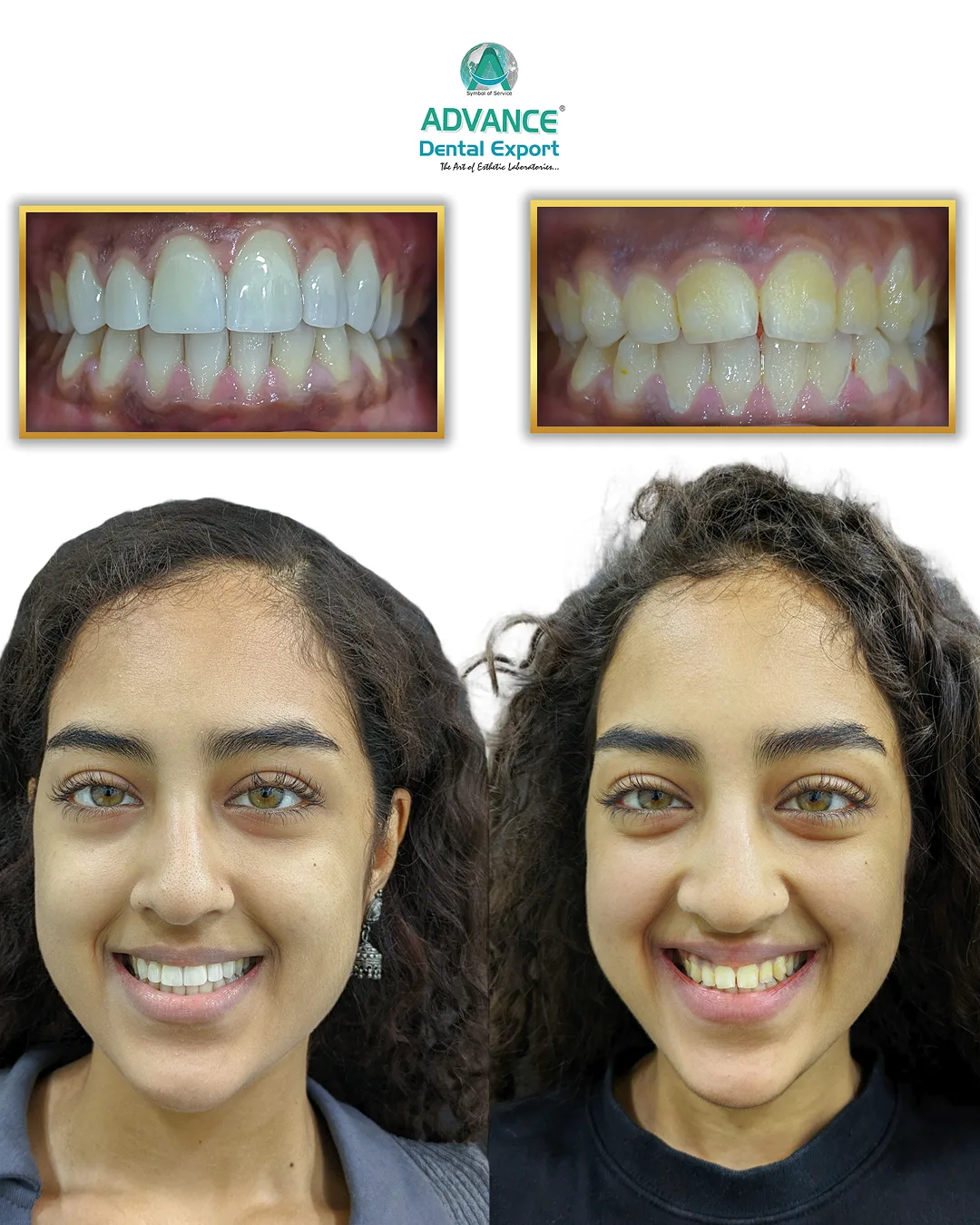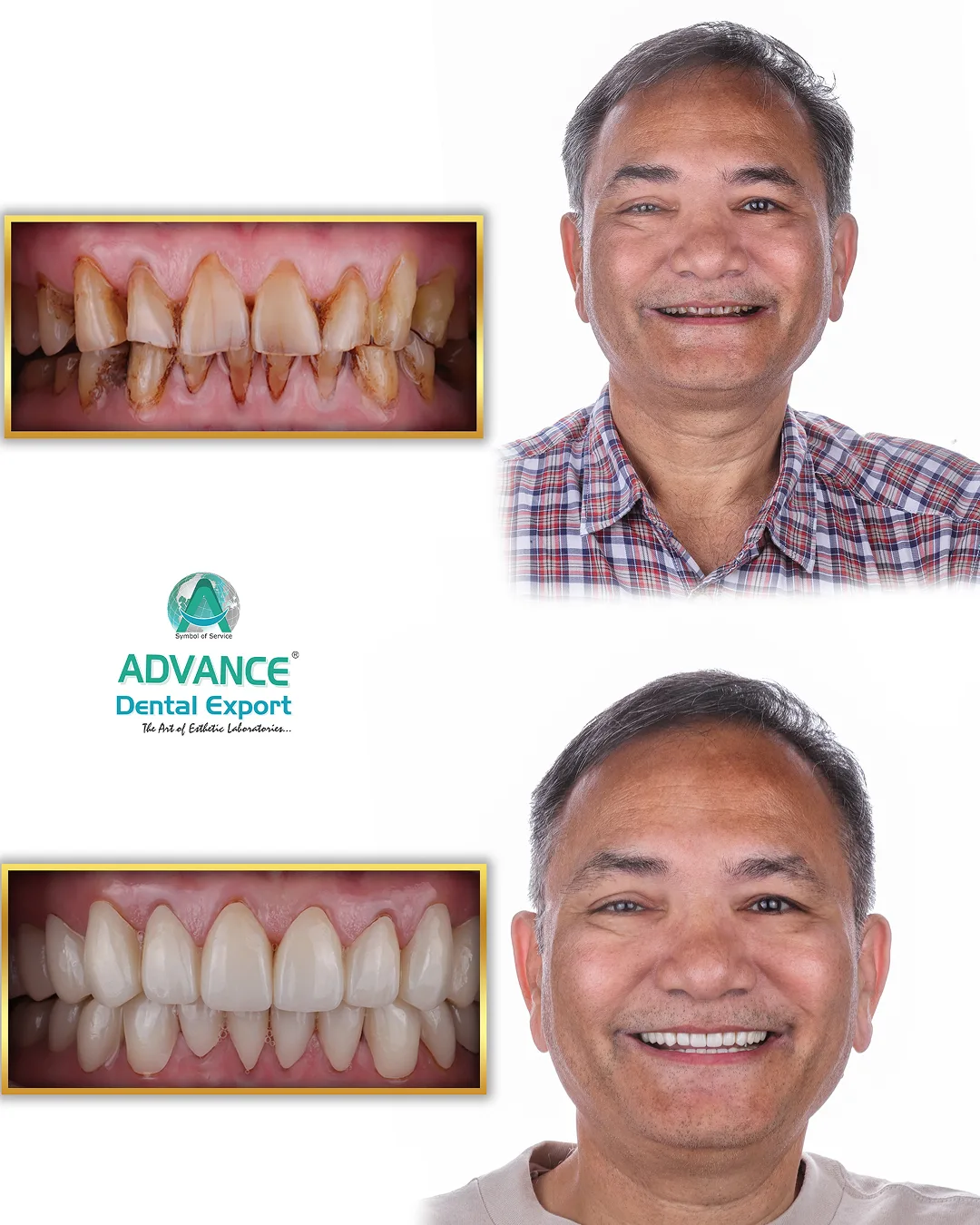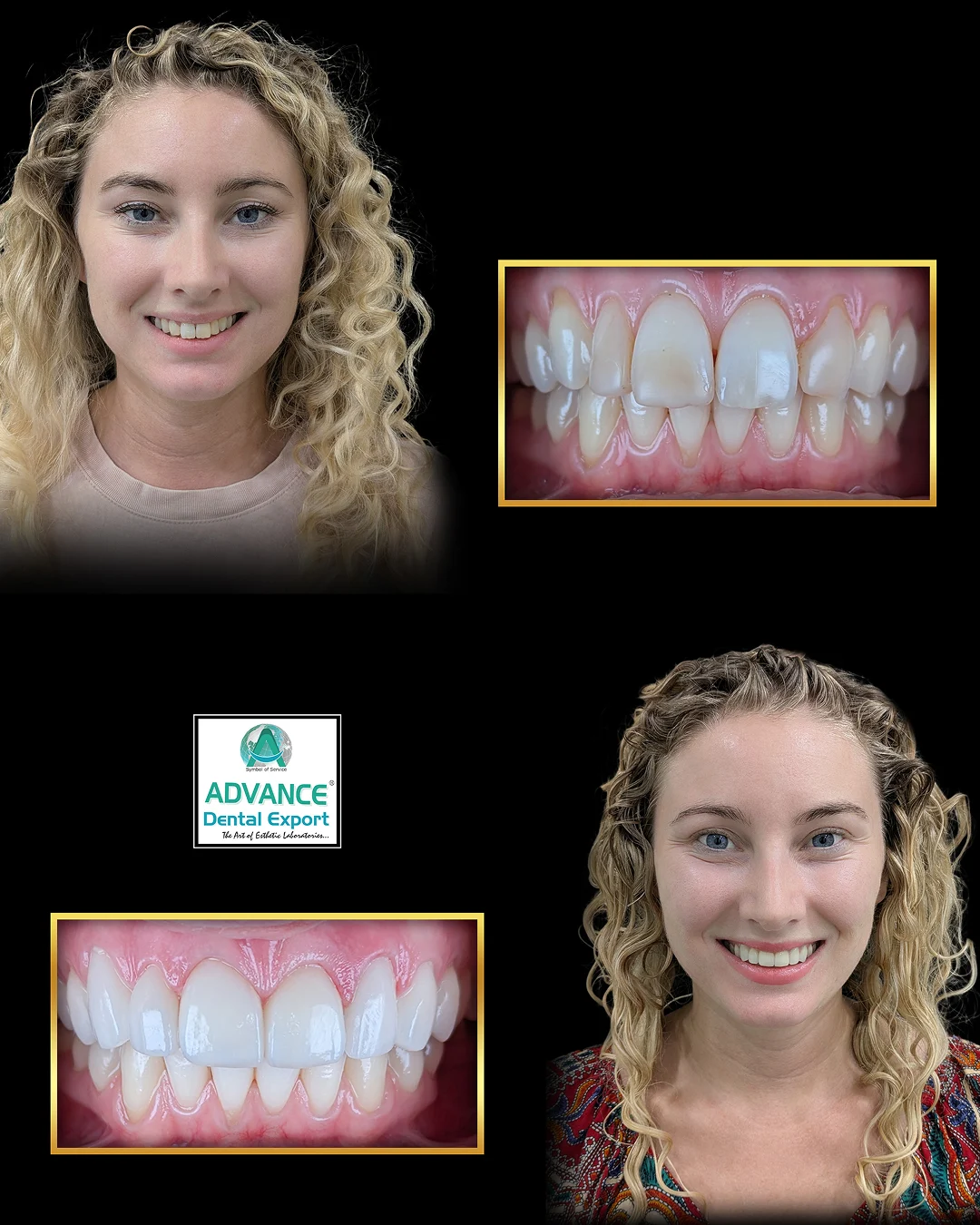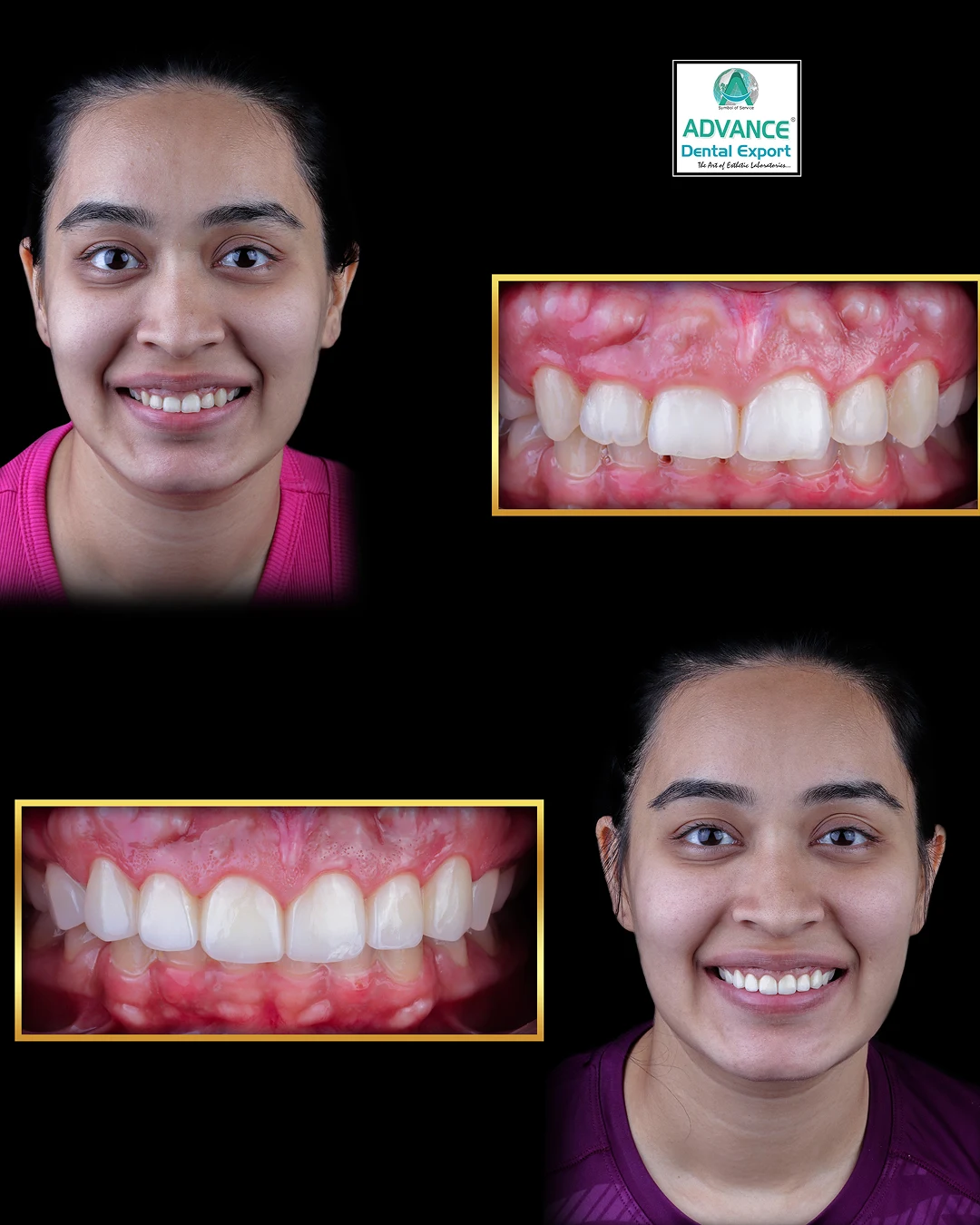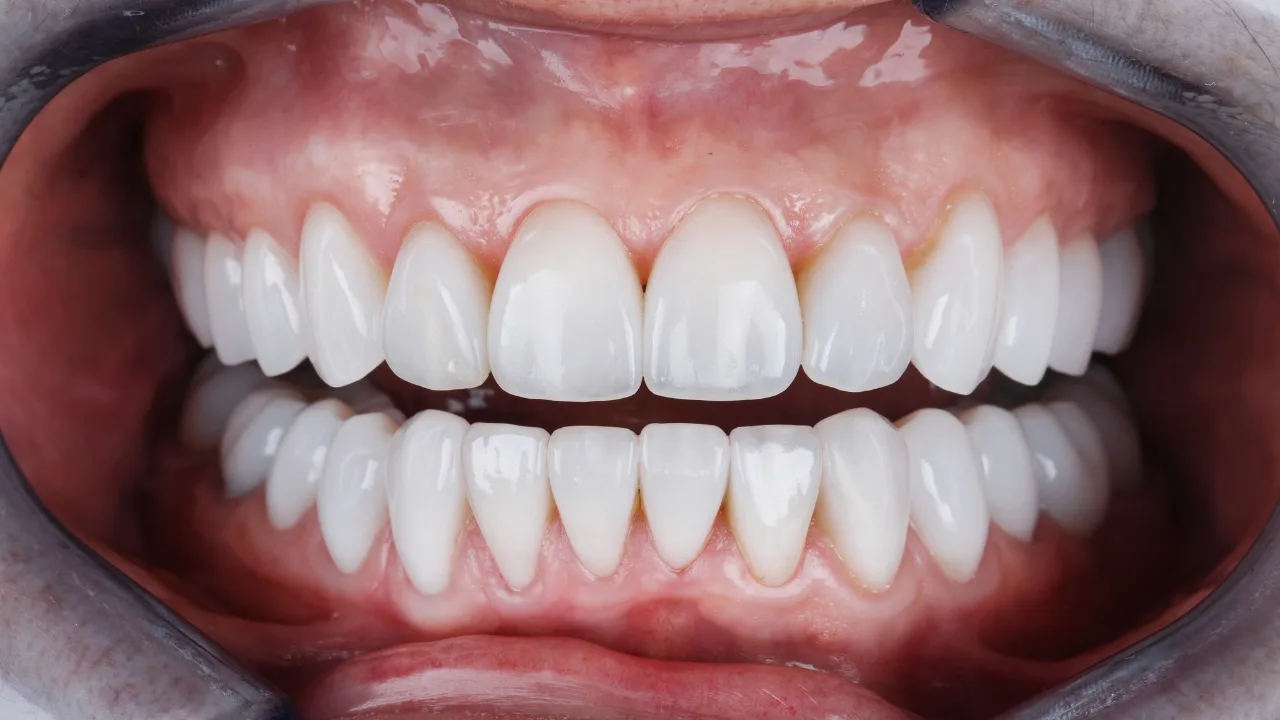
1. Fundamentals of Aesthetic Tooth Preparation
Balancing Aesthetics with Function
When preparing a tooth for aesthetic improvements, it's crucial to maintain a balance between achieving a visually appealing result and ensuring the tooth remains functional. The aesthetic appeal often focuses on creating a perfect alignment and color match, but these enhancements must not compromise the structural integrity of the tooth. Dental professionals must evaluate the strength and durability of materials used in procedures such as veneering or reshaping to ensure they can withstand everyday functions like chewing and biting. This balance ensures that the enhancements are not only attractive but also functional, providing patients with a long-lasting, practical solution.
Furthermore, considerations for function include the preservation of the natural tooth structure whenever possible. Minimally invasive techniques are prioritized to reduce the removal of healthy tooth material and to maintain the natural strength of the tooth. This approach not only preserves the longevity of the tooth but also reduces potential sensitivity and the risk of future dental complications. By focusing on these dual aspects, dental professionals provide treatments that are both aesthetically pleasing and highly functional.
Principles of Visual Harmony
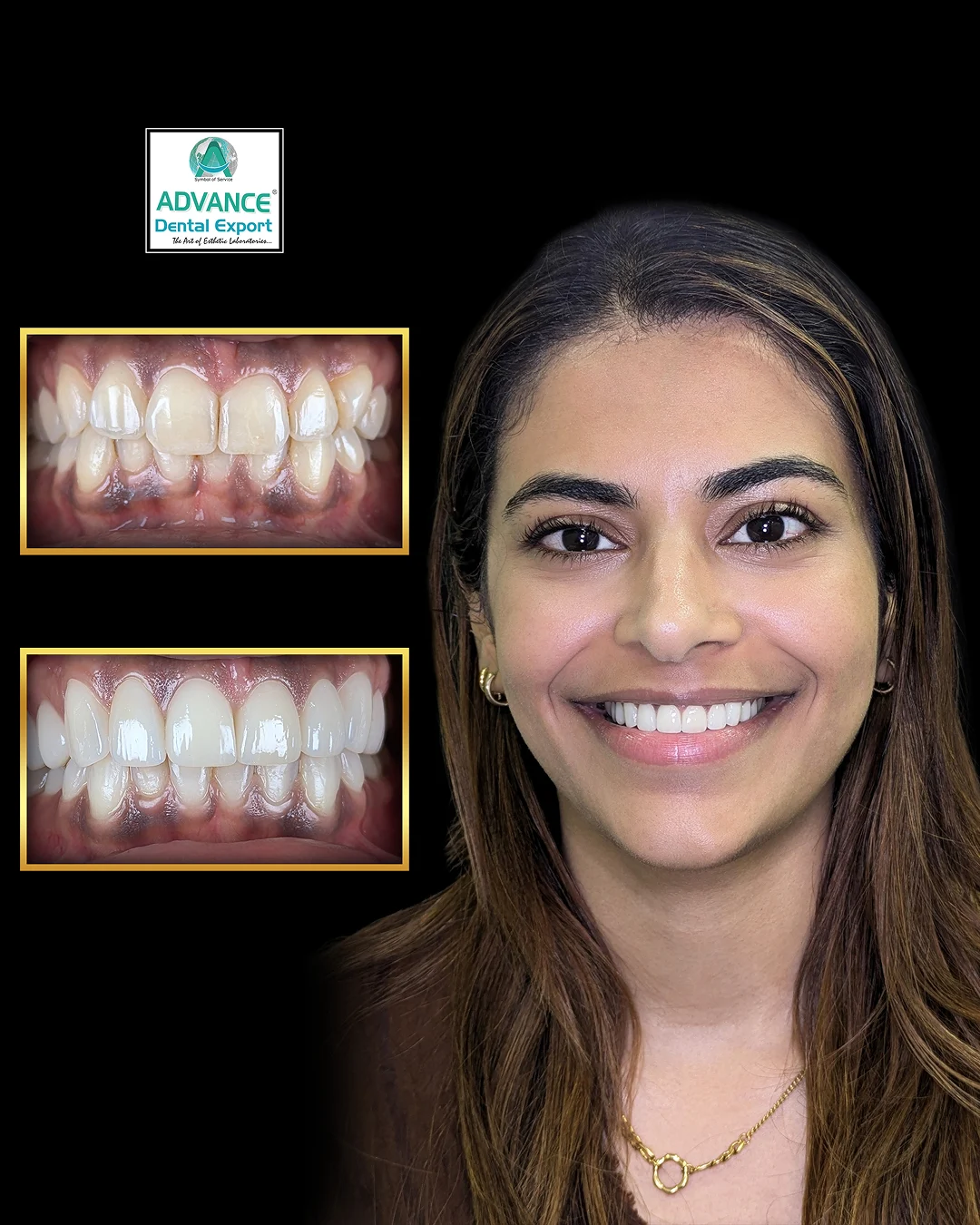
Creating a visually harmonious smile involves more than just adjusting the teeth. It requires a comprehensive understanding of facial symmetry, tooth alignment, and proportion. Each element of the smile, from the individual teeth to the gums and lips, should complement one another, ensuring that the enhancements look natural and aesthetically pleasing. Dentists often use digital imaging and design software to visualize the expected outcomes and make precise adjustments that enhance the overall facial aesthetics.
Additionally, the principles of visual harmony extend to how the teeth interact with the rest of the face. The color, shape, and size of the teeth should be in proportion to the patient’s eyes, nose, and facial contours. Aesthetic dentistry considers factors like the width of the smile, which should ideally align with the eyes, and the teeth’s vertical symmetry with facial lines. These considerations help achieve a balance that makes the smile appear more natural and integral to the patient's facial structure, enhancing their overall appearance and confidence.
2. Choice of Materials for Tooth Restoration
Evaluating Porcelain and Ceramic Options
When selecting materials for tooth restorations, porcelain and ceramic are often top choices due to their aesthetic qualities and durability. Here are some points to consider:
- Aesthetic Appeal: Both porcelain and ceramics offer a high degree of mimicry of natural tooth enamel, providing an excellent match in terms of translucency and shine.
- Durability: These materials are known for their strength and resistance to wear, making them suitable for both front and back teeth restorations.
- Biocompatibility: Porcelain and ceramics are favorable for their compatibility with the human body, reducing the risk of allergic reactions and other adverse effects.
Dentists must carefully evaluate which type of ceramic or porcelain best suits the specific needs of the patient's dental health and aesthetic goals.
Advantages of Using Composite Materials
Composite materials offer an alternative to porcelain and ceramics, particularly in situations where a less invasive or more cost-effective solution is preferred. Key benefits include:
- Versatility: Composites can be easily shaped and polished to match the surrounding teeth, making them ideal for minor modifications and repairs.
- Minimally Invasive: The use of composite often requires less removal of the natural tooth structure compared to other materials, preserving more of the patient's original tooth.
- Cost-Effectiveness: Generally, treatments involving composite materials are more affordable than those using ceramics or porcelain.


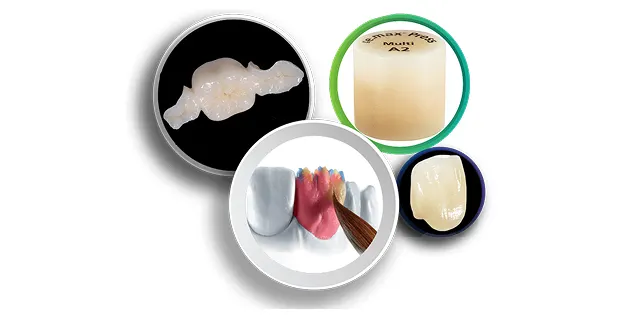
However, it's important to note that while composites are highly versatile and cost-effective, they may not offer the same level of durability or stain resistance as ceramic options.
3. Preparation Techniques for Aesthetic Outcomes
Conservative Preparation Methods
Conservative preparation methods prioritize the preservation of as much natural tooth structure as possible. These techniques are essential for maintaining long-term dental health while achieving desired aesthetic results. Here are some of the key methods:
- Minimal Tooth Reduction: Techniques such as Enameloplasty involve minimal reshaping of the enamel to adjust tooth size and shape subtly, enhancing the appearance without significant tooth structure removal.
- No-prep Veneers: These veneers can be applied directly over existing teeth without any preparation, preserving the natural tooth structure entirely. This method is particularly beneficial for patients seeking reversible or less invasive options.
These conservative approaches are designed to provide significant aesthetic improvements with minimal impact on the natural tooth, thereby reducing the risk of sensitivity and future dental problems.
Precision Tools and Techniques
The use of precision tools enhances the accuracy and predictability of aesthetic dental procedures. Here are some examples:
- Laser Dentistry: Lasers provide a high degree of precision in tooth preparation, gum contouring, and other restorative procedures, often with less pain and quicker recovery times.
- Digital Scanning and CAD/CAM Technology: Digital impressions and computer-aided design/manufacturing technologies allow for highly accurate and tailored restorations. This technology ensures that restorations like crowns, veneers, and inlays fit perfectly and meet exact aesthetic specifications.
These advanced tools not only improve the outcomes of aesthetic treatments but also enhance patient comfort and satisfaction by reducing the time and invasiveness of procedures.
4. Design Considerations for Front Teeth
Specific Challenges and Solutions
The front teeth are crucial for aesthetics, as they are the most visible when smiling and talking. Addressing the design of these teeth comes with specific challenges:
- Visibility: Errors in the design of front teeth are more noticeable than in other areas. Precision in matching the shape, size, and color with adjacent teeth and facial features is paramount.
- Functional Pressure: Front teeth endure less chewing pressure compared to molars, but require careful shaping to ensure they can efficiently aid in biting without sustaining damage.
Solutions often involve detailed planning and the use of high-quality imaging and materials to create a natural and durable appearance.
Achieving Natural Appearance
The goal for the aesthetic treatment of front teeth is to achieve a look that is both beautiful and believable. Key considerations include:
- Integration with Overall Smile: The shape and size of the front teeth should harmonize with the curvature of the lower lip and the overall smile line. This integration helps achieve a seamless and natural look.
- Custom Shading: Since the color of front teeth can significantly impact facial aesthetics, custom shading techniques are used to ensure that restorations blend flawlessly with natural teeth. This often involves layering different shades of material to capture the translucency and depth of natural enamel.
These considerations ensure that the front teeth not only perform their functions effectively but also enhance the overall aesthetics of the patient’s smile.
5. Matching and Modifying Tooth Color
Techniques for Shade Selection
Selecting the right shade for tooth restoration is crucial for a natural-looking smile. Dentists use a variety of techniques to ensure an accurate match:
- Shade Guides: These are used to compare the colors of the existing teeth with different shades available in restorative materials. By matching under different lighting conditions, dentists can choose the shade that best blends with the patient's natural teeth.
- Digital Color Matching: Advanced digital tools can capture the exact color of the tooth and suggest the closest match from a database of shades. This technology provides a higher level of precision and consistency in shade selection.
Proper shade selection is vital not only for aesthetic reasons but also to maintain the uniformity of the smile, making the restorations indistinguishable from natural teeth.
Adjustments for Color Integration
After the initial color selection, further adjustments might be necessary to ensure perfect integration with the natural teeth, particularly after the restoration has been placed:
- Custom Staining and Glazing: Techniques such as adding characterizations and effects through staining and glazing can mimic natural color variations and translucency in the teeth.
- Intraoral Adjustments: Sometimes, after evaluating the restorations in the context of the patient’s overall smile and in different lighting, minor color adjustments might be needed. These adjustments are typically done with surface stains or slight modifications to the restoration material.
Looking for a trusted lab partner? Get high-precision restorations from Advance Dental Export
These techniques help achieve a seamless and aesthetically pleasing result, ensuring the restored teeth perfectly complement the natural teeth in color and appearance.
6. Communicating with Patients About Aesthetic Choices
Explaining Treatment Options
Effective communication is critical when discussing treatment options with patients. Dentists must clearly outline the available procedures, their benefits, and potential drawbacks to help patients make informed decisions. Here’s how this is typically done:
- Detailed Consultations: During consultations, dentists provide comprehensive explanations of each treatment option, using visual aids such as diagrams, photos, and digital simulations to illustrate the possible outcomes.
- Risk and Benefit Analysis: It’s important to discuss the longevity, maintenance requirements, and aesthetic benefits of different treatment options, as well as any risks involved.
These discussions are crucial for setting realistic expectations and ensuring that patients are fully aware of their choices.
Managing Expectations and Preferences
Understanding and managing patient expectations is a fundamental aspect of aesthetic dentistry. Here's what this typically involves:
- Personalized Visual Previews: Many dentists offer mock-ups or trial smiles, where patients can see and feel what the final result will look like before committing to the procedure. This helps in adjusting any elements according to the patient’s preferences.
- Continuous Feedback: Throughout the treatment process, dentists seek ongoing feedback from patients to make sure their expectations are being met and adjust the treatment plan as needed.
This ongoing dialogue ensures that the final results align with the patient’s desires, thereby enhancing satisfaction with the aesthetic improvements.
7. Long-Term Care for Aesthetic Restorations
Effective Cleaning Techniques
Maintaining the aesthetics and health of dental restorations requires specific cleaning techniques. Patients are advised to use a soft-bristled toothbrush and non-abrasive toothpaste to avoid scratching the surfaces of restorations such as veneers or crowns. It’s important to clean carefully around the restoration to prevent plaque buildup, which can lead to gum disease and decay. Additionally, interdental brushes and water flossers can be useful tools in maintaining the cleanliness of these areas, especially under bridges or around brackets if orthodontics are involved.
Regular flossing is crucial to remove debris from between the teeth and around the restoration, helping to prevent conditions that could compromise the dental work. Special attention should be paid to the margins of crowns and veneers to ensure that they remain sealed and do not begin to trap food particles or bacteria. Regular use of mouthwash can also help in reducing bacteria and maintaining overall oral health, which is essential for the longevity of both natural teeth and aesthetic restorations.
Regular Check-ups and Adjustments
Scheduled dental visits are essential for the longevity of aesthetic restorations. During these check-ups, dentists inspect the integrity of the restorations, checking for any signs of wear or damage, such as cracks or chips, which might compromise the restoration’s function or appearance. These visits also allow the dentist to perform professional cleanings, which can remove plaque and tartar that regular brushing and flossing might miss, particularly around restorations.
Dentists may also polish the restorations to restore their original luster if they have become dull or stained over time. If necessary, adjustments might be made if there are changes in the patient's dental structure or if minor issues are detected with the fit or alignment of the restorations. These adjustments are crucial for ensuring that the restorations continue to fit well and remain comfortable for the patient, as well as maintaining their aesthetic appearance.