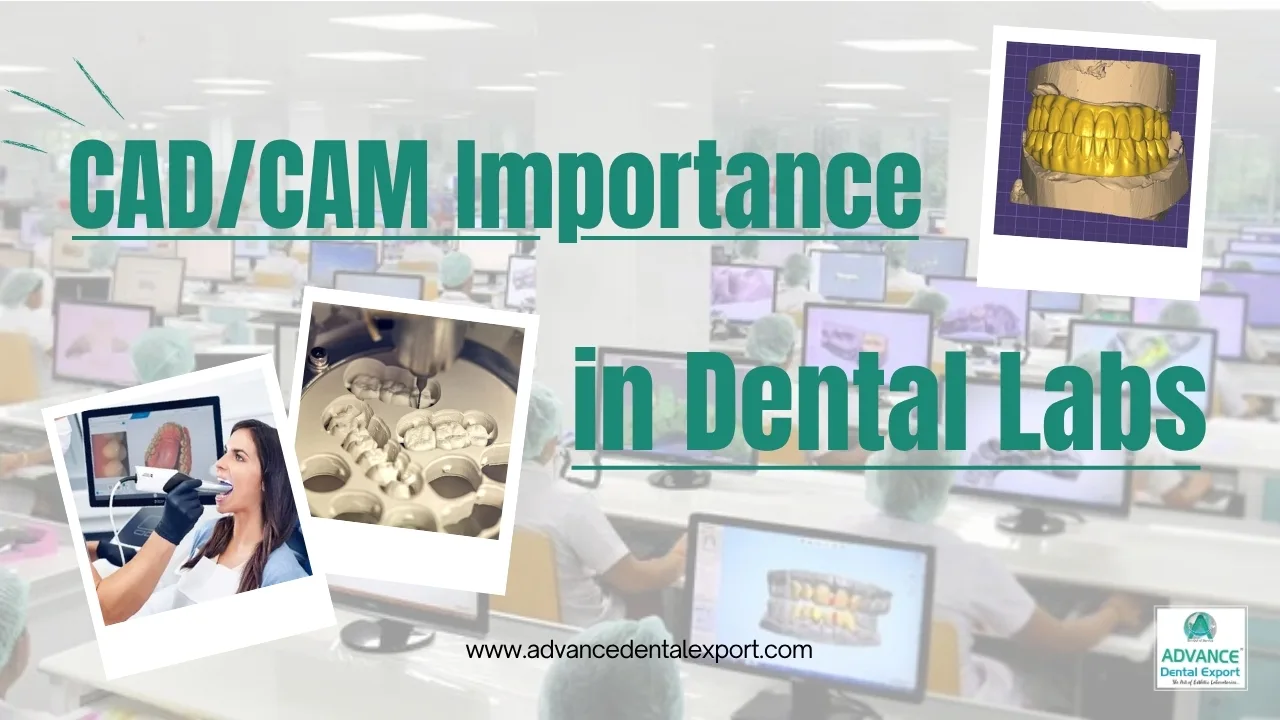
Traditional dental laboratories have long relied on manual methods to create dental restorations. This process typically involves taking physical impressions, creating plaster models, and handcrafting prosthetics—a time-consuming and meticulous approach.
The introduction of CAD/CAM technology has revolutionized these conventional practices. By integrating digital workflows, dental professionals can now achieve greater precision and efficiency in creating restorations. This transformation has paved the way for the emergence of in-house CAD CAM dental labs, enabling practices to produce high-quality prosthetics on-site and reduce turnaround times.
Let’s explore the importance of CAD/CAM technology in dental labs , examining its integration into workflows, the advantages of establishing in-house capabilities, considerations for implementation, and the promising future it holds for digital dentistry.
Importance of CAD/CAM in Dental Labs
The integration of Computer-Aided Design (CAD) and Computer-Aided Manufacturing (CAM) technology into dental laboratories has revolutionized traditional workflows, bringing about significant improvements in precision, efficiency, and overall patient satisfaction.
Streamlining Dental Lab Workflows
CAD/CAM systems facilitate a seamless digital workflow, beginning with digital impressions and extending to the final restoration. This integration allows for the efficient transfer of data between dental offices and laboratories, reducing the reliance on physical models and minimizing the potential for errors. The digital nature of CAD CAM dental lab enables quicker turnaround times, enhancing the overall patient experience. Additionally, the use of digital impressions eliminates the discomfort associated with traditional molding materials, leading to improved patient comfort and satisfaction.
Evolution and Adoption in Dental Practices
Since its introduction in the 1980s, CAD/CAM technology has undergone significant advancements, becoming a cornerstone in modern dental practices. Early systems were limited in functionality and accessibility; however, continuous improvements in digital dentistry have made these systems more user-friendly and cost-effective.
Today, CAD/CAM technology is widely adopted across dental laboratories and practices, enabling the creation of precise dental restorations such as crowns, bridges, and dentures. The widespread adoption of CAD/CAM technology has not only enhanced the quality of dental restorations but also streamlined the entire dental workflow, from diagnosis to treatment planning and execution.
Advantages of In-House CAD/CAM Dental Labs
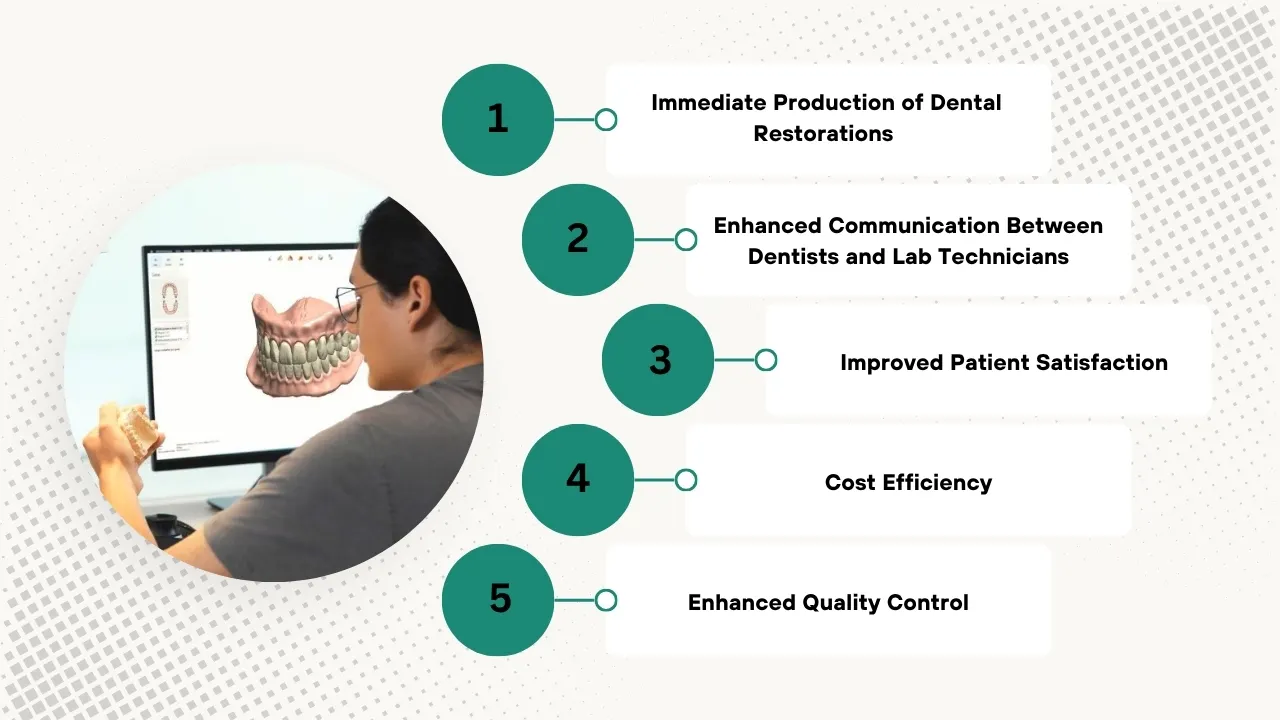
Integrating an in-house CAD/CAM dental lab into a dental practice offers numerous benefits that enhance both the quality of care and operational efficiency. Here are some key benefits of CAD/CAM technology in a dental lab:
1. Immediate Production of Dental Restorations
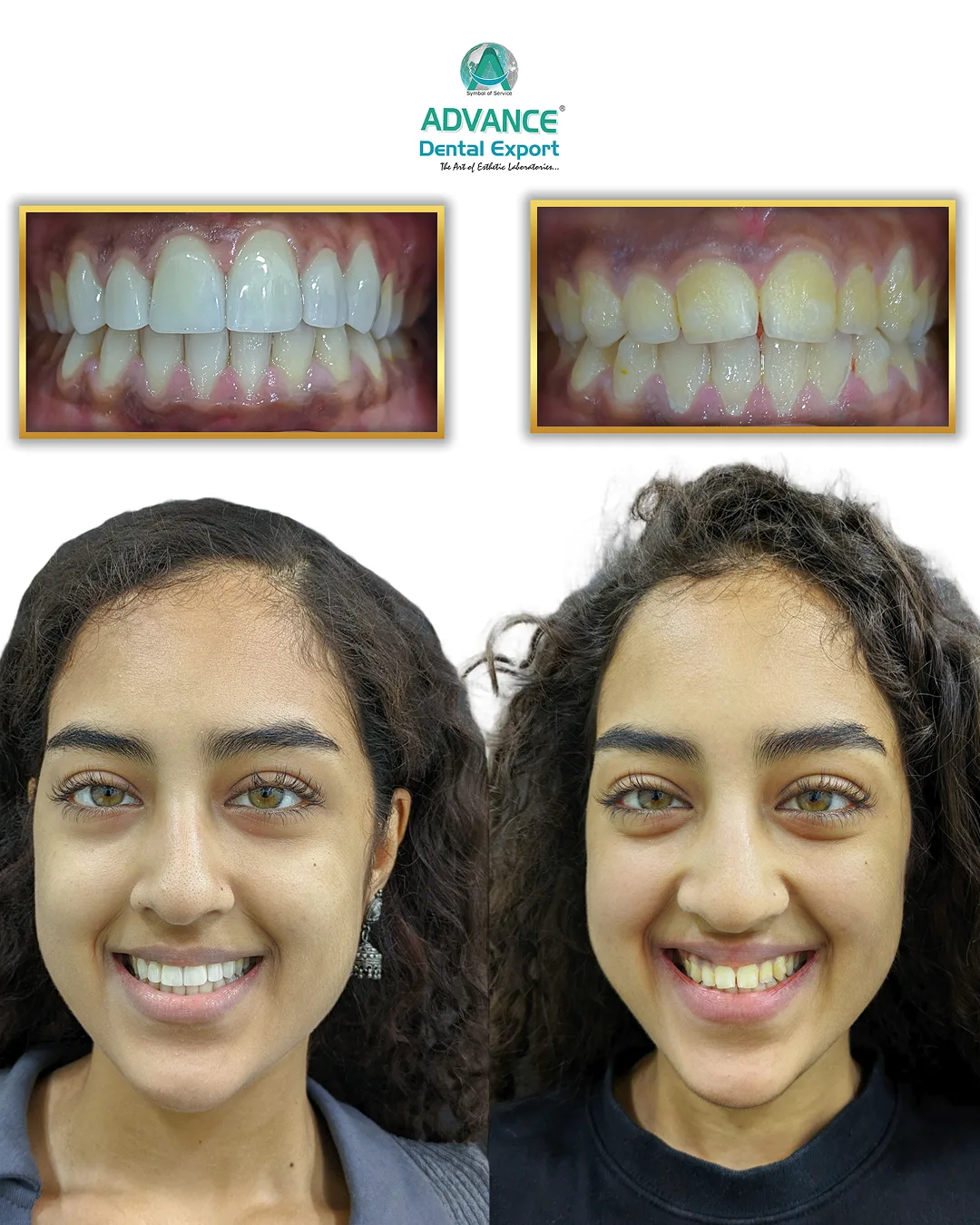
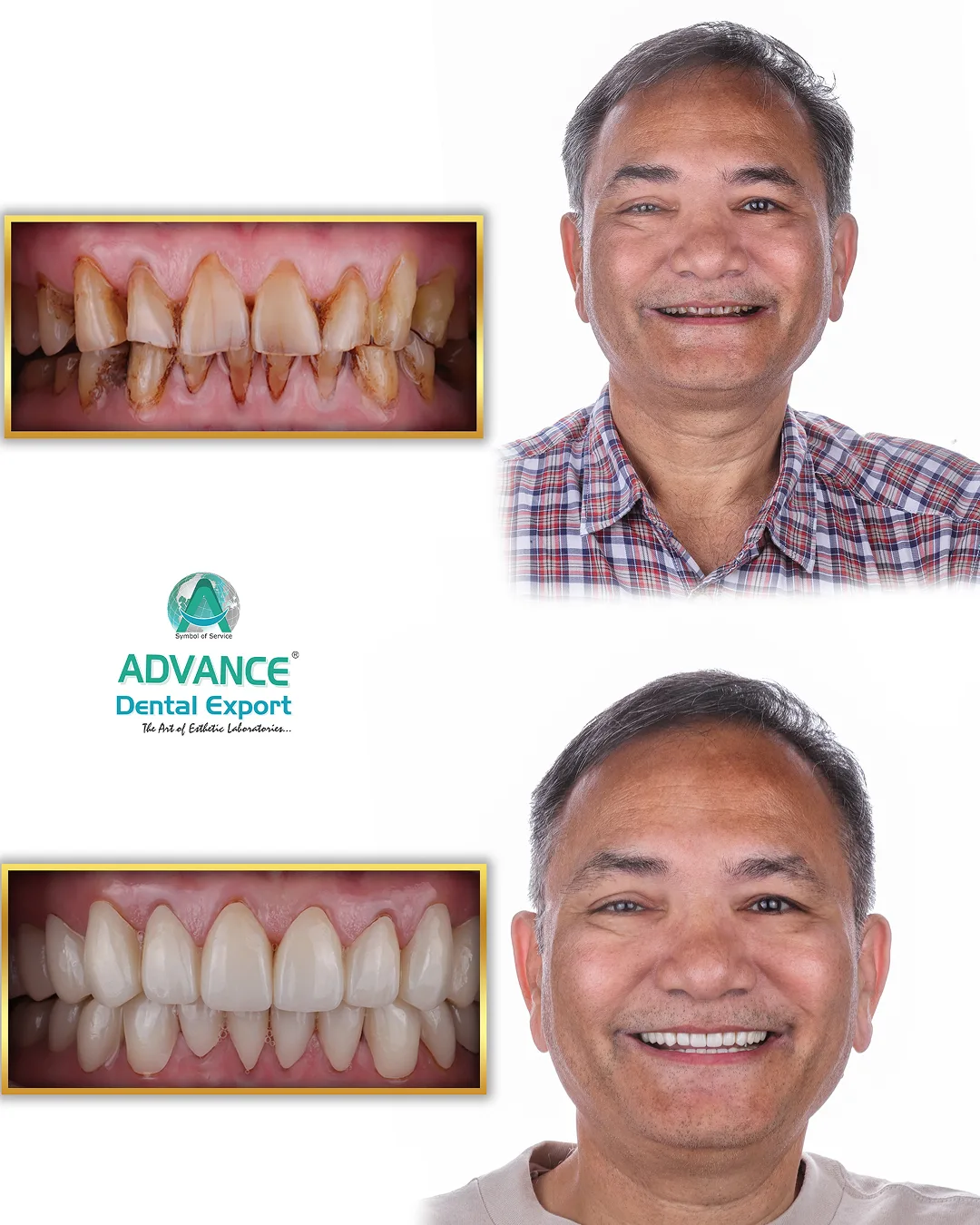
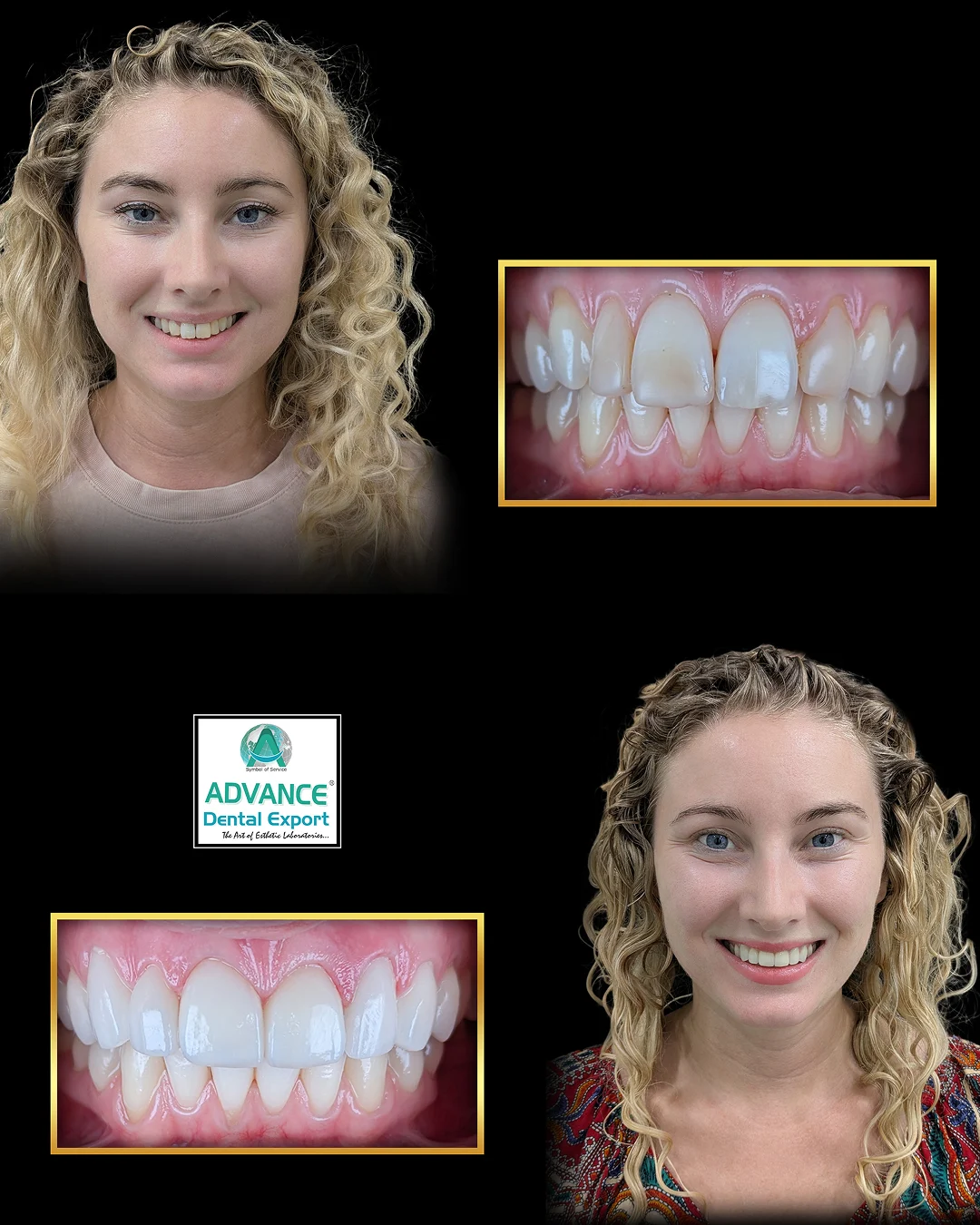
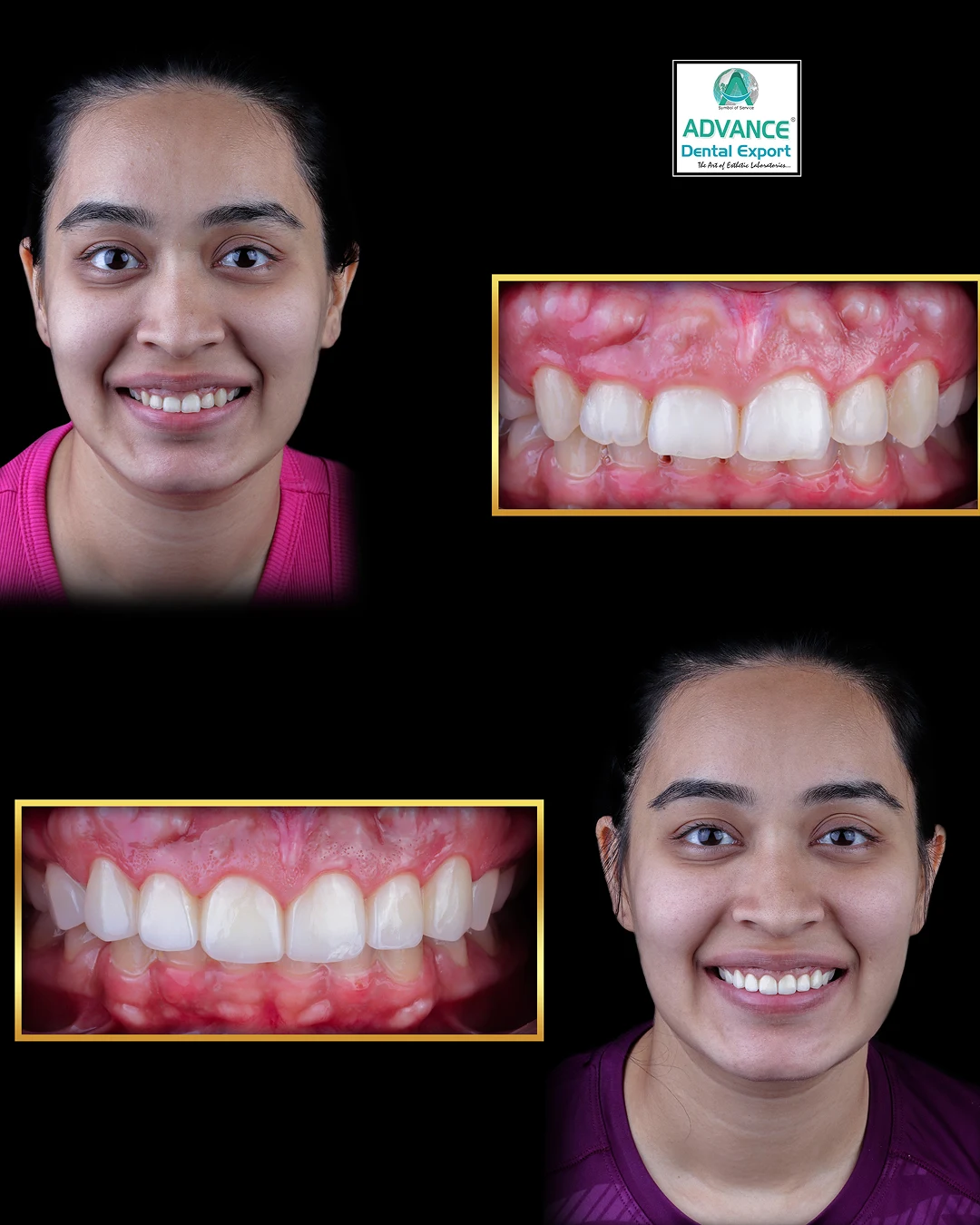
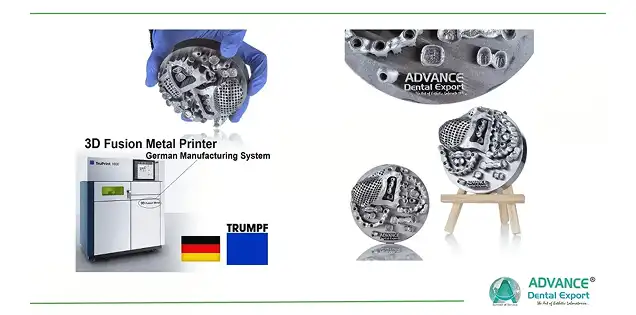
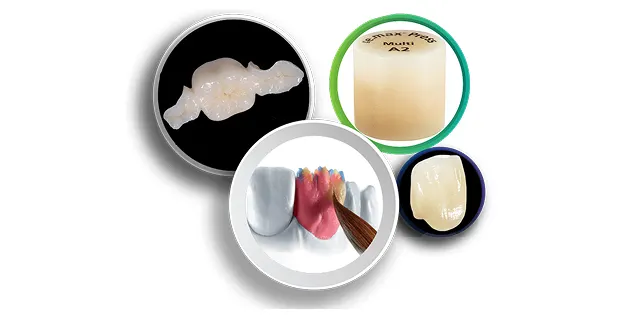
An in-house CAD/CAM system enables dental professionals to design and fabricate restorations such as crowns, bridges, and veneers on-site, significantly reducing the time between patient visits. This capability is particularly advantageous for patients requiring urgent dental work or those seeking expedited treatment for special occasions.


2. Enhanced Communication Between Dentists and Lab Technicians
Having a CAD/CAM system within the practice fosters direct communication between the dental team and lab technicians. This proximity allows for real-time adjustments and immediate feedback, ensuring that restorations meet the desired specifications and reducing the likelihood of errors.
3. Improved Patient Satisfaction
The ability to produce restorations in-house often leads to shorter wait times and fewer appointments, enhancing the overall patient experience. Additionally, patients can be more involved in the design process, selecting materials and shades that align with their preferences, leading to outcomes that better meet their expectations.
4. Cost Efficiency
While the initial investment in CAD/CAM technology can be substantial, over time, it can lead to cost savings by reducing the need for outsourcing lab work and minimizing material waste. Furthermore, the efficiency gains achieved through digital workflows can translate to increased productivity and profitability for the practice.
5. Enhanced Quality Control
With the entire restoration process under one roof, dental professionals have greater oversight and control over the quality of the final product. This centralized approach allows for meticulous attention to detail and the ability to make immediate adjustments, ensuring that each restoration meets the highest standards.
Considerations for CAD/CAM in a Dental Lab Setup
Establishing an in-house CAD CAM dental lab involves careful planning and investment. While the benefits are substantial, it's essential to consider various factors to ensure a successful implementation.
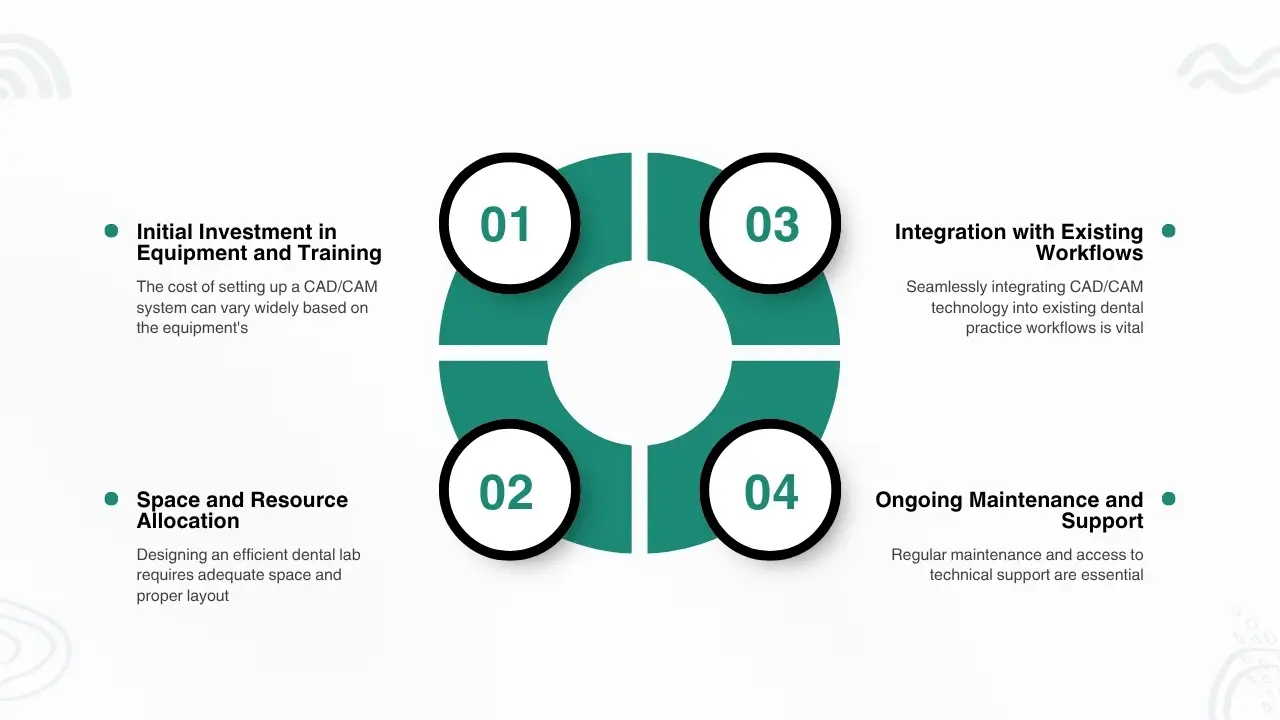
1. Initial Investment in Equipment and Training
The cost of setting up a CAD/CAM system can vary widely based on the equipment's capabilities and the scale of the operation. For a basic setup, including 3D printing , CAD software, and post-processing tools, entrepreneurs typically budget between $50,000 and $100,000.
Additionally, investing in training for dental professionals and technicians is crucial to maximize the system's potential and ensure high-quality outcomes.
2. Space and Resource Allocation
Designing an efficient dental lab requires adequate space and proper layout. Recommendations suggest that a dental lab should range from 60 to 120 square feet, depending on the size of the practice and the number of operatory units.
Key considerations include:
- Adequate Lighting: Essential for detailed work and to reduce eye strain.
- Proper Ventilation: Ensures a safe and comfortable environment for technicians.
- Sufficient Storage: Necessary to keep materials and equipment organized and easily accessible.
- Dedicated Workstations: Designated areas for scanning, designing, milling, and finishing to streamline workflows.
3. Integration with Existing Workflows
Seamlessly integrating CAD/CAM technology into existing dental practice workflows is vital. This includes:
- Data Management: Ensuring compatibility between digital impressions and CAD software.
- Communication: Facilitating real-time collaboration between dental professionals and lab technicians.
- Quality Control: Implementing protocols to maintain high standards in digital restorations.
4. Ongoing Maintenance and Support
Regular maintenance and access to technical support are essential to minimize downtime and ensure the longevity of CAD/CAM equipment. Establishing service agreements and training staff for basic troubleshooting can be beneficial.
Bright Future of CAD/CAM in Dentistry
The landscape of dental laboratories is undergoing a profound transformation, driven by the continuous evolution of CAD/CAM technology. As digital workflows become increasingly integral to dental practices, the future promises even more advanced, efficient, and patient-centric solutions.
Looking for a trusted lab partner? Get high-precision restorations from Advance Dental Export
Emerging Technologies in Digital Dentistry
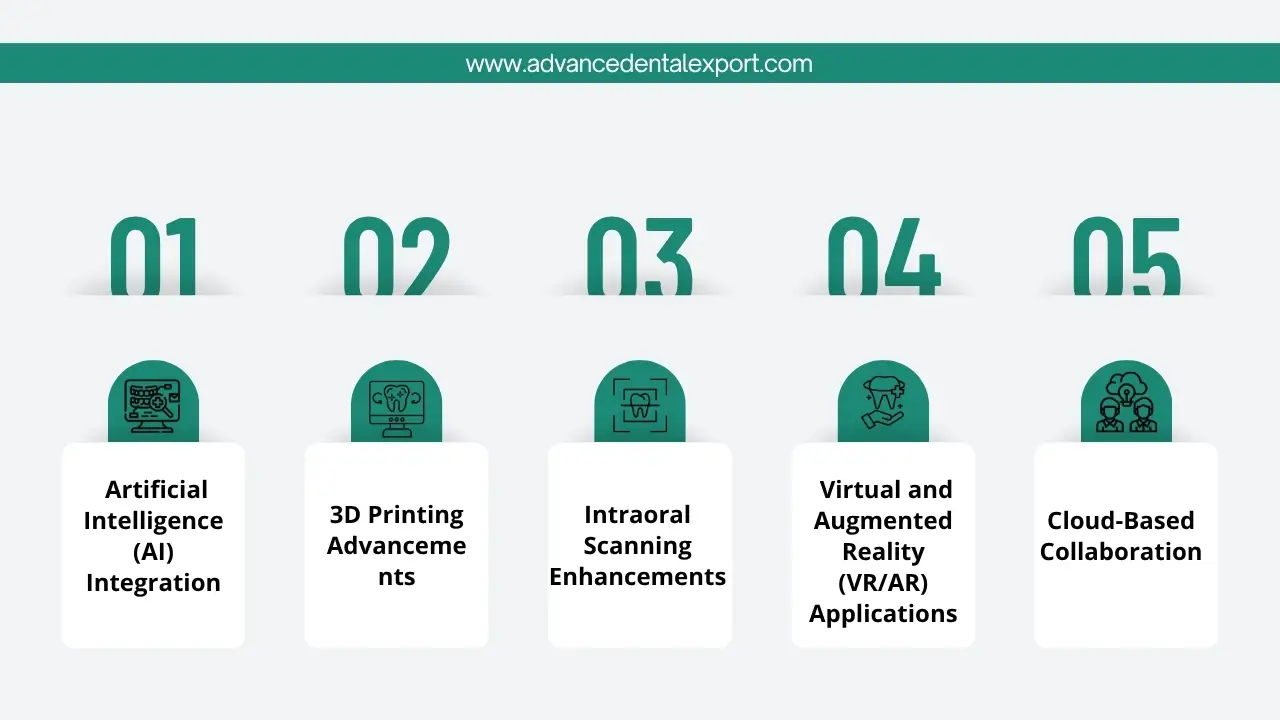
1. Artificial Intelligence (AI) Integration
AI is poised to revolutionize CAD/CAM systems by enhancing design accuracy and automating complex tasks. Machine learning algorithms can analyze vast datasets to predict optimal restoration designs, improving both functionality and aesthetics. This integration not only streamlines the design process but also reduces human error, leading to higher-quality outcomes.
2. 3D Printing Advancements
While 3D printing has already made significant strides in dental labs, future developments aim to improve material properties and printing speeds. Innovations in biocompatible dental materials and faster printing technologies will enable the production of more durable and customized dental restorations, further enhancing patient satisfaction.
3. Intraoral Scanning Enhancements
Advancements in intraoral scanning technology are making digital impressions more accurate and comfortable for patients. Newer scanners offer improved resolution and faster data capture, reducing chair time and enhancing the overall patient experience. These enhancements contribute to more precise restorations and better-fitting prosthetics.
4. Virtual and Augmented Reality (VR/AR) Applications
VR and AR technologies are being explored for training dental professionals and planning complex procedures. By simulating real-life scenarios, these technologies provide immersive learning experiences and assist in visualizing treatment outcomes before actual implementation, leading to more informed decision-making.
5. Cloud-Based Collaboration
Cloud computing facilitates seamless sharing of digital files between dental practices and laboratories, enabling real-time collaboration. This connectivity ensures that all stakeholders have access to the most up-to-date information, improving workflow efficiency and reducing the risk of miscommunication.
Predicted Trends in Dental Lab Operations
- Increased Adoption of In-House CAD/CAM Systems: More dental practices are expected to invest in in-house CAD/CAM systems, reducing dependency on external labs and offering quicker turnaround times for restorations.
- Customization and Personalization: As technology advances, the ability to create highly customized dental restorations tailored to individual patient needs will become more prevalent, enhancing patient satisfaction and treatment outcomes.
- Sustainability Initiatives: The dental industry is likely to focus on sustainable practices, such as reducing material waste and energy consumption, aligning with global environmental goals.
- Enhanced Patient Engagement: With improved digital tools, patients will have more involvement in the design process of their restorations, leading to outcomes that better meet their expectations.
Conclusion
The future of CAD/CAM in dentistry is bright, with continuous advancements promising to enhance the precision, efficiency, and personalization of dental restorations. As technology evolves, dental professionals must stay abreast of these developments to leverage the full potential of digital dentistry, ultimately leading to improved patient care and satisfaction.