Snapshot
- Treatment type: Removable, transparent orthodontic trays for teeth straightening
- Commonly known as: Clear aligners, invisible aligners, or transparent braces
- Ideal for: Mild to moderate teeth crowding, gaps, and bite correction
- Treatment duration: 6–18 months (depends on case severity)
- Key benefits: Nearly invisible, removable, comfortable, and easier to maintain oral hygiene
This guide explains what dental aligners are, how they work, their benefits, limitations, and how they compare with conventional braces.
What are Dental Aligners?
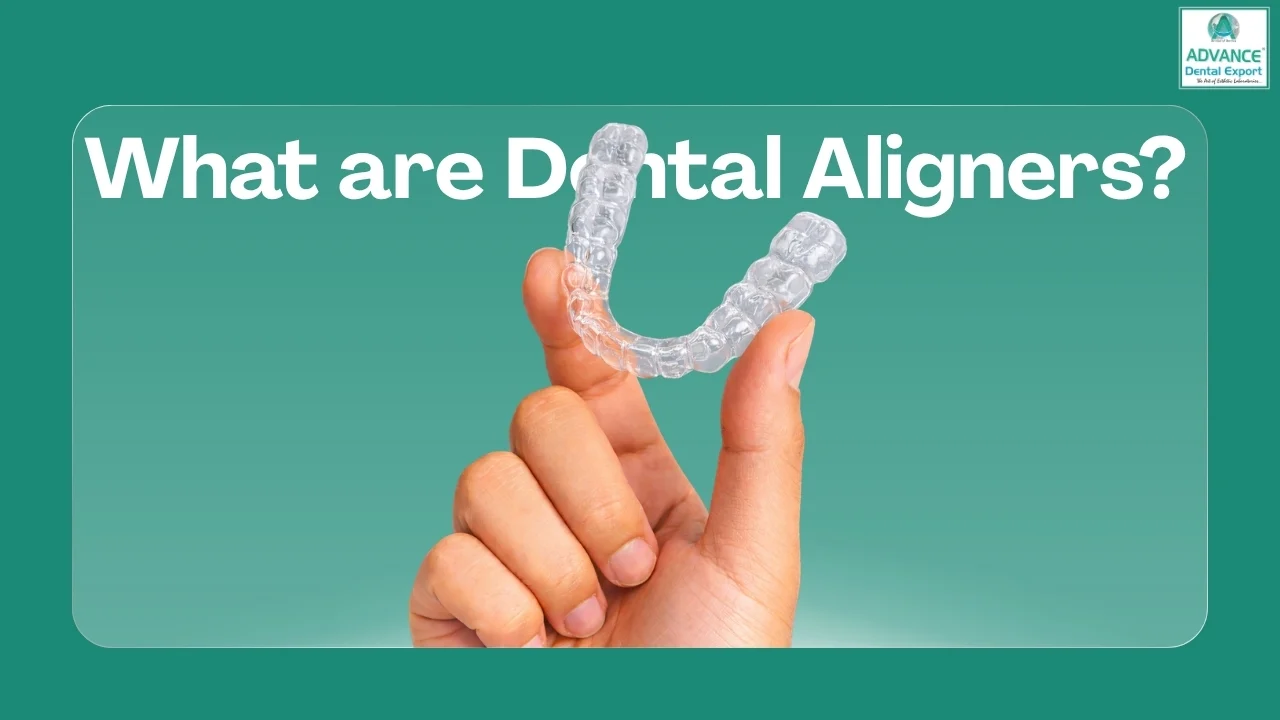
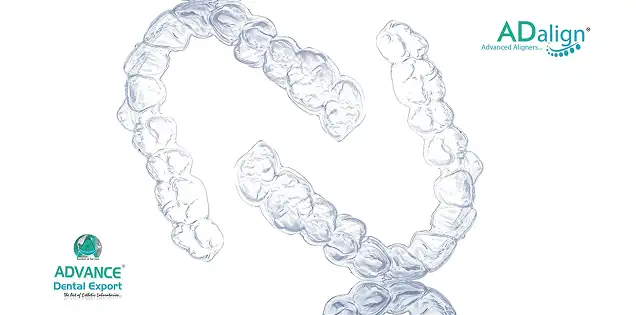
Dental aligners (often called clear aligners, or invisible aligners) are removable, custom-fitted orthodontic trays that gradually move teeth into alignment. Unlike metal braces, aligners are made from smooth, medical-grade, clear plastic and fit snugly over the teeth.
Aligners move teeth with gentle pressure. Each set is worn for 1–2 weeks, then switched to the next. These teeth aligners are nearly invisible and removable, so they allow patients to eat, brush, and floss normally, making them a popular aesthetic choice.
Who is a Good Candidate for Aligners?
Dental aligners work best for patients with mild to moderate issues, such as:
- Crooked or misaligned teeth
- Crowded or overlapping teeth
- Gaps between teeth (diastema)
- Overbite, underbite, or crossbite
- Mild open bite issues
They aren’t suitable for severe bite or jaw problems or severe misalignments, where braces or surgical orthodontics may be more effective.
How Dental Aligners Work?
Dental aligners straighten teeth similarly to braces but use modern digital dentistry . Here is an overview of dental aligner treatment:
- Initial Exam & Planning: The dentist examines the mouth, takes X-rays/photos, and discusses goals. Digital scans or impressions are taken of the teeth.
- Digital Setup: Using specialized software, the orthodontist maps the tooth movements in stages. The entire plan is reviewed by a professional before manufacturing.
- Aligner Fabrication: The trays are fabricated (often overseas or in a specialized lab) and shipped to the clinic. For clear braces, labs typically use medical-grade BPA-free plastic.
- Fitting and Instructions: At the first appointment, the dentist delivers the first set of aligners, checks the fit, and demonstrates how to wear and care for them (cleaning, handling). Most patients wear aligners for 20–22 hours a day and change to the next tray every 7–14 days.
- Monitoring: Follow-up visits are conducted every 4–8 weeks to assess progress. Your dentist may make minor adjustments if required.
- Completion & Retention: After treatment ends, patients enter the retention phase. Teeth have “muscle memory” to shift back, so rigid plastic or wire retainers are provided to wear nightly or as directed, locking in the result.


Benefits of Dental Aligners
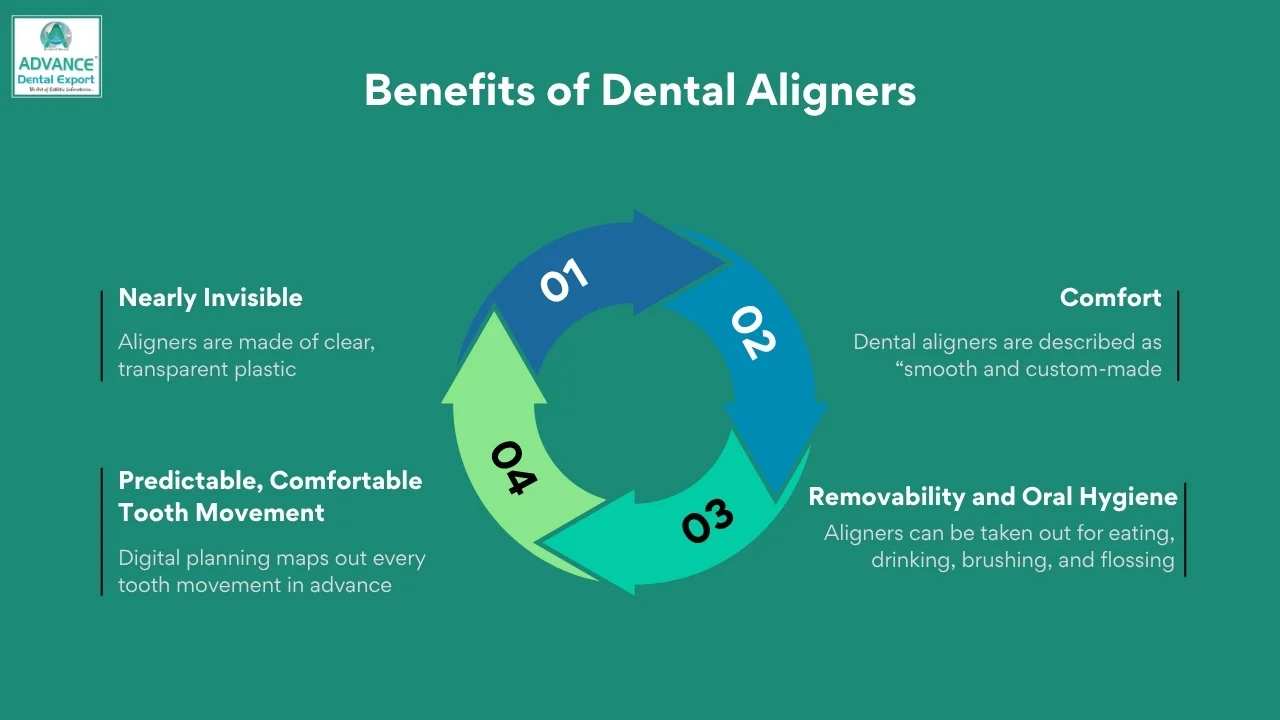
Aligner treatment offers several advantages over traditional braces, which explain why they’re increasingly chosen by patients and dentists alike:
- Nearly Invisible: Aligners are made of clear, transparent plastic that’s “far less noticeable” than metal braces. Many adults and image-conscious teens prefer this discreet look. In clinical terms, aligners are “virtually invisible,” providing a subtle smile correction without obvious hardware.
- Comfort: Dental aligners are described as “smooth and custom-made to fit, minimizing discomfort”. Patients typically feel only mild pressure initially when switching trays, rather than the constant abrasions of braces.
- Removability and Oral Hygiene: Aligners can be taken out for eating, drinking, brushing, and flossing. This means there are no food restrictions: sticky or hard foods that could break braces are not a problem. Importantly, patients can maintain excellent oral hygiene by brushing and flossing normally, since nothing is glued to the teeth.
- Predictable, Comfortable Tooth Movement: Digital planning maps out every tooth movement in advance, improving precision. Many providers and studies report that, for mild-to-moderate cases, aligners can complete treatment in a timeframe comparable to or sometimes faster than braces.
In short, dental aligners deliver “aesthetic appeal” without compromising comfort. They’re especially valued by patients who want orthodontic correction without the visible reminder of metal braces.
Cost of Dental Aligners in India
Aligner costs in India vary based on case complexity and location. Based on current orthodontic standards and clinical usage in India, a complete aligner treatment cost ranges from ₹50,000 to ₹3,00,000 (or more) . Factors affecting the aligners treatment price include:
- Case Complexity: Simple cases need fewer trays and cost less; complex bites or extraction cases require more aligners and refinements.
- Treatment Duration: Longer treatment requires more trays. Some plans are extended for gentle movement or part-time wear.
- Provider Expertise: Orthodontist-supervised treatments usually cost more than general dentists or remote models.
- Location: Metro city dentists or dental labs charge higher fees; smaller cities generally offer lower pricing.
Limitations of Clear Aligners
While aligners have many benefits, dentists should be aware of their limitations & disadvantages:
- Requires Strict Wear-Time Discipline: Clear aligners must be worn for 20–22 hours per day to achieve accurate results. Any inconsistency — such as forgetting to wear them after meals — can delay the treatment timeline or compromise the outcome.
- Not Ideal for All Orthodontic Cases: Aligners are effective for mild to moderate alignment issues. However, aligners are not recommended for very severe or specialized cases, like deep open bites, large jaw problems, and multiple impacted teeth. Severe cases usually need braces or sometimes surgery.
- Risk of Misplacement or Damage: Aligners can be misplaced or damaged if not stored in their case.
- Higher Cost Compared to Braces: Clear aligners tend to be more expensive than traditional braces due to advanced digital planning, 3D printing, and material technology used in the process.
Possible Side Effects & Risks
- Mild speech lisp for a few days
- Pressure or discomfort during tray changes
- Risk of attachments staining
- Aligner discoloration if not cleaned properly
Overall, aligners are convenient and discreet, but the right choice depends on the patient. Dentists should evaluate whether the patient will wear them faithfully and whether the case is suitable.
Clear Aligners vs. Traditional Metal Braces
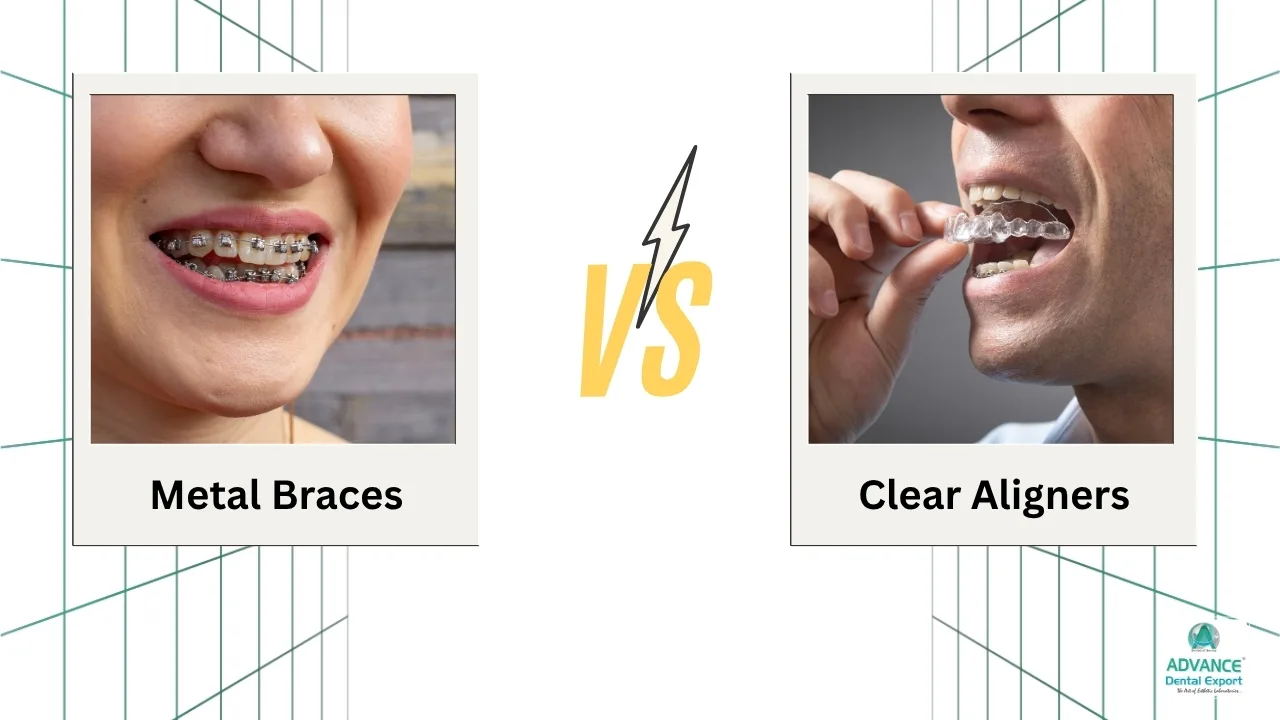
Both aligners and braces are effective, but they differ in comfort, visibility, and suitability. Aligners focus on aesthetics, comfort, and convenience, while metal braces excel in control, precision, and complex tooth movements.
Looking for a trusted lab partner? Get high-precision restorations from Advance Dental Export
Understanding how these two options compare helps dentists determine the most suitable and predictable orthodontic solution for their specific case.
|
Aspect |
Clear Aligners |
Metal Braces |
|
Visibility |
Nearly invisible |
Clearly visible |
|
Comfort |
Smooth, no wires |
May cause irritation |
|
Removability |
Fully removable |
Fixed until treatment ends |
|
Hygiene |
Easy to clean |
More difficult to brush/floss |
|
Treatment Time |
9–15 months (average) |
12–24 months (depends on case) |
|
Effectiveness |
Best for mild/moderate cases |
Suitable for all complexity levels |
|
Dental Visits |
Fewer, digitally monitored |
More frequent adjustments are required |
|
Price |
Premium, Rs 50,000 to Rs 3 Lac or more |
Lower than Clear aligners: Rs 18,000 to Rs 50,000 |
Both options have strong track records. In practice, many orthodontists now offer both braces and aligners, recommending the option that best matches the patient’s case and priorities.
Conclusion
Dental aligners offer a modern, comfortable, and discreet way to straighten teeth, making them a popular choice for both adults and teens in India. When used correctly and under professional supervision, they deliver predictable results with minimal lifestyle disruption.
The best approach is to consult a qualified dentist who can assess your bite, explain your options, and guide you toward the treatment that fits your goals, budget, and daily routine.
What orthodontic issues can clear dental aligners treat?
Aligners can correct most mild-to-moderate problems: crowding, spacing, mild overbite, underbite, crossbite, and open bite. They can also manage some rotated teeth or minor jaw shifts. Always evaluate each case; mild aesthetic corrections are ideal for aligners.
How long does dental aligner treatment take?
Treatment time depends on case complexity. Many cases finish in 9–15 months, though very simple tweaks might be done in 3–6 months, and complicated corrections up to 24 months.
How many hours per day do I need to wear aligners?
About 20–22 hours per day is standard. Aligners are most effective when worn nearly all the time.
Are aligners painful?
Most patients experience some mild discomfort when a new aligner is put in, due to the pressure on teeth. However, this soreness usually subsides within a day or two.
How to take care of dental clear aligners?
Rinse them regularly. Clean them with a soft-bristle toothbrush or recommended aligner cleaner – do not use toothpaste (which can scratch the plastic). Always store them in their case when not wearing them. Before reinserting, brush your teeth so no food is trapped. Avoid hot water or chewing gum with aligners in.