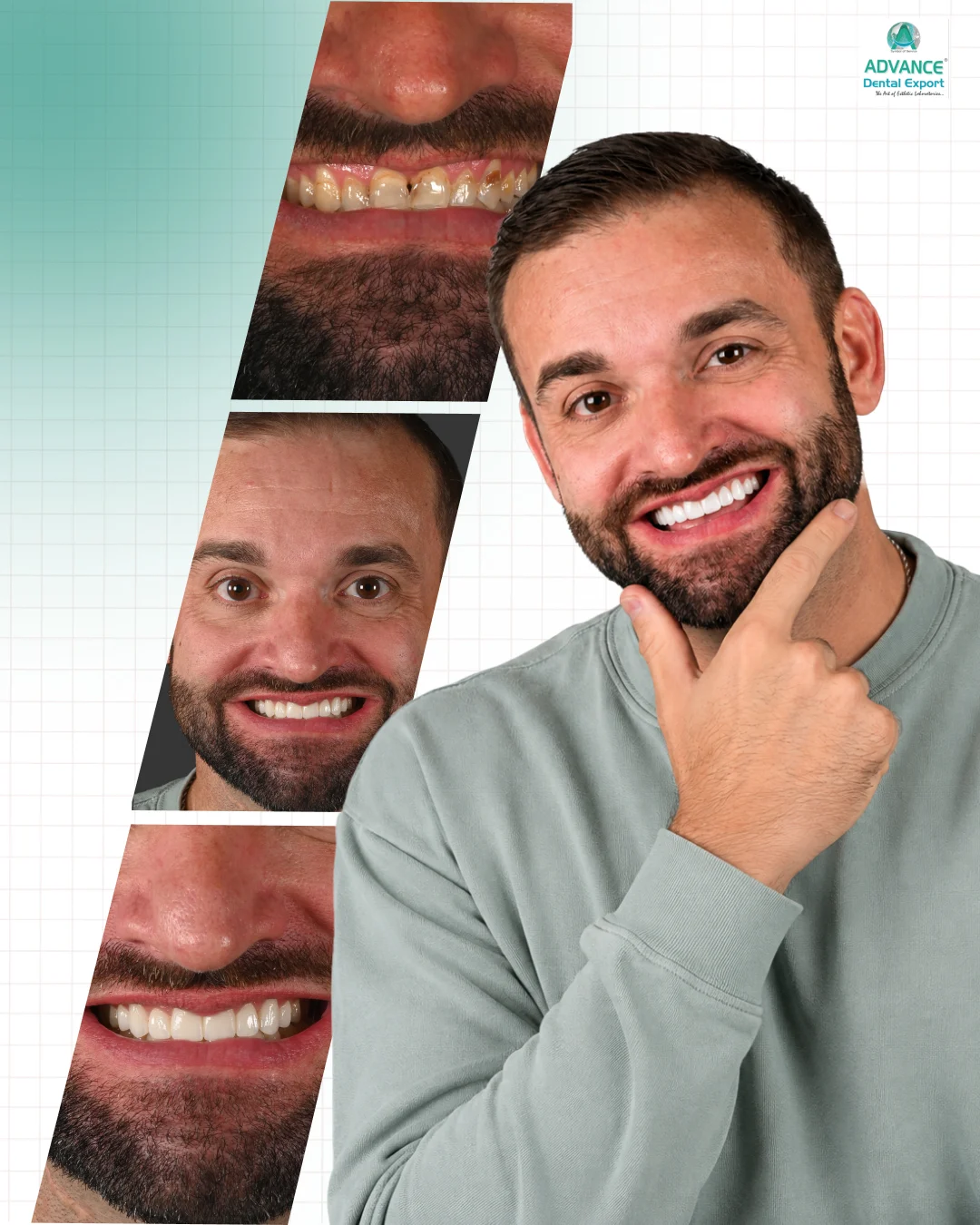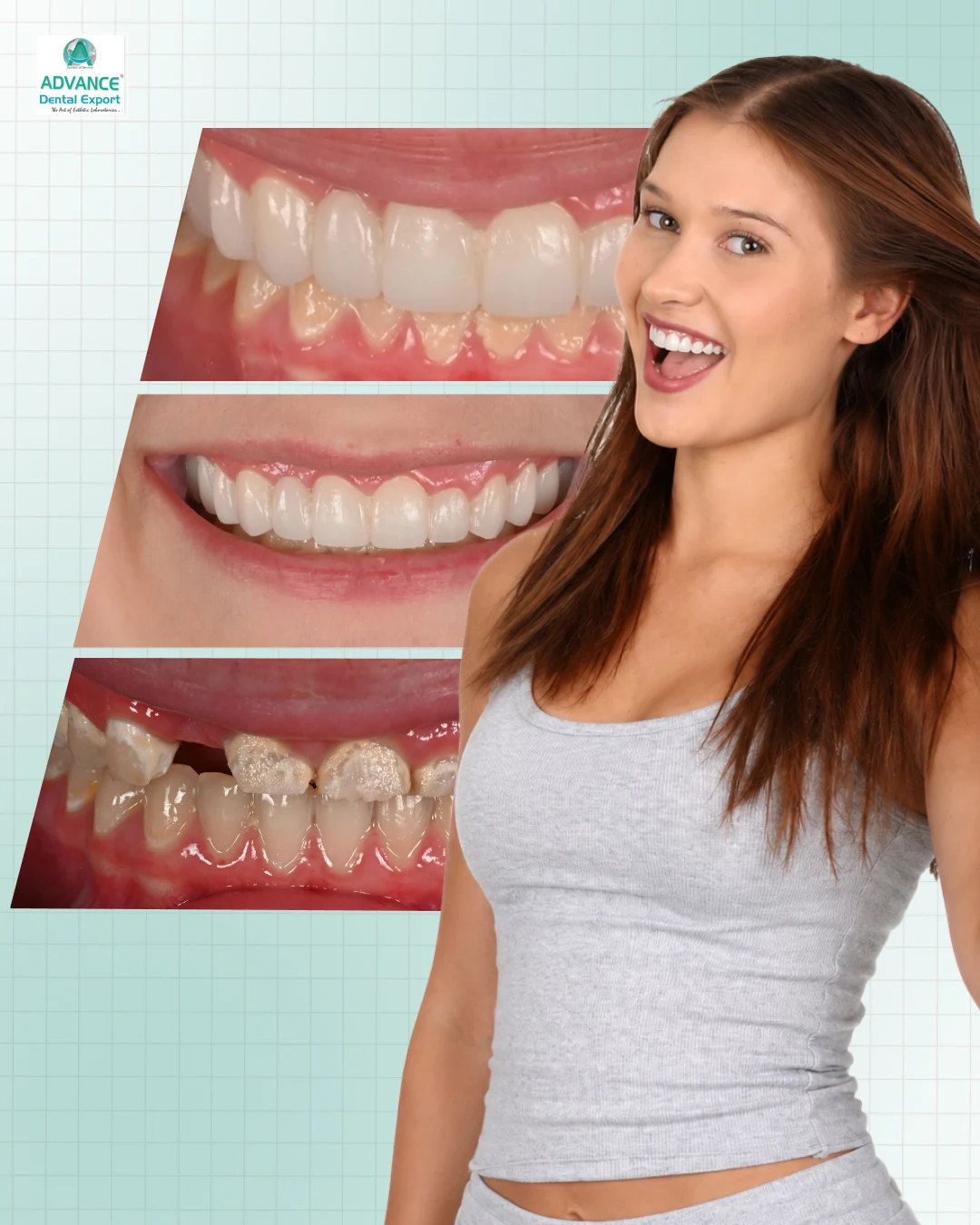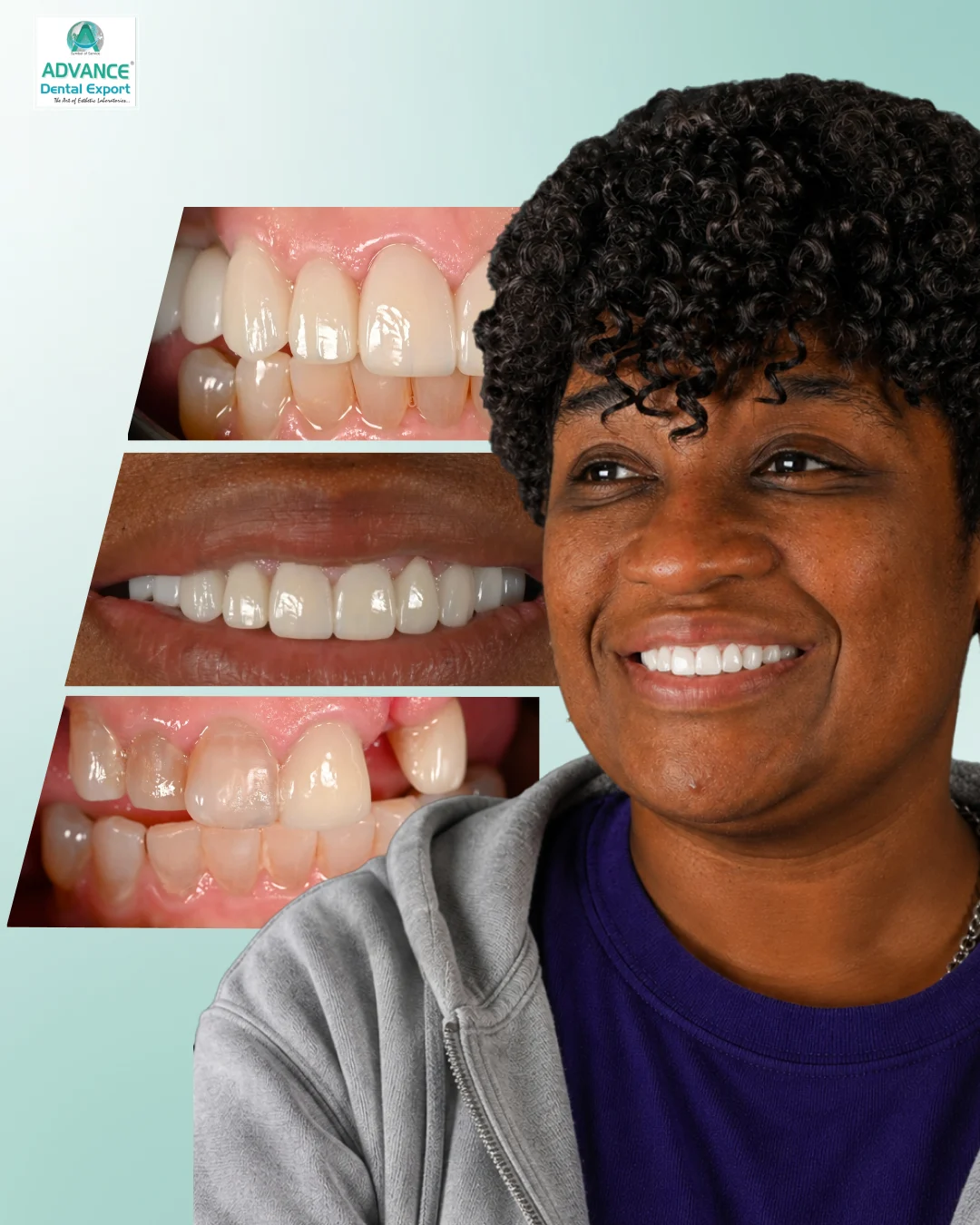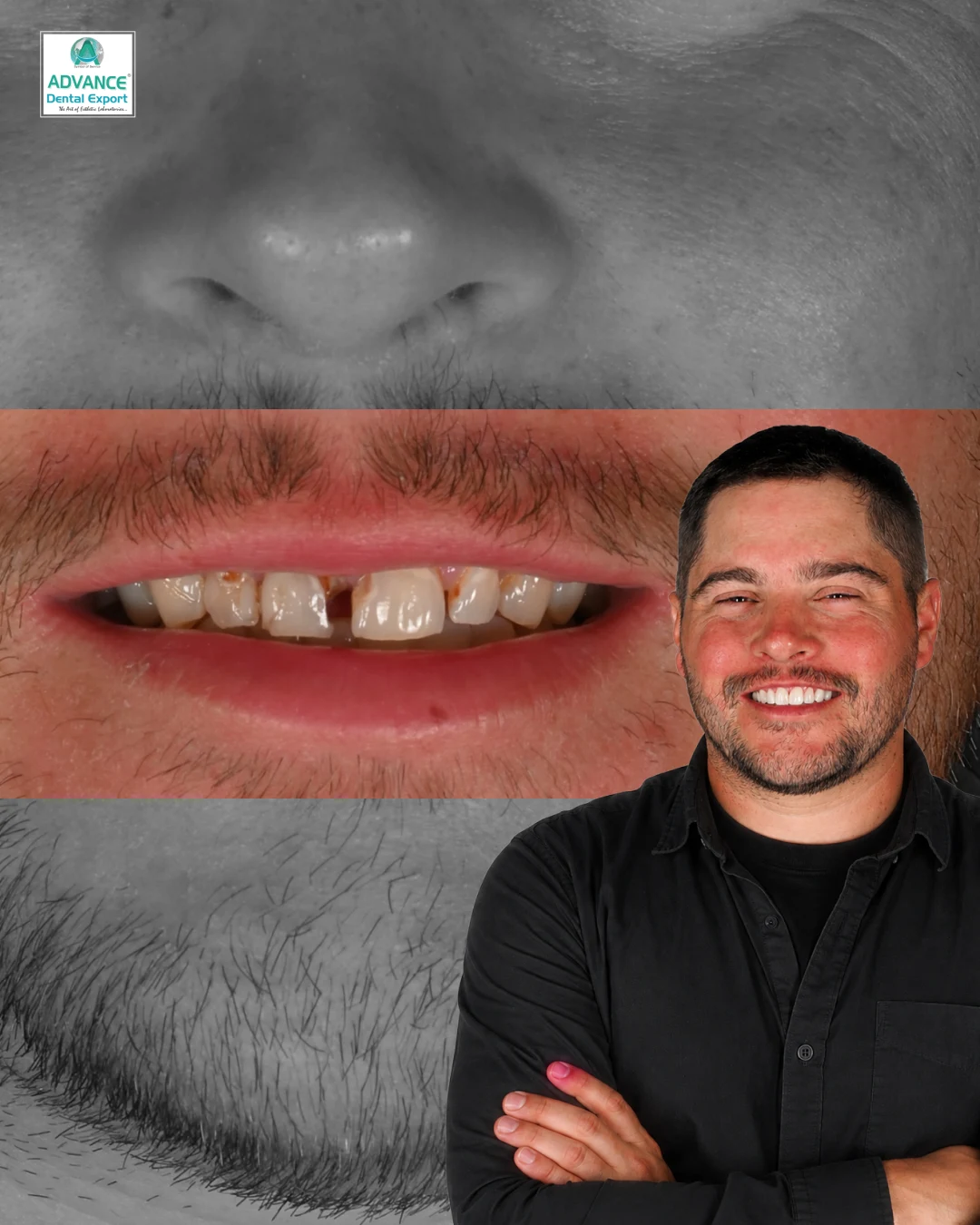
Snapshot
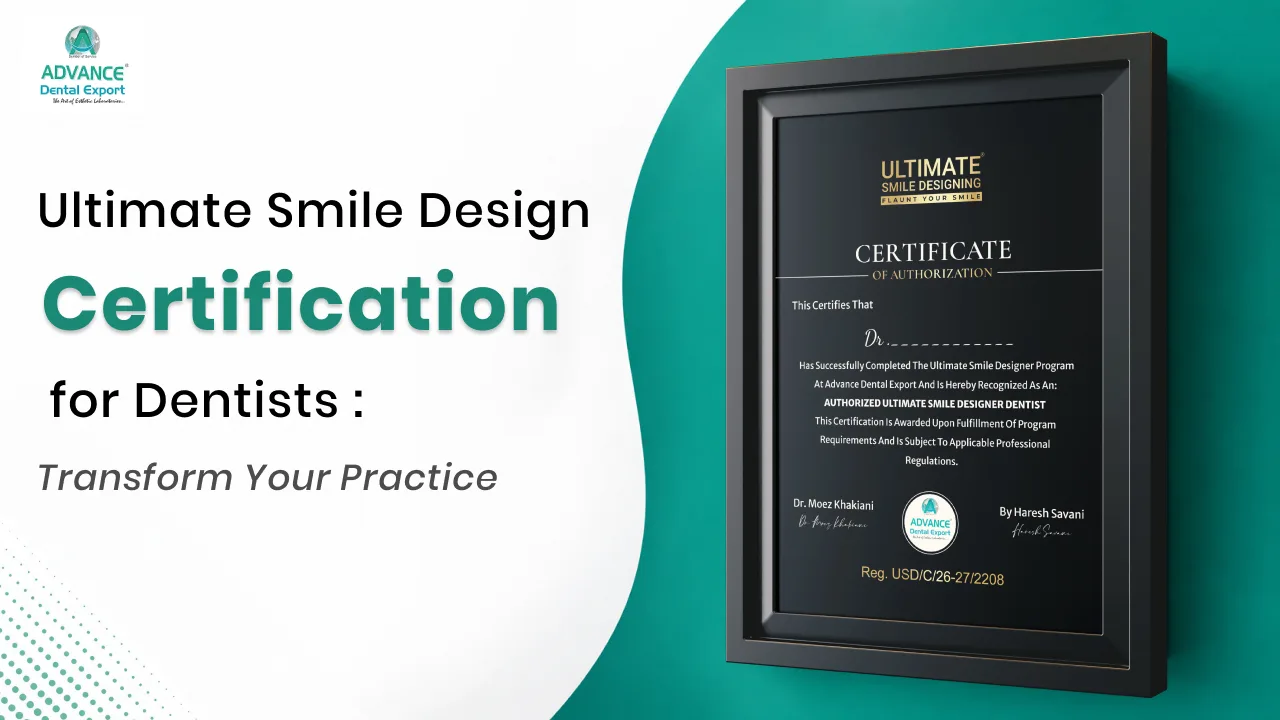
- USD Certification : Additional training in the Ultimate Smile Design methodology, with a focus on digital smile design, aesthetic treatment planning and CAD/CAM workflows.
- Normal vs. USD-Certified Dentist : Key differences in approach to complex cosmetic and smile makeover cases.
- Facially Driven Smile Design : Smile analysis incorporating teeth, lips, gingiva, facial proportions and aesthetic goals.
- CAD/CAM-Based Processes : Integrated digital records, smile design, tooth preparation, visualisation and lab fabrication.
- Practice Development : Structured case planning, improved patient communication and greater scope for aesthetic and smile makeover cases.
Synopsis
Planning complex aesthetic cases becomes challenging when multiple procedures, digital records, smile design, and restoration fabrication must be coordinated within one treatment workflow. Without a defined process, dentists may have to manage disconnected planning stages, repeated adjustments and communication gaps with the lab.
Ultimate Smile Design (USD) provides dentists with additional training in a structured methodology for digital smile design and CAD/CAM-based aesthetic case planning. The approach connects smile analysis, digital visualisation, tooth preparation, treatment sequencing, patient communication and lab coordination.
This guide explains what USD certification adds to your clinical approach, how the methodology helps you plan complex aesthetic cases, integrate digital smile design and CAD/CAM technology, improve patient communication and coordinate treatment with the lab.
What Is Ultimate Smile Design Certification for Dentists?
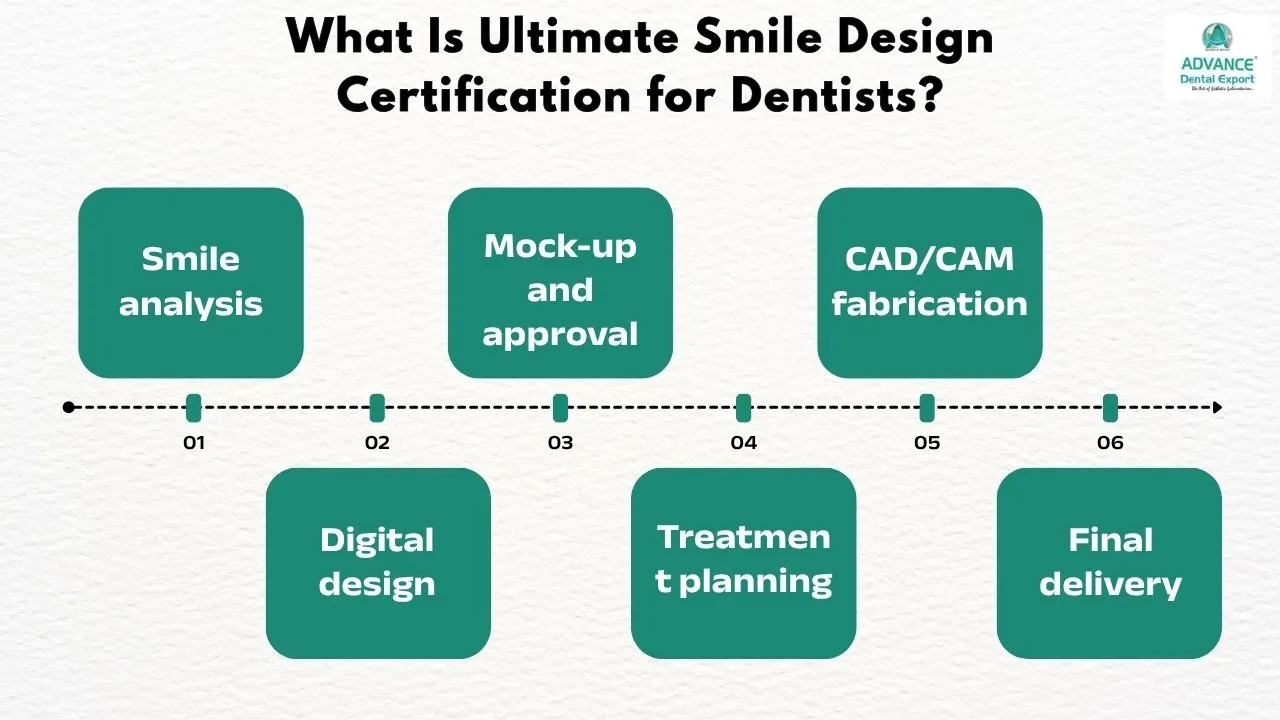
Ultimate Smile Design (USD) offers a course that teaches dentists its digitally driven methodology for planning and executing aesthetic dental cases. It focuses on designing the overall smile rather than treating individual teeth as isolated cosmetic units.
The methodology brings several stages of an aesthetic case into one structured workflow:
- Smile analysis: Assessing the patient's teeth, smile and facial characteristics.
- Digital design: Developing the proposed smile using digital tools.
- Mock-up and approval: Visualising the proposed design and incorporating patient feedback before definitive treatment.
- Treatment planning: Translating the approved design into appropriate clinical procedures.
- CAD/CAM fabrication: Using the digital treatment plan to guide restoration design and fabrication.
- Final delivery: Delivering the planned restorations and making clinically appropriate adjustments.
USD certification represents additional training in the Ultimate Smile Design methodology . It is not a replacement for a dental degree, postgraduate qualification or professional registration.
A dentist's primary qualification (BDS/MDS), clinical experience, and ability to diagnose and treat patients remain fundamental.
Normal Dentist vs. USD-Certified Dentist: What Changes With USD Training?
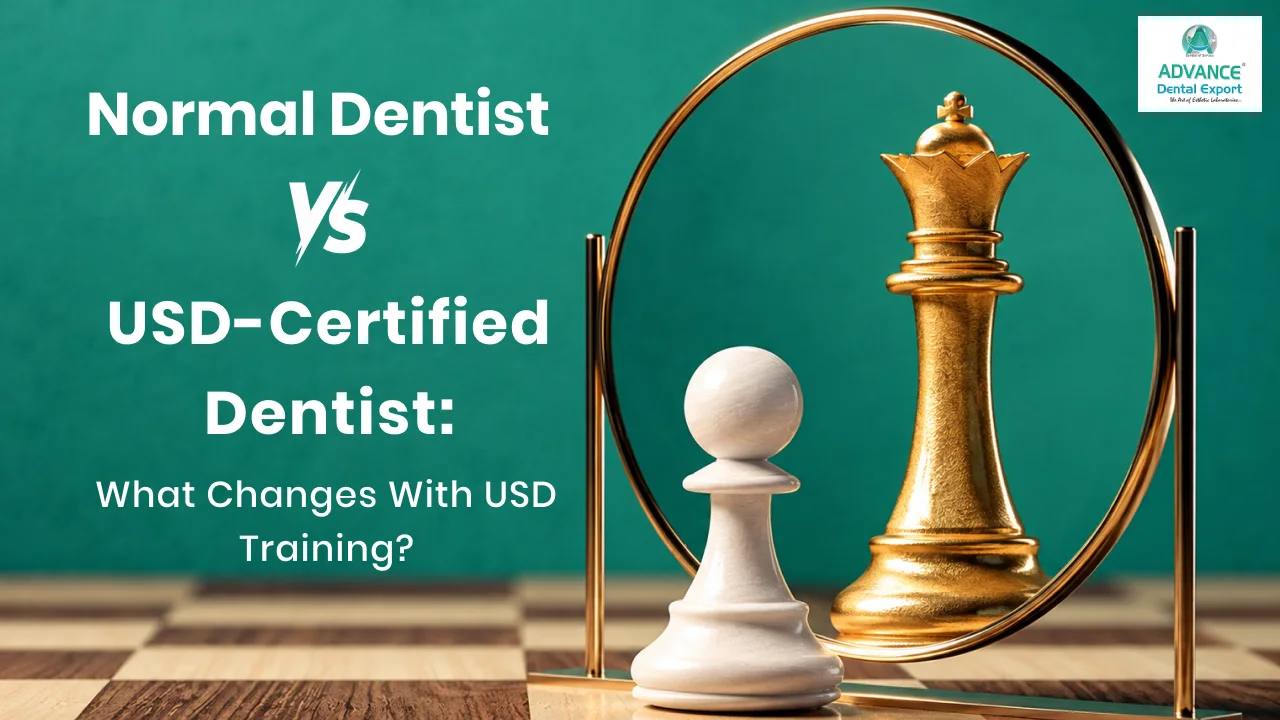
A general dentist and a USD-certified dentist can both provide cosmetic and restorative treatment. The difference exists in the additional USD-specific training and structured approach applied to aesthetic cases.

Two dentists can have similar clinical skills, materials and technology. USD training changes how a smile makeover gets planned: the methodology used to bring analysis, design and execution together into one coordinated process.
Clinical skills need continuous updating, and doing that in coordination with the lab pays off in practice. When planning and fabrication are aligned from the outset, there's less back-and-forth and fewer surprises at try-in.
Move From Procedure-Based to Smile-Driven Case Planning
Cosmetic treatment often begins with an individual concern such as tooth discolouration, spacing, chipped teeth or an isolated restoration.
USD training encourages dentists to first define the overall smile profile , then determine which procedures best achieve a smile makeover.
This approach equips dentists to:
- Evaluate the complete smile and correlate it with personality and facial features
- Coordinate multiple treatments within one plan
- Establish tooth shape and proportions early
- Consider aesthetic and functional requirements together
- Plan treatment sequencing so that different procedures complement each other within the overall smile design
Strengthen Facially Driven Smile Analysis
A smile's appearance depends on more than tooth shape and shade. The relationship between the teeth, lips, gingiva and facial features also influences the overall result.
USD training focuses on assessing factors such as:
- Facial features alongside the smile
- Overall smile harmony
- Treatment sequencing for multiple procedures
- Digital visualisation before treatment
- Tooth preparation and CAD/CAM requirements
- Patient goals within clinical limitations
Build a More Structured Digital Workflow
USD training brings digital records, smile analysis, design, visualisation, treatment planning and CAD/CAM fabrication into a coordinated framework.
Depending on the case, this may involve:
- Digital photographs
- Intraoral scans
- Facial analysis
- Digital smile design
- Smile simulation
- Digital treatment planning
- CAD/CAM restoration design
- Lab communication
A structured approach allows the proposed smile to be evaluated before definitive treatment and helps the clinical and lab teams work from the same treatment direction.
Plan Restorations With CAD/CAM Fabrication
In CAD/CAM dentistry, the restoration design must account for the limitations of the milling process. Tooth preparation and digital restoration design must therefore be considered together.
Important considerations include:
- Tooth preparation: Creating sufficient space for the planned restoration without unnecessary reduction.
- Preparation geometry: Avoiding sharp internal angles and narrow features that may be difficult to reproduce accurately during milling.
- Milling tool size: Ensuring planned features can be reproduced with the available milling bur diameters.
- Restoration thickness: Maintaining adequate material thickness while preserving appropriate tooth structure.
- Margins and seating: Ensuring the digital design can translate into a restoration with appropriate marginal adaptation and seating.
A study from the Journal of Dental Sciences highlights the importance of considering preparation proportions and milling bur dimensions because features smaller than the available bur can contribute to overmilling, material thinning and fabrication limitations.
Why Become a USD-Certified Dentist?
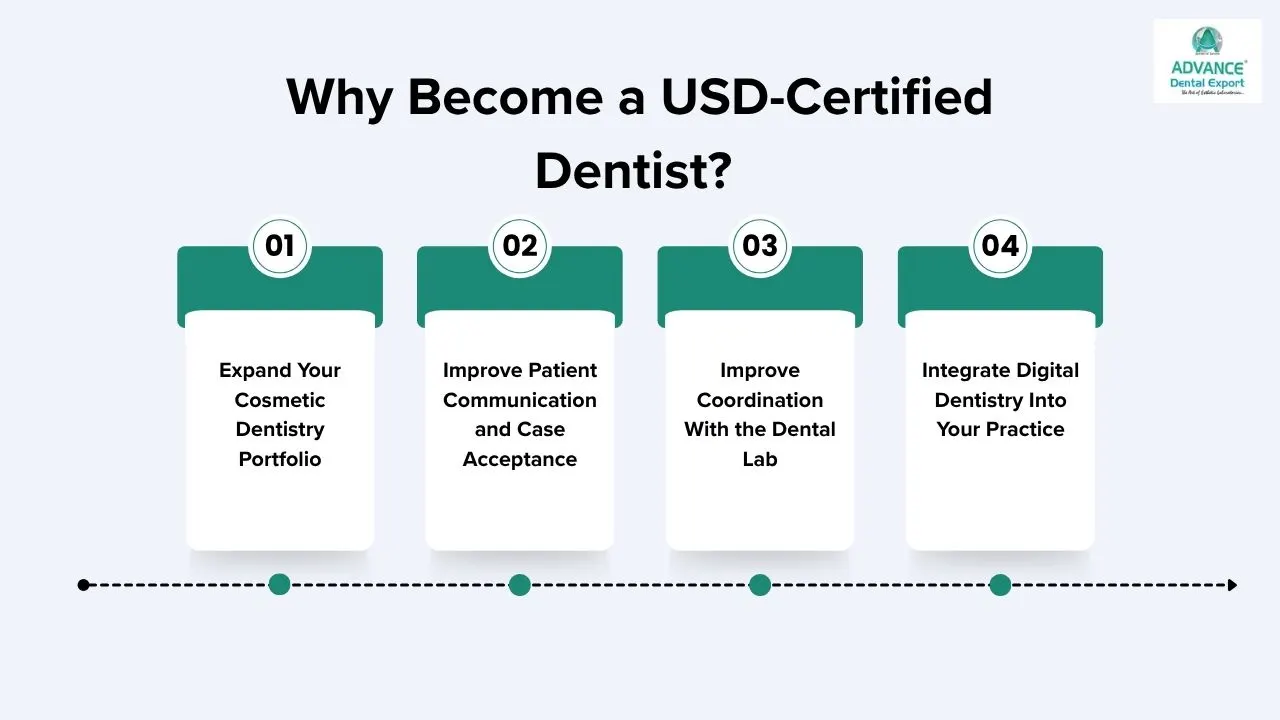
Expand Your Cosmetic Dentistry Portfolio
Complex smile makeovers require considering several aesthetic and functional variables together.
USD training provides a structured methodology for approaching cases through:
- Comprehensive smile analysis
- Digital smile planning and visualisation
- Treatment sequencing for multiple procedures
- CAD/CAM-based restoration planning
- Patient communication and case presentation
- Dentist-lab coordination
This framework can be applied to multi-tooth smile makeovers, veneers, anterior restorations and other complex cosmetic cases , giving dentists a more systematic approach to planning and presenting aesthetic treatments.
Improve Patient Communication and Case Acceptance
Patients may find it difficult to understand changes to tooth shape, proportions or smile aesthetics through verbal explanations alone.
Looking for a trusted lab partner? Get high-precision restorations from Advance Dental Export
Digital visualisation provides a more practical way to discuss the proposed treatment.
A USD methodology enables dentists to:
- Show the proposed aesthetic direction
- Explain what can realistically be changed
- Discuss tooth shape, proportions and smile relationships
- Review the proposed design before definitive treatment
- Incorporate patient feedback into the planning process
According to a clinical study from Cureus , digital smile simulation improved patient understanding, confidence, satisfaction and treatment acceptance during aesthetic consultations.
Improve Coordination With the Dental Lab
The final restoration must reflect the clinical plan and approved design as closely as possible.
A structured digital workflow supports dentist-lab communication, including:
- Digital scans
- Clinical photographs
- Approved smile design
- Planned tooth dimensions
- Shade information
- Preparation details
- Specific aesthetic requirements
When the digital design accounts for tooth preparation, restoration thickness, margins and milling limitations before fabrication, potential discrepancies can be identified earlier.
Integrate Digital Dentistry Into Your Practice
USD training allows dentists to develop a more systematic understanding of:
- Digital smile design
- CAD/CAM dentistry
- Digital treatment planning
- Digital records
- Smile simulation
- Digital dental workflows
- Lab communication
For dentists using digital scanners and CAD/CAM systems, the value lies in connecting these technologies from smile design through restoration fabrication.
A CAD/CAM-only approach reduces chairside adjustments and the need for remakes while improving consistency between the planned and fabricated restoration.
Smile preview tools such as Ultimate Smile AI can further support smile visualisation, giving dentists an additional way to present and discuss the proposed aesthetic procedures with patients before treatment.
What Does USD Certification Include?
USD certification represents completion of the Ultimate Smile Design course and certification through the programme.
The training focuses on areas relevant to digitally planned aesthetic dentistry, including:
- Ultimate Smile Design methodology
- Smile analysis
- Facial aesthetics
- Digital smile design
- Digital treatment planning
- CAD/CAM workflow
- Smile simulation and visualisation
- Mock-up and patient approval
- Treatment sequencing
- Patient communication
- Case planning
- Dentist-lab coordination
- Clinical application of the USD workflow
Ready to bring this structured approach into your own aesthetic cases? Fill out the form here .
Take Home Message
Digital smile design is most effective when smile analysis, treatment planning, tooth preparation, CAD/CAM fabrication and lab coordination follow the same treatment objective.
Ultimate Smile Design gives dentists a structured methodology for managing these elements, particularly in complex smile makeovers and aesthetic cases.
For dentists, USD certification adds a systematic approach to digital smile design, patient communication and CAD/CAM-based treatment planning that can be integrated into their existing clinical practice.