Modern dentistry offers fantastic solutions to restore smiles. One innovation gaining attention is the zirconia implants – a metal-free, ceramic implant that’s giving traditional titanium implants a run for their money.
Zirconia dental implants are particularly popular among dentists and patients who seek a natural-looking, biocompatible option for tooth replacement. Let’s dive in and see why these zirconia implants are making waves in the dental world.
What is a Zirconia Implant?
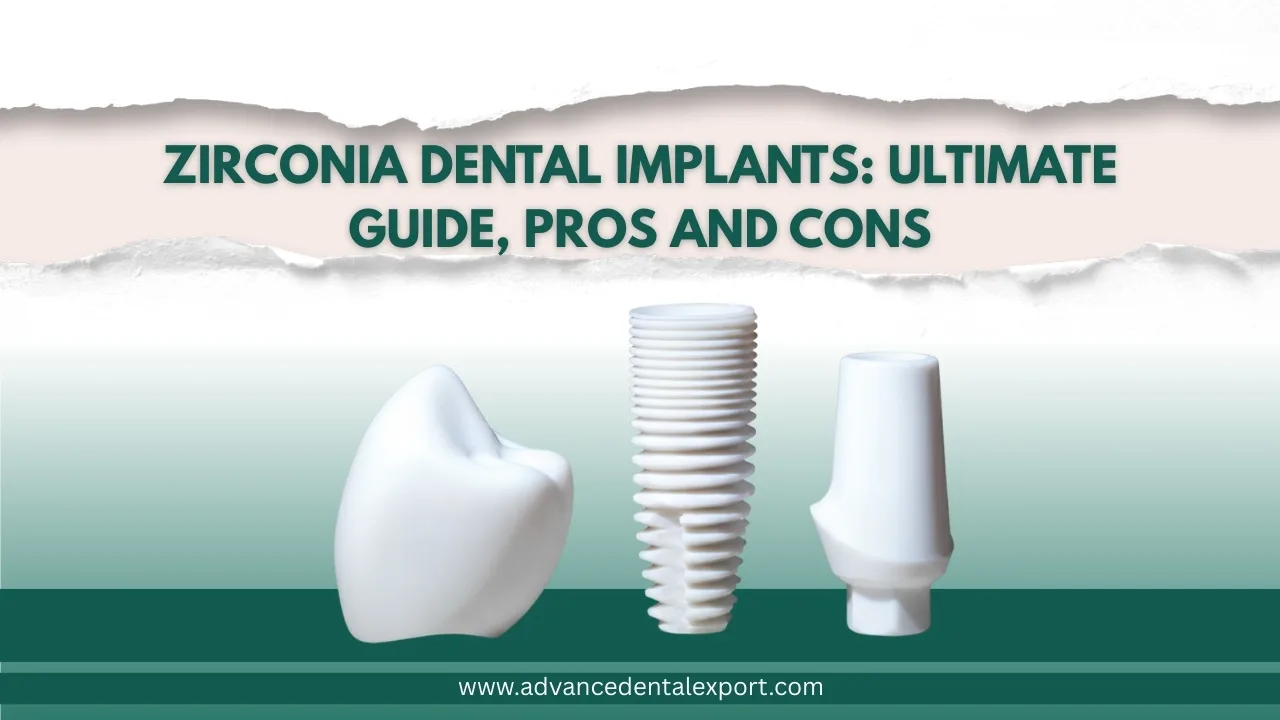
A zirconia dental implant is a type of implant fixture made from zirconium dioxide (ZrO2), a high-strength ceramic material.
In simple terms, zirconia implants are often called ceramic implants because they contain no metal, even though zirconium is a metal element; its dioxide form (zirconia) behaves like a ceramic. The result is a tooth-colored implant that can serve as an artificial tooth root, anchoring crowns, bridges, or dentures in the jawbone just like a conventional titanium implant.
In form, zirconia implants typically come as screws or cylindrical “roots” that are placed into the jawbone. Initially, most zirconia ceramic implants were one-piece designs – the implant and abutment were a single integrated unit.
In recent years, however, manufacturers have developed two-piece systems with separate abutments. These two-piece ceramics allow more flexibility, much like two-piece titanium systems.
Now, let’s look at the key features that distinguish dental implants made from zirconia and then dive into their pros and cons in clinical practice.
Key Features of Zirconia Implants
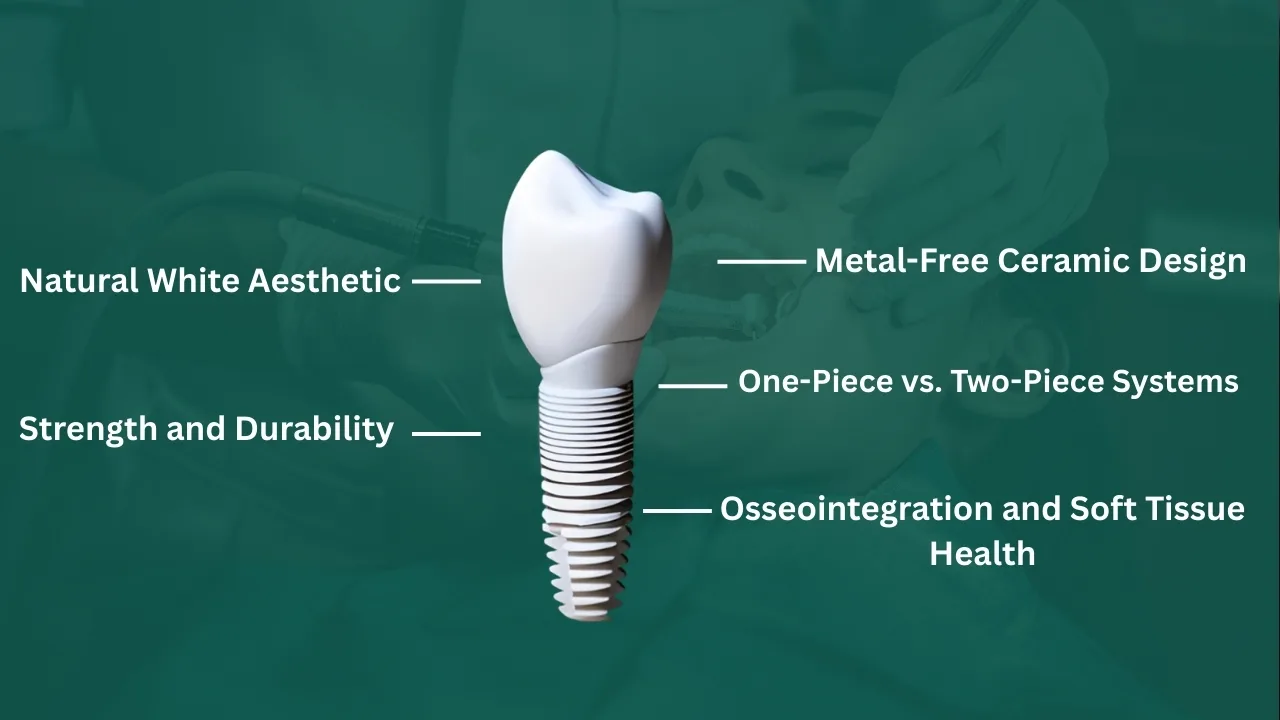
Zirconia implants have some unique features and design considerations that set them apart from conventional implants:
1. Metal-Free Ceramic Design
Zirconia is bioinert, meaning it doesn’t react with body tissues. This makes it safe, corrosion-proof, and long-lasting within the oral environment.
2. Natural White Aesthetic
Unlike titanium’s gray hue, zirconia’s tooth-colored surface ensures a natural look — especially beneficial for patients with thin gums or high smile lines where metal shadows may appear.
3. One-Piece vs. Two-Piece Systems
Zirconia ceramic implants are available in one-piece or two-piece designs:
- One-piece implants eliminate the implant-abutment micro-gap (reducing bacterial buildup) but require precise placement.
- Two-piece systems offer flexibility for angle correction and multi-unit bridges, though they have fewer long-term data compared to titanium systems.
4. Strength and Durability
Modern Y-TZP zirconia offers exceptional compressive and flexural strength, comparable to titanium. However, it’s less elastic, making smaller-diameter implants more prone to fracture. Manufacturers have improved toughness through advanced processing and surface treatments, but grinding or adjusting zirconia posts post-placement should be avoided to prevent micro-cracks.
5. Osseointegration and Soft Tissue Health
Zirconia implants achieve strong bone integration, similar to titanium, aided by textured or sandblasted surfaces. Their smooth ceramic surface attracts less plaque and bacteria, promoting healthier gums and reducing peri-implant inflammation.
In summary, zirconium implants stand out for their aesthetic color, biocompatibility, plaque resistance, and corrosion-free performance. With both one-piece and two-piece options available, they provide a strong, natural, and allergy-safe alternative to traditional titanium implants.
Benefits of Zirconia Implants
Zirconia ceramic implants have gained attention as a strong, aesthetic, and biocompatible alternative to traditional titanium implants. Here are the main advantages:
1. 100% Metal-Free and Biocompatible:
Zirconia is a non-metal ceramic that’s completely hypoallergenic. It doesn’t release metal ions, corrode, or trigger immune reactions — making it ideal for patients with metal sensitivities or those preferring holistic, metal-free dentistry. It integrates smoothly with both bone and gum tissue, promoting healthy attachment and reducing the risk of inflammation.
2. Natural Tooth-Like Aesthetics:
Because zirconia is white, it blends naturally with the surrounding teeth and gums. Unlike titanium, it won’t create a gray line near the gum if recession occurs. This makes zirconia a preferred choice for front-tooth implants or patients with thin gingiva, where appearance matters most.


3. Reduced Plaque and Healthier Gums:
Zirconia’s ultra-smooth surface discourages plaque and bacterial buildup. This helps keep the surrounding gum tissue healthier and reduces the risk of peri-implantitis. Many zirconia systems are one-piece designs, eliminating micro-gaps where bacteria usually accumulate.
4. Strong Bone Integration (Osseointegration):
Modern zirconia implants bond with the jawbone as effectively as titanium. Clinical studies show comparable success rates , often in the mid-90% range. Properly placed implants offer reliable stability and can support crowns or bridges for years.
5. High Strength and Durability:
Zirconia is sometimes called “ceramic steel” because of its exceptional strength and resistance to wear. It withstands normal bite forces and doesn’t corrode or conduct heat or electricity — ensuring long-term stability and comfort.
Zirconia dental implants combine aesthetics, strength, and biological compatibility. They are corrosion-resistant, gum-friendly, and ideal for patients seeking a natural-looking, metal-free option.
However, they’re not perfect — next, we’ll explore the drawbacks and limitations every dentist and patient should know before choosing zirconia.
Drawbacks of Zirconia Dental Implants (Cons)
No implant material is perfect, and zirconia comes with its share of challenges and limitations. Dental professionals should weigh these drawbacks when considering zirconia implants:
- Limited Long-Term Data: Used widely only in the past decade; lacks 20–30-year studies compared to titanium.
- Material Aging (Degradation): May develop micro-cracks over the years in moist conditions.
- Fracture Risk: Though strong, zirconia is brittle and can crack under heavy bite or bruxism; not repairable once fractured.
- One-Piece Design Limits: Less flexibility — no angle correction or submerged healing; requires precise placement.
- No Post-Placement Adjustments: Grinding or reshaping weakens the implant; minimal room for corrections.
Zirconium implants are metal-free and aesthetic but less forgiving, costlier, and not yet proven for very long-term performance. Best suited for simple, low-stress, aesthetic cases.
Zirconia vs Titanium Implants: A Comparison
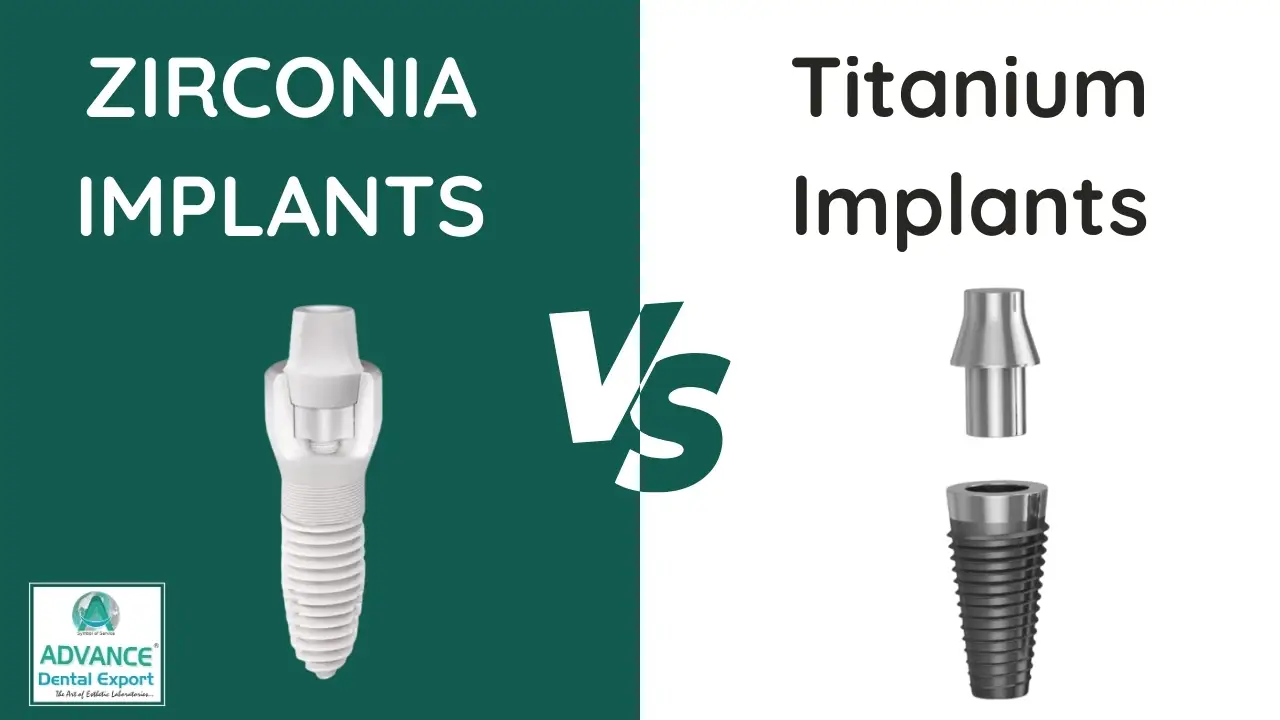
It’s common to ask: “Are zirconia implants better than titanium implants?” The truthful answer is “It depends.” Each material has its advantages and ideal uses. Here’s a side-by-side comparison of key factors:
|
Factor |
Zirconia Dental Implants |
Titanium Dental Implants |
|
Material |
Ceramic, metal-free, tooth-colored |
Metal alloy, silver-grey in colour |
|
Aesthetics |
White blends naturally with gums and prevents dark gum lines |
May cause a greyish tint under thin or receding gums |
|
Biocompatibility |
Hypoallergenic, ideal for patients with metal allergies or sensitivities |
Highly biocompatible but may trigger reactions in rare cases of metal sensitivity |
|
Plaque Affinity |
Low affinity for plaque buildup supports healthier gums |
Higher plaque retention compared to zirconia |
|
Strength & Durability |
Strong but more brittle; risk of fracture under heavy forces |
Very strong, flexible under stress, proven long-term durability |
|
Availability |
Limited availability; fewer dentists are trained in placement |
Widely available, most implant dentists are experienced in titanium placement |
|
Best Use Case |
Patients seeking metal-free, aesthetic implants, especially in front teeth |
Patients requiring maximum durability and a proven track record, especially for back teeth |
1. Track Record and Success Rates
Titanium has been the gold standard for over 50 years, with long-term success rates around 95%+ over 10 years. Zirconia is newer but shows comparable short to mid-term performance, averaging ~95% success over 3–5 years. While titanium still leads in long-term evidence, zirconia’s early results are highly promising.
2. Biocompatibility and Safety
Both materials are biocompatible and integrate well with bone. Titanium is excellent for osseointegration, while zirconia offers the advantage of being metal-free and completely inert, meaning no corrosion and no ion release. For patients with metal sensitivities or autoimmune conditions, zirconia is a safer choice.
3. Aesthetics
Zirconia wins in the aesthetic zone. Its white color blends seamlessly with gums and teeth, avoiding the gray hue sometimes visible with titanium through thin tissue. For front teeth or patients with high smile lines, zirconia ensures a more natural look.
4. Strength and Durability
Titanium is tough, flexible, and rarely fractures — ideal for complex or heavy-bite cases. Zirconia is extremely strong in compression but more rigid and prone to fracture under bending stress. Titanium also allows narrower implants for tight spaces, while zirconia typically requires a thicker design for safety. In short, titanium is more forgiving, while zirconia demands precision.
5. Design Flexibility
Titanium systems dominate in design versatility, with two-piece implants, angled abutments, and multi-unit connectors for full-arch restorations. Zirconia implants are mostly one-piece, which limits customization. Though two-piece zirconia systems exist, they still lack the component variety of titanium, making titanium the practical choice for complex, multi-unit, or angulated cases.
✅ Which One to Choose?
- Choose Titanium: For long-term reliability, heavy bite load, complex or multi-unit cases, and cost-effective treatment.
- Choose Zirconia: For metal-free, aesthetic, or allergy-sensitive patients seeking natural-looking results.
Looking for a trusted lab partner? Get high-precision restorations from Advance Dental Export
Both materials deliver excellent function and durability when properly placed. The best choice depends on the patient’s health, cosmetic goals, and budget — ideally decided through a personalized consultation with the implant dentist.
When to Choose Zirconia Implants
With a clear grasp of the pros and cons, the next question is: In which cases should a dentist consider using a zirconia implant? Here are some scenarios and tips:
1. Patients with Metal Allergies or Sensitivities
Zirconia is the best choice for patients with titanium allergies or anyone who prefers to avoid metals for personal or health reasons. Their metal-free, bioinert nature eliminates the risk of corrosion, ion release, or allergic response.
2. High Aesthetic Demand Cases
For front-tooth replacements or patients with a high smile line, zirconia delivers unmatched aesthetics. Its tooth-colored material prevents gray show-through — even in thin or scalloped gum types. This makes zirconia the go-to choice for cosmetic-conscious patients.
3. Holistic or Biological Dentistry Patients
If your practice caters to patients who follow holistic or biological dental principles (avoiding metals, fluoride, or synthetic materials), zirconia implants align perfectly with those values. Being ceramic and inert, zirconia provides an option consistent with holistic health philosophies and can increase case acceptance among this patient group.
4. Thin Gingival Biotype or Gum Recession Risk
For patients with thin soft tissue or those prone to gum recession, zirconia prevents the dark shading that titanium may cause if exposed. Its white color ensures a natural appearance, even if minor tissue recession occurs post-implant placement.
5. Single-Tooth or Short-Span Restorations
Zirconia implants perform best in single-tooth replacements or short bridges where forces are moderate and alignment is straightforward.
6. Patients with a History of Peri-Implantitis or Inflammation
If a patient previously experienced peri-implantitis or inflammation around a titanium implant, zirconia may offer a better biological response. Its low plaque affinity and smoother surface could help maintain healthier peri-implant tissue and reduce future complications.
When to Avoid Use of Zirconia Implants
1. Heavy Bruxers and High-Load Cases
Avoid zirconia in patients with severe bruxism (teeth grinding) or heavy bite forces, especially in molar regions. Titanium’s flexibility and fracture resistance make it safer for such cases.
2. Complex or Angulated Implant Placements
When cases involve severe angulation, narrow spaces, or All-on-4/All-on-X full-arch designs, titanium remains superior due to its wide range of abutment and multi-unit components. Zirconia’s limited design flexibility can complicate such restorations.
3. Immediate Loading Protocols
Zirconia implants are generally not suited for immediate loading, as they require stress-free healing to achieve proper osseointegration. Titanium is better if immediate temporization or loading is planned.
4. Overdentures and Screw-Retained Bridges
If the implant will support a removable denture or a multi-unit, screw-retained bridge, titanium is preferred due to its established component systems and long-term mechanical stability.
5. Early-Stage Implantologists
For new implant surgeons, zirconia’s one-piece design and low forgiveness for misalignment can be challenging. It’s advisable to gain confidence with titanium first, then expand into zirconia after mastering precise placement techniques.
Conclusion
Zirconia implants combine strength, biocompatibility, and aesthetics, offering a metal-free alternative to titanium. While they have higher costs and technique sensitivity, their natural look and tissue-friendly properties make them ideal for select cases. With proper training and case selection, dentists can confidently add zirconia implants to their treatment options, providing patients with healthier and more aesthetic smiles.