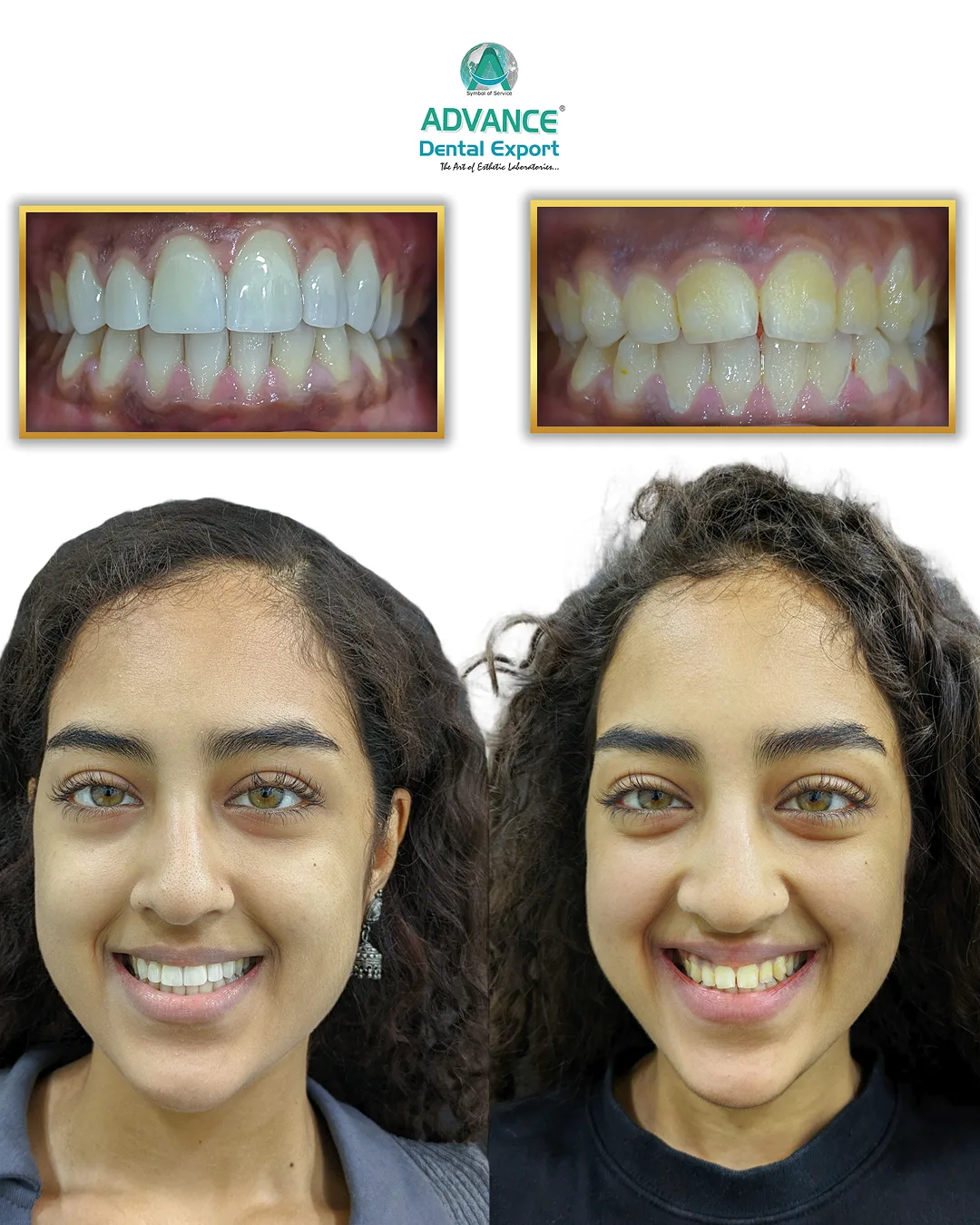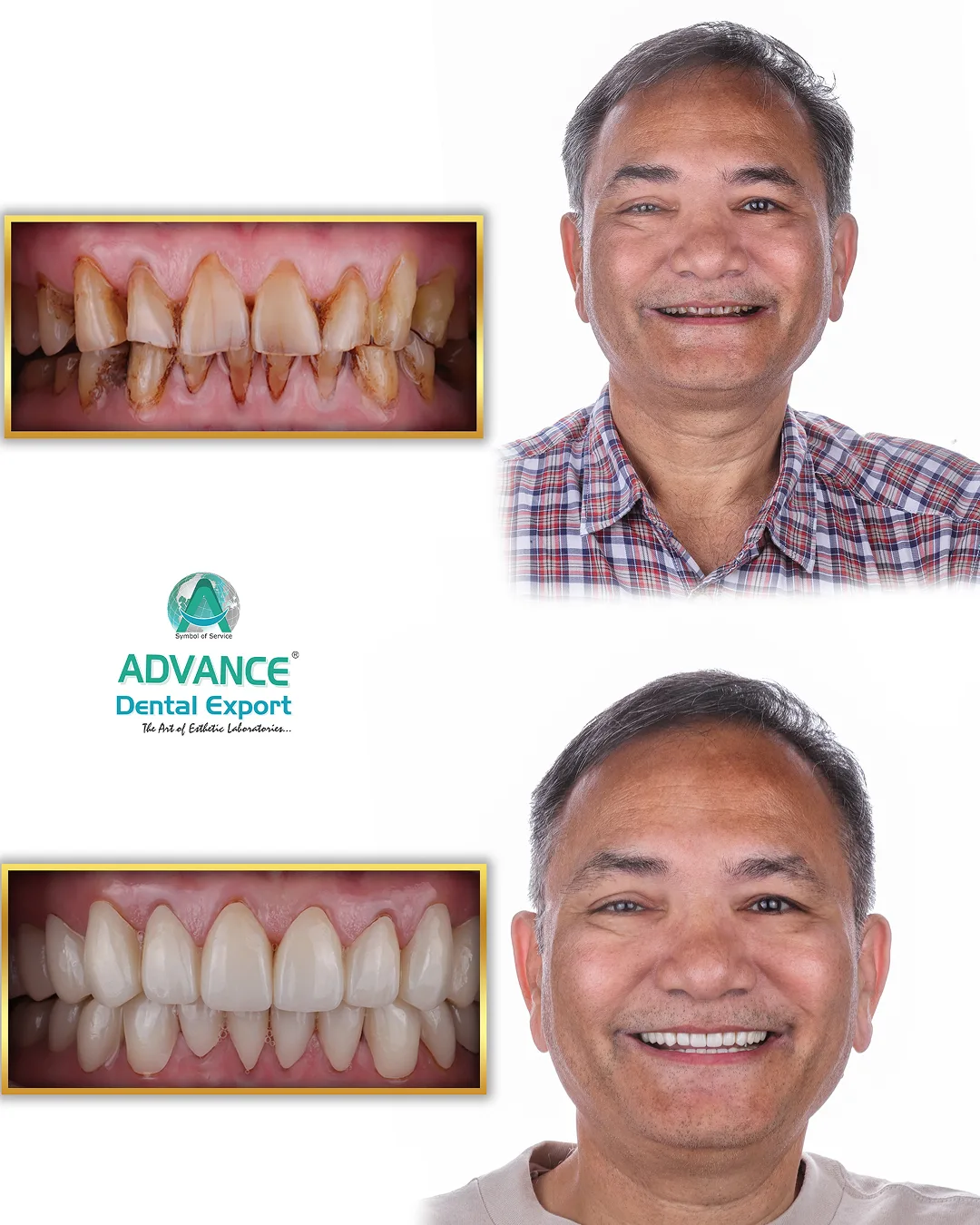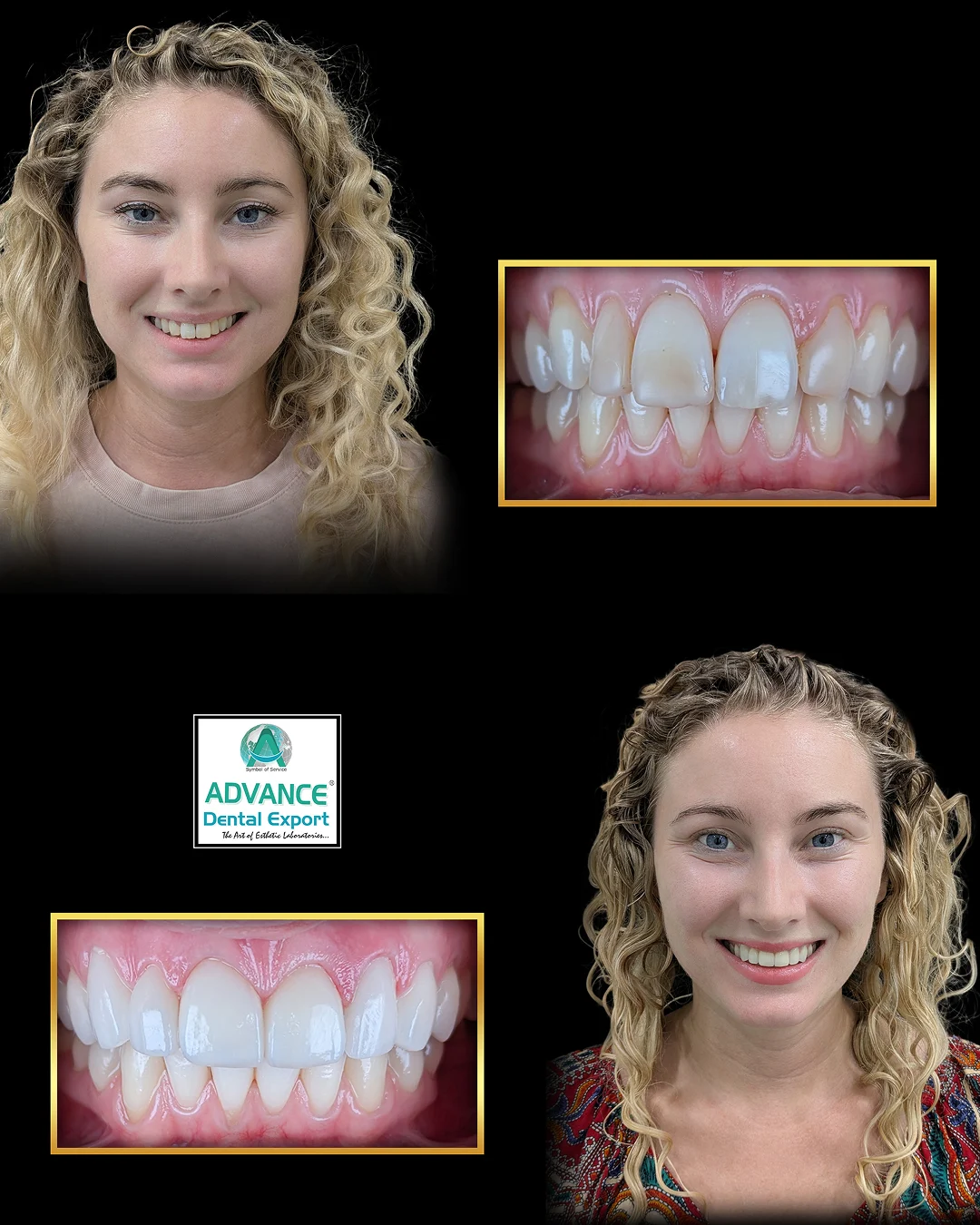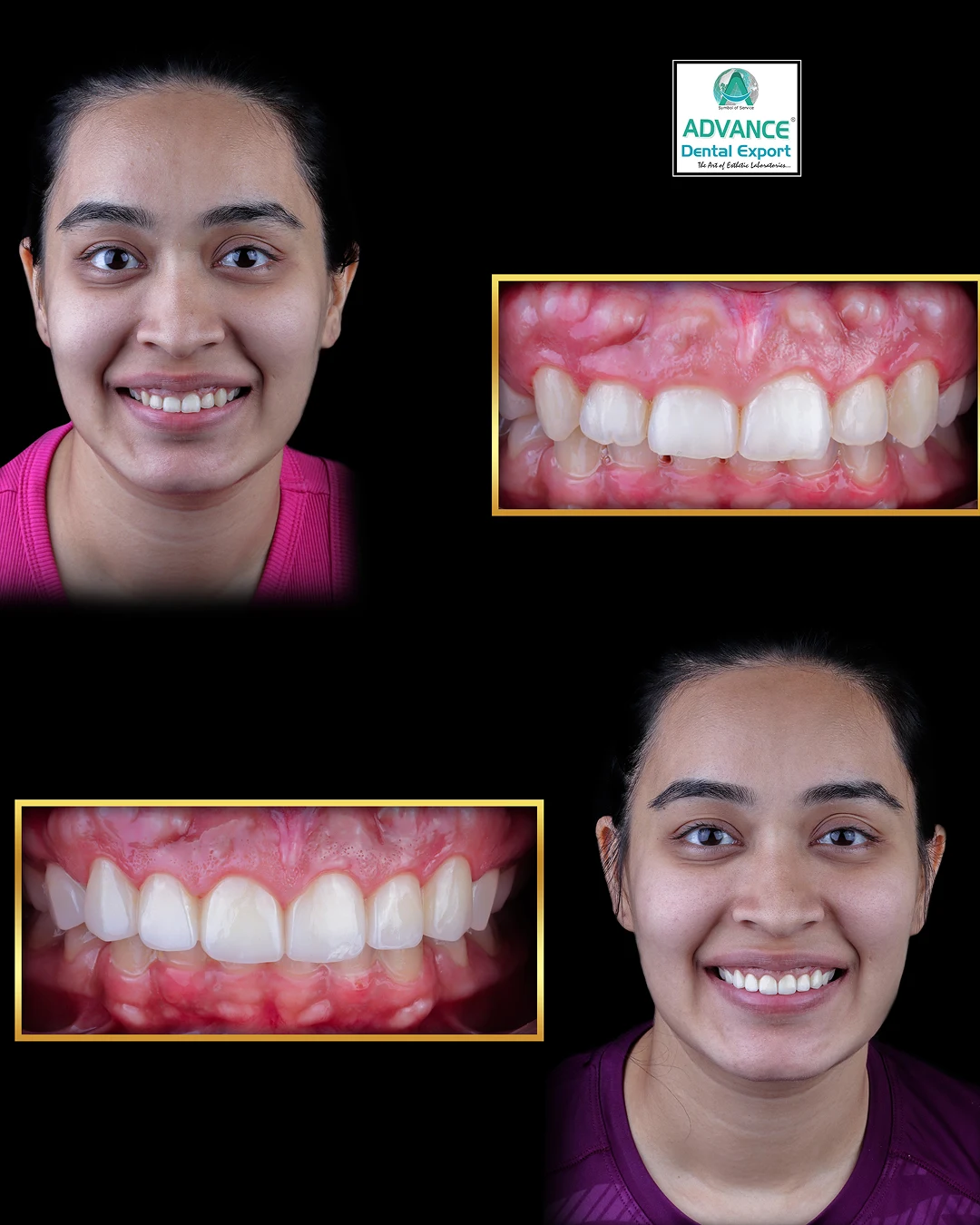
Snapshot (Quick Answer)
-
Cost (2026): Typically ₹9,000 – ₹25,000+ per tooth for zirconia crowns in India (standard to premium CAD/CAM ranges); entry-level quotes may start around ₹6,500 – ₹10,000 in some clinics/cities.
-
Full-arch / full-mouth (crowns-only rehab): Often quoted from ₹1.5 – ₹3 lakh+ per jaw depending on crown count, planning, and lab.
-
Implant-supported full arch (All-on-4/All-on-6): Costs are significantly higher because implants + surgery + prosthetics are added (not just crowns).
-
Cost varies by: city tier, clinic overheads, dentist experience, zirconia grade/brand, lab tech (CAD/CAM), scanner use, milling/sintering protocols, finishing, warranty.
-
Types Available: Monolithic (strong, predictable) vs Layered (higher aesthetics, veneer-chipping risk).
-
Zirconia vs PFM: Zirconia is metal-free and highly aesthetic; PFM is budget-friendly and commonly used but may show cervical metal lines and isn’t ideal for metal-sensitive patients.
-
Best for: Metal-free, long-lasting, natural-looking dental crowns with strong clinical performance when case selection and occlusion are managed well.
Synopsis
Zirconia crown price in India (2026) commonly falls between ₹9,000 and ₹25,000+ per tooth—but the range feels wide because zirconia crown is not one uniform product. For patients, it can look confusing. For dentists, the price reflects real variables: zirconia grade (3Y/4Y/5Y), CAD/CAM workflow quality, scanner accuracy, lab standards, finishing protocols, and warranty/inclusions.
In this blog, we break down exactly what goes into the cost: material types, grade-based pricing, lab work, city-wise differences, and what’s included vs excluded—so both dentists and patients understand what they’re paying for.
Whether it’s monolithic, multilayer, or layered zirconia, this guide helps you interpret zirconia crown pricing logically and ethically.
What is the Zirconia Crown Price in India in 2026?
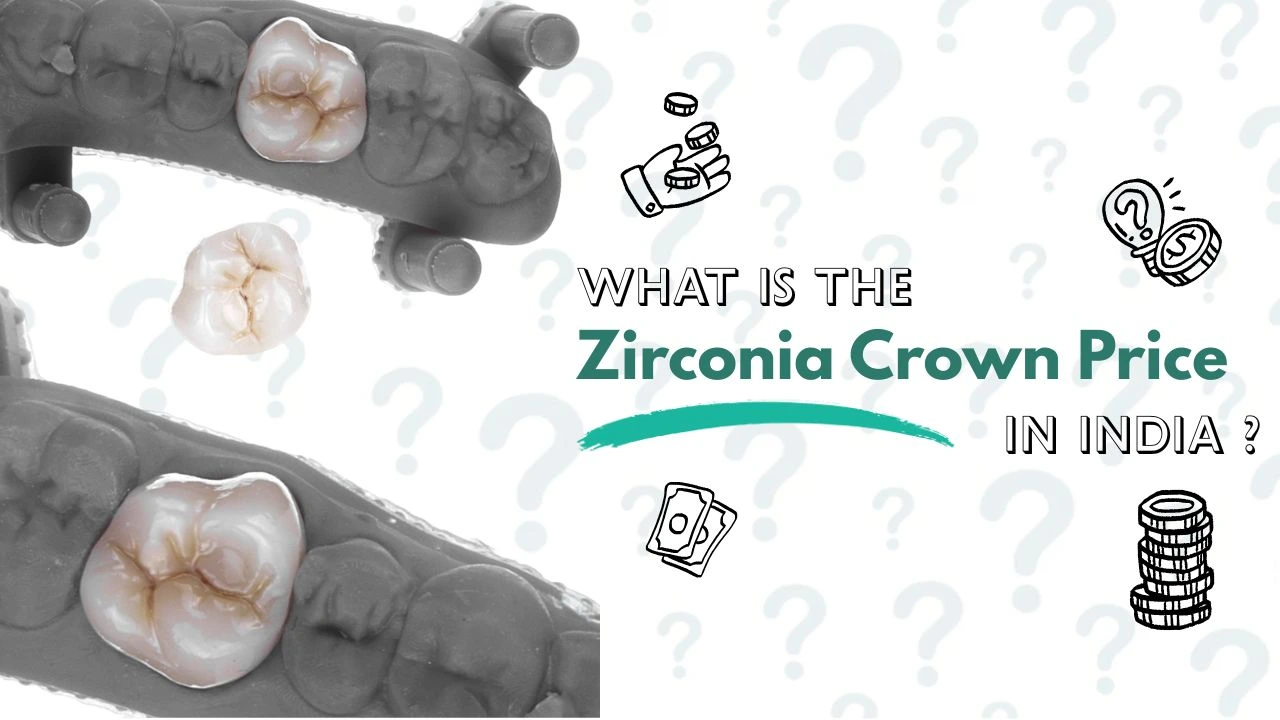
The zirconia crown price in India in 2026 typically ranges from:
- Entry-level: ₹6,500 – ₹10,000 (often limited inclusions and basic lab workflows)
- Standard zirconia (common market range): ₹9,000 – ₹16,000 per tooth
- Premium / high-aesthetic CAD/CAM zirconia: ₹15,000 – ₹25,000+ per tooth
This varies by city, clinic positioning, crown type, zirconia grade, laboratory, and workflow quality.
Why Does the Zirconia Cap Price Vary So Much?
1) City-Based Price Differences
In higher-overhead metro markets (e.g., Delhi NCR, Mumbai, Bengaluru, Hyderabad, Pune), zirconia caps often cost more due to higher operational costs, premium labs, and patient demand. Many Tier-2 cities may quote lower for comparable cases—but only when lab standards and protocols are truly comparable.
2) Clinic & Lab Standards
Top clinics with trusted digital labs (in-house or premium partner labs) charge more—especially when they standardize:
- Scanner + design protocols
- Milling precision
- Sintering schedule control
- Occlusal anatomy and contact calibration
- Finishing (polish/glaze/stain) and QC. They may also offer warranty-backed crowns.
3) What’s Included Matters (Very important in India)
Two quotes can differ by ₹5,000–₹10,000 simply because one includes:
- Consultation + radiographs
- Intraoral scan / digital impressions
- Temporary crown
- Try-in / adjustments
- Cementation protocol
- Follow-ups + minor corrections
While the other excludes them.
4) Use of Advanced Tech
Clinics using CAD/CAM , calibrated scanners, 5-axis milling, verified sintering programs, and digital occlusion tools typically deliver better fit/finish, so pricing is higher.
Types of Zirconia Crowns & Their Cost in India
When choosing a zirconia crown type , the key differences lie in aesthetics, strength, and pricing.
Monolithic Zirconia (Strong + Predictable)
- Usually more cost-effective
- High strength, good for posterior and bruxism-risk cases
- Lower veneer-chipping risk (because it’s a single material)
Layered Zirconia (Higher Aesthetics)
- Usually more expensive
- Better characterization and anterior aesthetics
- Increased risk of ceramic chipping if layering porcelain is involved (case selection + occlusion matter)

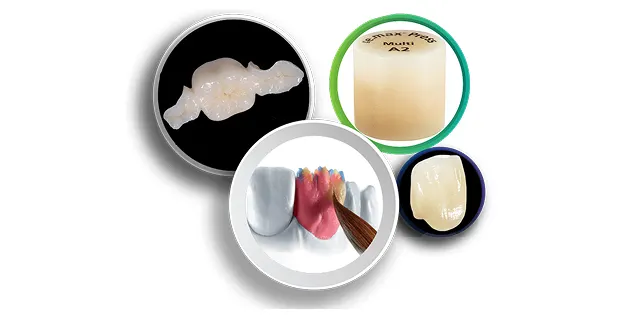
Multilayer / High-Translucency Zirconia (Modern Aesthetic Monolithic Options)
- Often priced closer to premium brackets
- Provides better gradient and translucency than older opaque zirconia blocks
- Useful for smile-zone single crowns (with appropriate indications)
Zirconia Grade (3Y / 4Y / 5Y) Changes the Price
A major pricing driver dentists should consider is zirconia grade :
- 3Y zirconia (3 mol% yttria): typically higher strength/toughness, more opaque—often preferred for posterior high-stress zones and bridges (where indicated).
- 4Y / 5Y zirconia: higher translucency for aesthetics, but strength generally decreases as translucency increases. Often used for anterior crowns and aesthetic cases.
- Multilayer blocks / premium aesthetic systems usually cost more at the lab level—so the final crown price increases too.
Practical takeaway: premium pricing is justified when the case truly needs translucency + aesthetic integration , not just the word “zirconia.”
Different zirconia systems (e.g., BruxZir, 3M Lava and others) vary by zirconia grade, translucency, indication, and lab workflow. Instead of “best,” evaluate (1) zirconia grade (3Y/4Y/5Y), (2) shade consistency, (3) milling/sintering protocol, and (4) lab QA—these are what actually influence outcomes and long-term performance.
Zirconia vs PFM Crown Cost: Is It Worth Paying More?
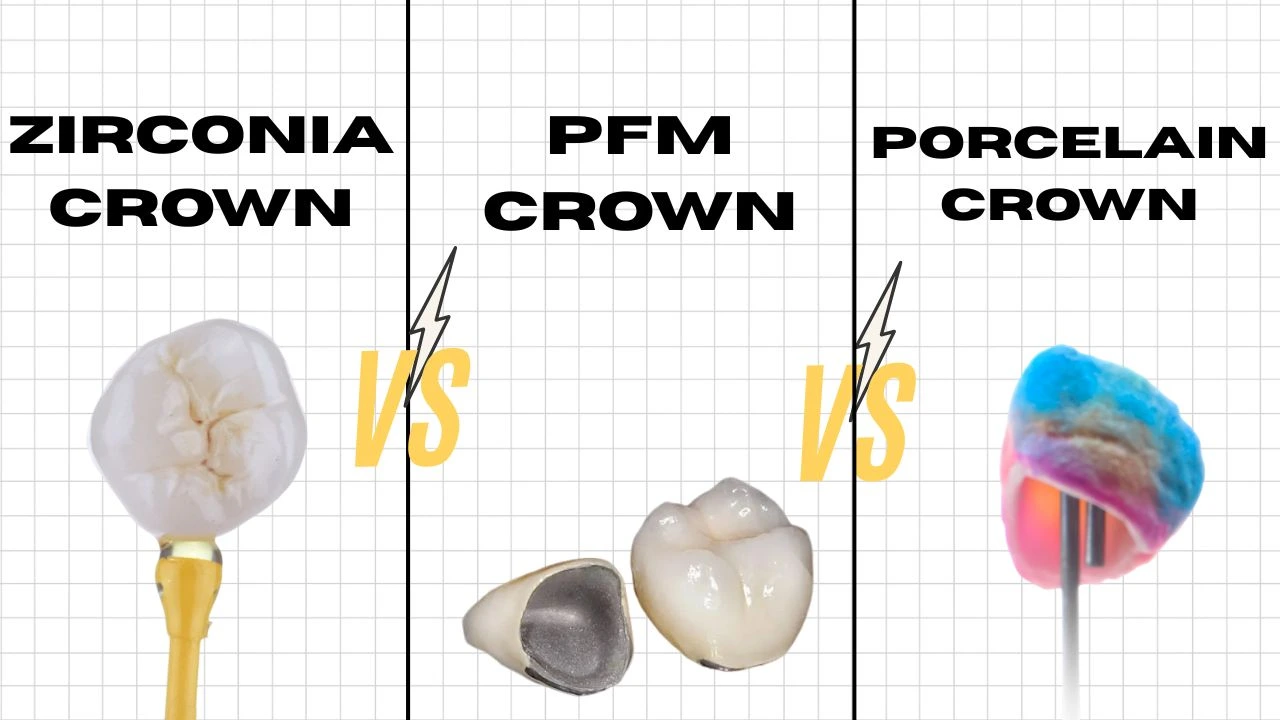
Often, yes —if you want a metal-free option with strong aesthetics and a predictable fit when produced under a controlled workflow.
PFM (Porcelain-fused-to-metal)
- Budget-friendly
- Strong framework
- Potential drawbacks: grey metal line at the gingival margin, porcelain chipping, and concerns in metal-sensitive patients
All-ceramic options (clarified)
“All porcelain” is too broad—performance depends on the ceramic:
- Lithium disilicate (e.max) is commonly chosen for anterior aesthetics
- Conventional porcelain has different strength/indication profiles
- Durability depends on occlusion, tooth position, bonding protocol, and case selection
Updated Comparison Overview (India, 2026)
| Feature | Zirconia Crown | PFM Crown | Lithium Disilicate (e.max) Crown |
|---|---|---|---|
| Typical Price Range (India, 2026) | ₹9,000–₹25,000+ | ₹5,000–₹12,000+ | ₹12,000–₹25,000+ |
| Strength | High (varies by 3Y/4Y/5Y) | High framework; porcelain layer can chip | Moderate–High (case dependent) |
| Aesthetics | Excellent (best with aesthetic grades/multilayer) | Slight opacity; metal margin risk | Highly natural, translucent |
| Durability (common expectation) | 10–15+ years (with proper case selection) | 5–10+ years | 5–10+ years (case dependent) |
| Biocompatibility | Metal-free; generally well tolerated | Usually tolerated; metal sensitivity possible | Metal-free; generally well tolerated |
Clinical note: longevity is not only material-dependent—occlusion, prep design, cementation, hygiene, and lab execution strongly determine outcomes.
How Much Does Full Mouth Zirconia Cost in India?
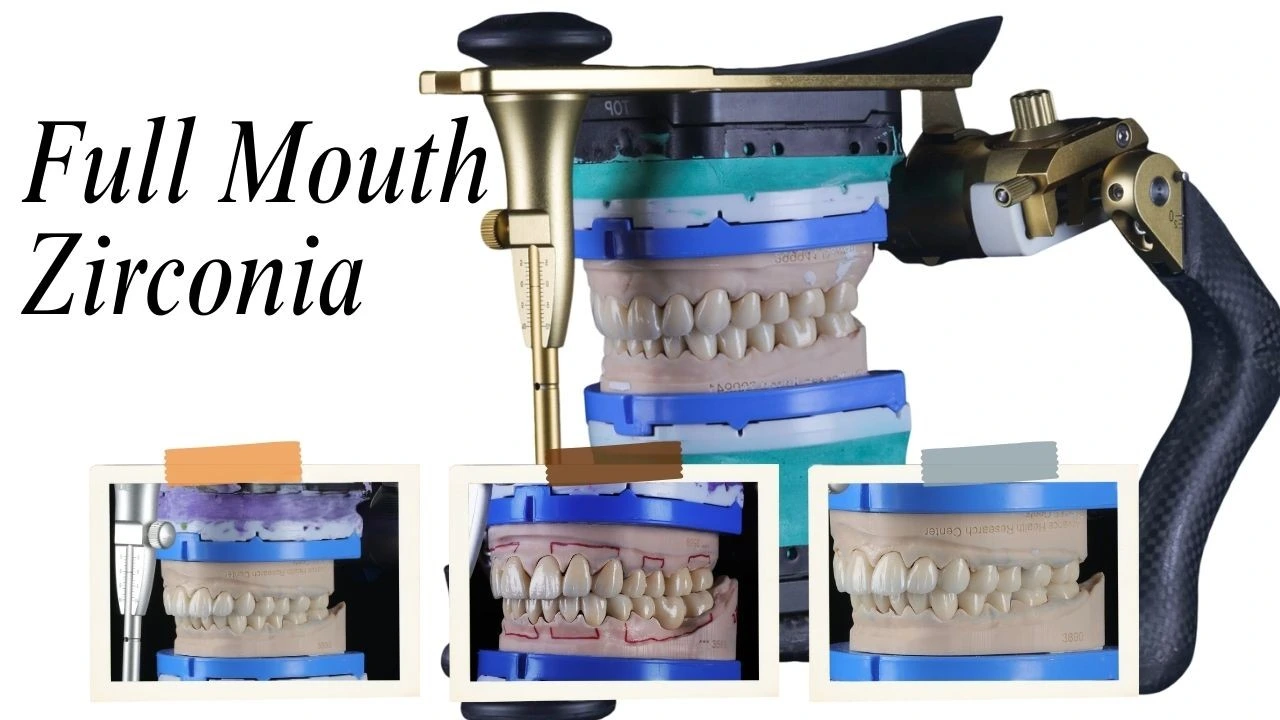
If you're missing multiple teeth or planning a long-lasting smile makeover, full-mouth zirconia crowns are a popular restorative choice.
Full mouth zirconia crowns cost (India, 2026)
- Crown-only full-arch rehab: Often starts around ₹1.5 – ₹3 lakh+ per jaw (approx.), depending on crown count, planning, and lab.
✅ Important clarification: This estimate typically applies to crown-only rehabilitation .
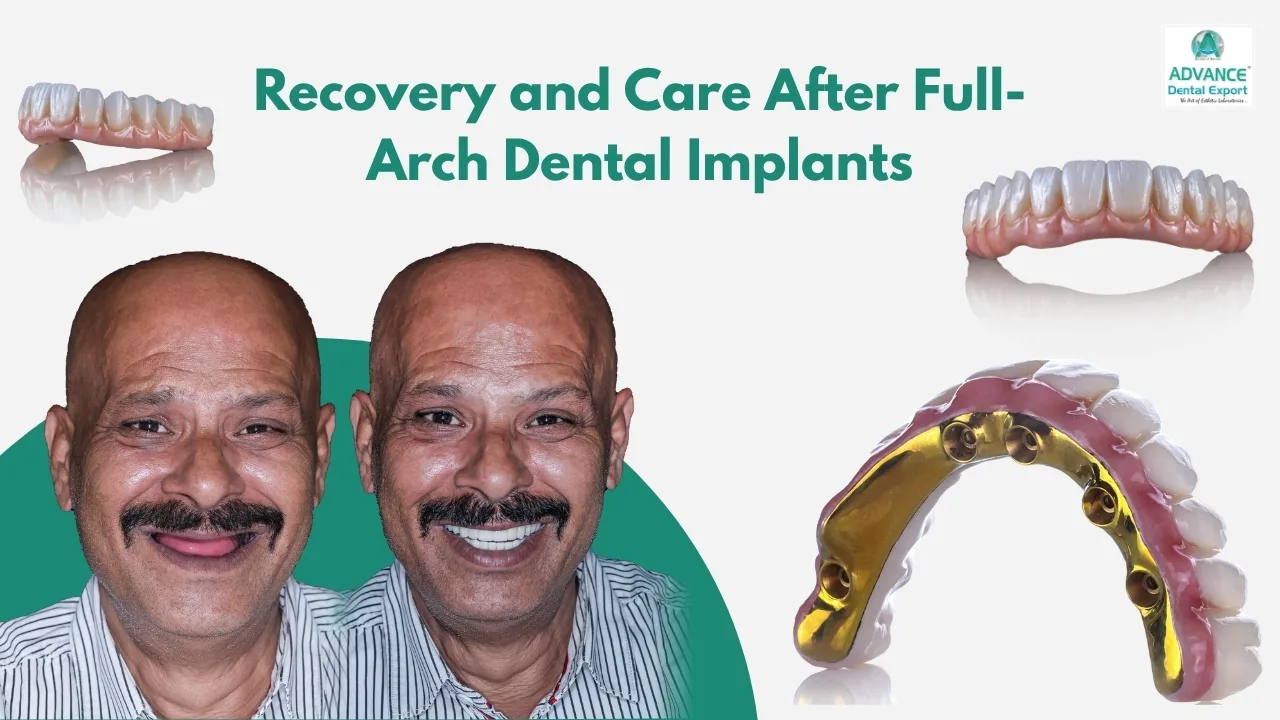
Implant-supported full arch solutions (All-on-4/All-on-6/3-on-6) add surgical, implant, abutment, and prosthetic components—significantly increasing total cost.
Factors Affecting Cost:
-
Total number of crowns needed (often 20–28 crowns for full-mouth rehab planning)
-
Smile line and bite (occlusion) complexity
-
Digital planning complexity (smile design, wax-up, occlusal scheme)
-
Supporting treatments (endodontics, perio, buildup, implants)
-
Lab protocol: scanning, design, milling axis, sintering, finishing
What’s Included?
This treatment plan may include 20 to 28 custom-designed zirconia crowns for full-mouth rehabilitation or complete smile makeover. These can be:
Implant-Supported
- All-on-4: 4 implants supporting a fixed full-arch prosthesis (often ~10–14 teeth/arch).
- All-on-6: 6 implants per arch for added stability (often ~12–14 teeth/arch).
- 3-on-6: Typically 6 implants supporting 3 bridges for an arch-like rehabilitation approach.
Natural Teeth-Supported
- Long-span bridges or multiple crowns supported by healthy natural teeth (when implants aren’t required/feasible).
Ideal if: you want metal-free, long-term restorations with strong function and aesthetics—and you commit to occlusal maintenance and follow-ups.
How Long Does a Zirconia Crown Last?
Zirconia crowns can last for 10 to 15 years or more, especially with good oral hygiene and regular dental care.
Advantages vs Disadvantages (Updated)
| Pros | Cons |
|
|
What You’re Paying For
When you get a zirconia crown, you're not just paying for the cap that goes on your tooth; you’re investing in:
- High-quality material: Zirconia is particularly known for its strength and natural aesthetics
- Dental expertise: The precision and skill of your dentist play a major role
- Lab quality: A well-fabricated crown depends on the digital scan, CAD/CAM accuracy, and finish provided by the dental lab
- Longevity & function: A good zirconia crown can last 10–15 years or more with proper care
- Easy maintenance: Smooth surface makes it easier to clean and maintain in the long run
Looking for a trusted lab partner? Get high-precision restorations from Advance Dental Export
The cheapest deal might sound lucrative, but it may compromise on lab quality or fit, potentially affecting your results in the long run.
Trusted brands like NexxZr, 3M, Amann Girrbach, and Advanced Zirconia by Advance Dental Export always ensure consistent quality, precise fit, and long-term performance, making them worth the investment.
Cost Checklist
Zirconia crowns can vary widely in pricing based on materials, technology, and expertise. Here’s what to consider:
For Dentists
If you're a dentist, here's what to consider before choosing a zirconia crown for your patient:
- Zirconia grade selection (3Y vs 4Y/5Y) based on stress vs aesthetic zone
- Genuine zirconia block system + traceability (batch/shade consistency)
- Digital intraoral scanner availability (or high-quality impression workflow)
- CAD design software standards (contacts, emergence, occlusal anatomy)
- 5-axis milling access and calibrated burs
- Controlled sintering schedule (standard vs speed sintering protocols)
- Technician skill + QC process
- Temporary crown charges (if required)
- Adjustment/finishing time and materials
- Whether polishing, staining, glazing are included
- Cementation protocol guidance (RMGI vs resin cement case-dependent)
- Warranty terms and remake policy
For Patient
If you're a patient, here's what to ask before getting a zirconia crown:
- Is a digital scan used instead of traditional impressions?
- Is the crown designed using CAD/CAM technology?
- Are temporary and permanent crowns included in the price?
- Are lab charges and adjustments included?
- How experienced is the dentist with zirconia restorations?
- Is there a warranty or replacement policy?
- Are follow-up visits and minor corrections covered?
Dentist tip: For predictable results, standardize your zirconia protocol—grade selection (3Y/4Y/5Y), occlusal design, sintering schedule, and finishing/polishing. For aesthetic or full-mouth cases, align shade, translucency, and occlusal scheme with your lab before preparation to reduce remakes and chairside adjustments.
FAQs
What is the average zirconia crown price per tooth in India (2026)?
Most commonly, ₹9,000–₹25,000+ per tooth, depending on zirconia grade, crown type, lab workflow, and inclusions.
Is monolithic zirconia cheaper than layered zirconia?
Usually yes. Monolithic tends to be more cost-effective and predictable; layered can be higher-cost due to extra lab steps and aesthetic characterization.
Does 3Y vs 4Y/5Y zirconia change crown cost?
Yes. Higher-translucency systems and multilayer aesthetic blocks generally cost more, which increases the final crown price.
Why do two clinics quote different zirconia crown prices for the same tooth?
Differences usually come from lab standards, scanning vs impression workflow, zirconia grade, finishing/QC, warranty, and what’s included (temp crown, scans, follow-ups).
How long do zirconia crowns last clinically?
Often 10–15+ years, but outcomes depend on occlusion, prep design, cementation, hygiene, and lab execution.
Does zirconia chip less than layered ceramics?
Monolithic zirconia generally avoids veneer-chipping seen in layered systems. In layered restorations, the veneering ceramic can chip if occlusion and design aren’t optimized.
Take Home Message
Zirconia crowns may cost more upfront, but they offer unmatched strength, aesthetics, and long-term value. Understanding what goes into the price, such as material quality, dental lab work , technology, and dentist expertise, helps you make an informed choice.
The cost of a zirconia crown reflects the lab precision, digital technology, dentist expertise, and long-term performance. Investing in a well-made zirconia crown often means superior aesthetics, durability, and fewer long-term problems.