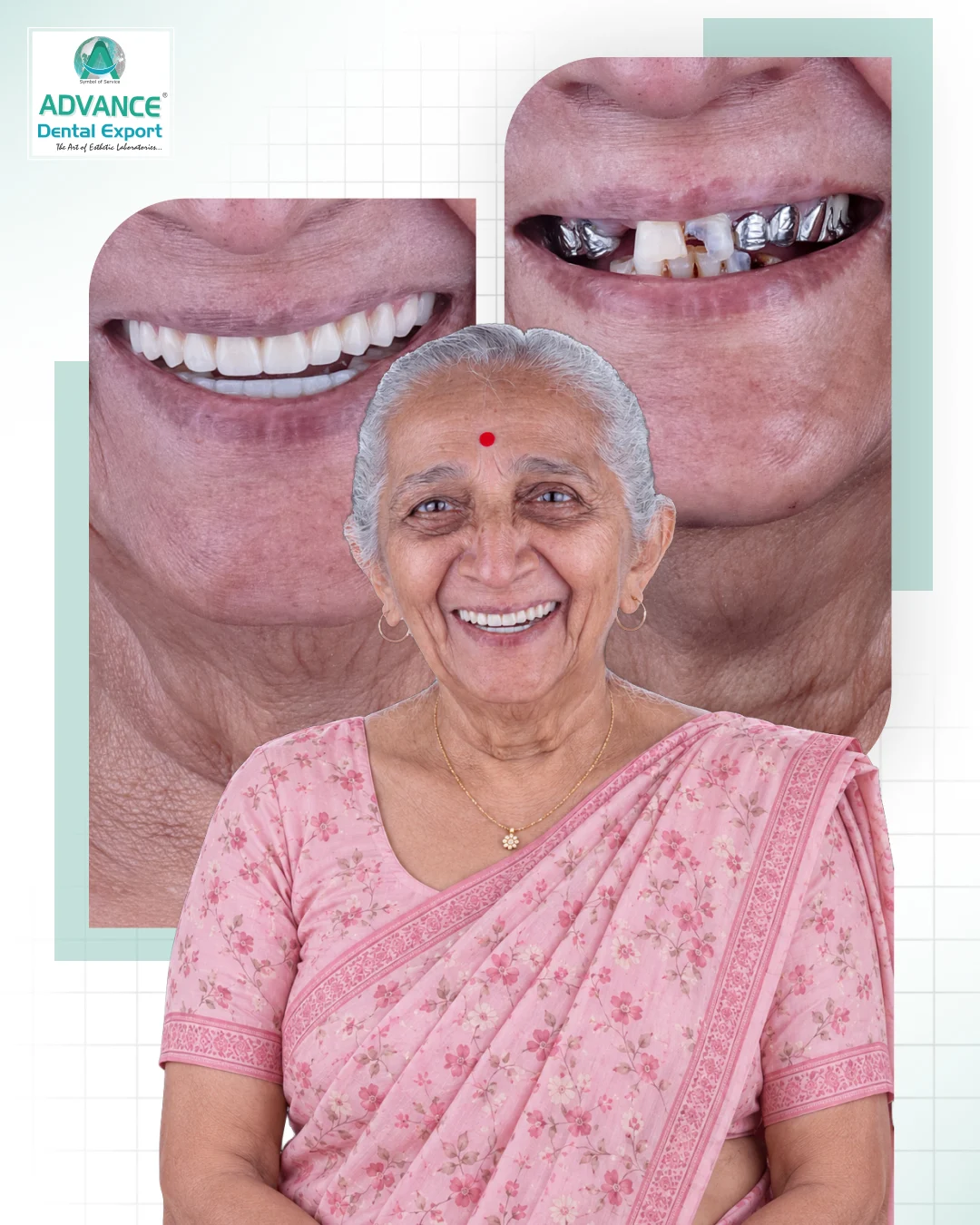
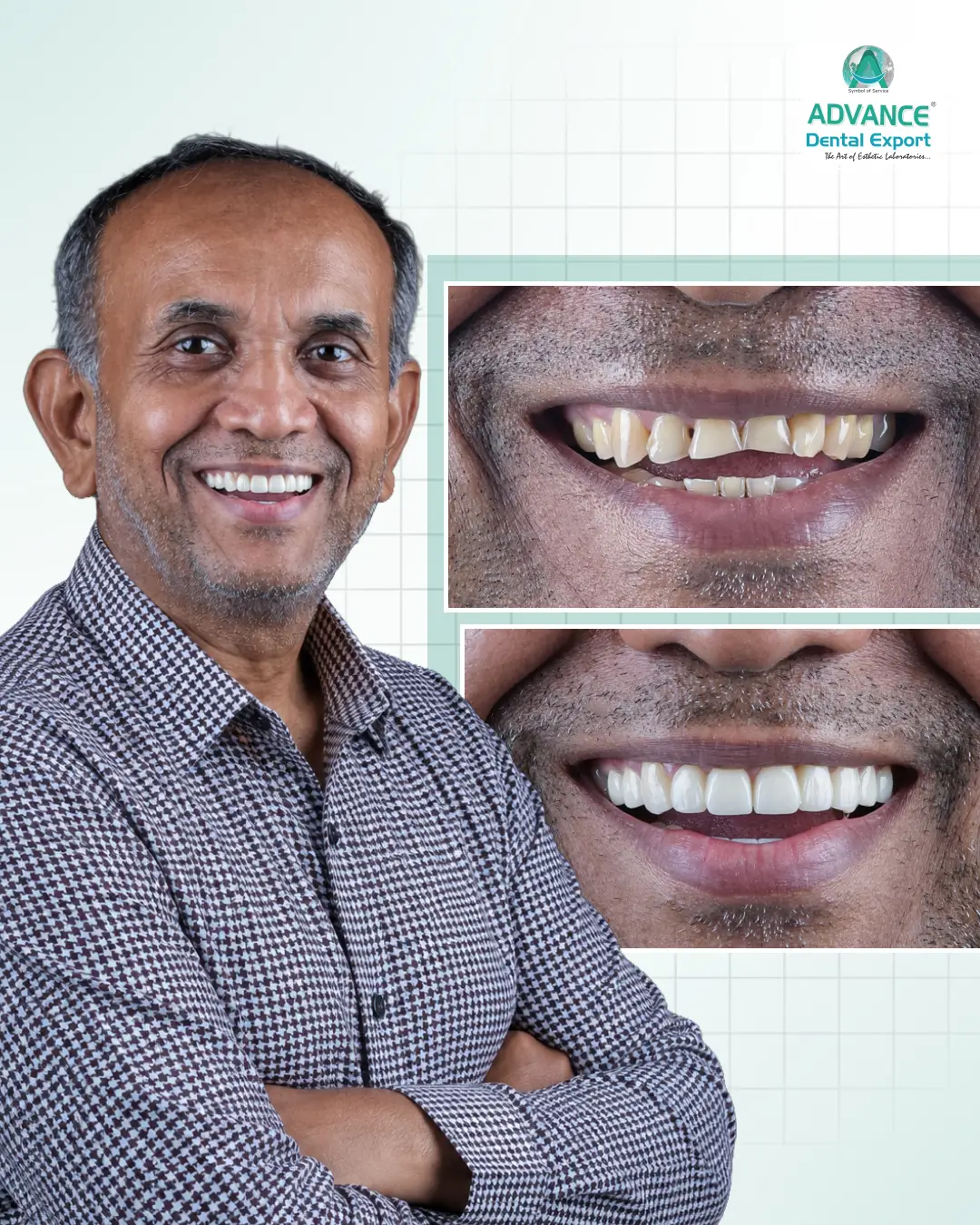
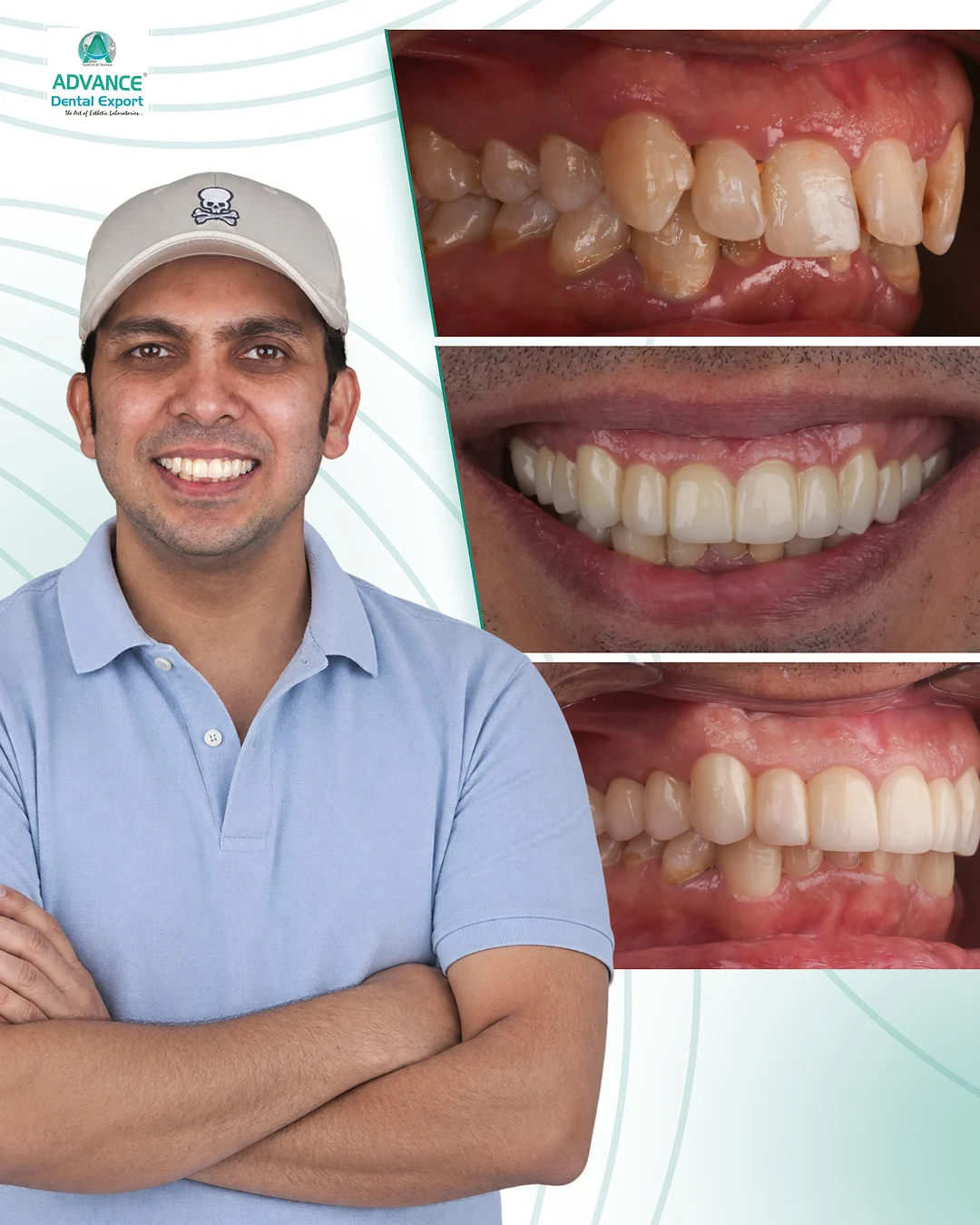
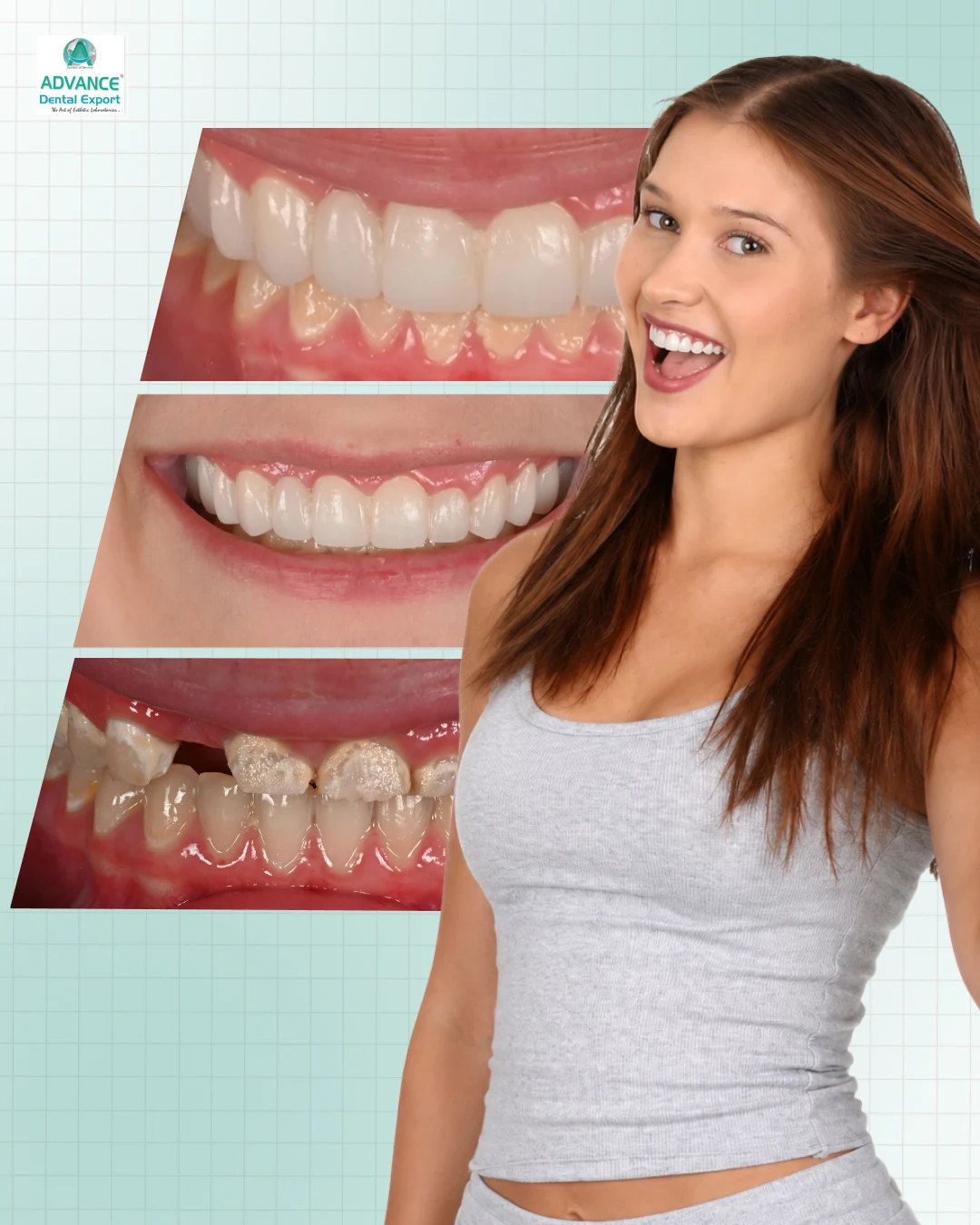
Zirconia crowns have become a routine part of fixed restorative dentistry, offering a useful combination of strength, aesthetics, biocompatibility, and compatibility with digital workflows. Depending on the material and clinical situation, zirconia can be used for anterior and posterior crowns, bridges, and selected implant-supported restorations.
However, prescribing zirconia is no longer simply a matter of choosing a “strong” ceramic. Different zirconia formulations offer different levels of strength, translucency, and aesthetic potential, making dental material selection an important part of treatment planning.
The appropriate zirconia should be selected according to factors such as tooth position, functional and occlusal load, available preparation space, restoration design, aesthetic expectations, and the level of translucency required.
For dentists, predictable zirconia restorations therefore begin with proper case assessment and matching the material and restoration design to the clinical requirements of the individual patient.
In this guide, we will look at what dental zirconia is, the different types of zirconia available, preparation guidelines, clinical indications, material-selection considerations, and the key factors to evaluate when prescribing a zirconia cap.
What is a Zirconia Crown?
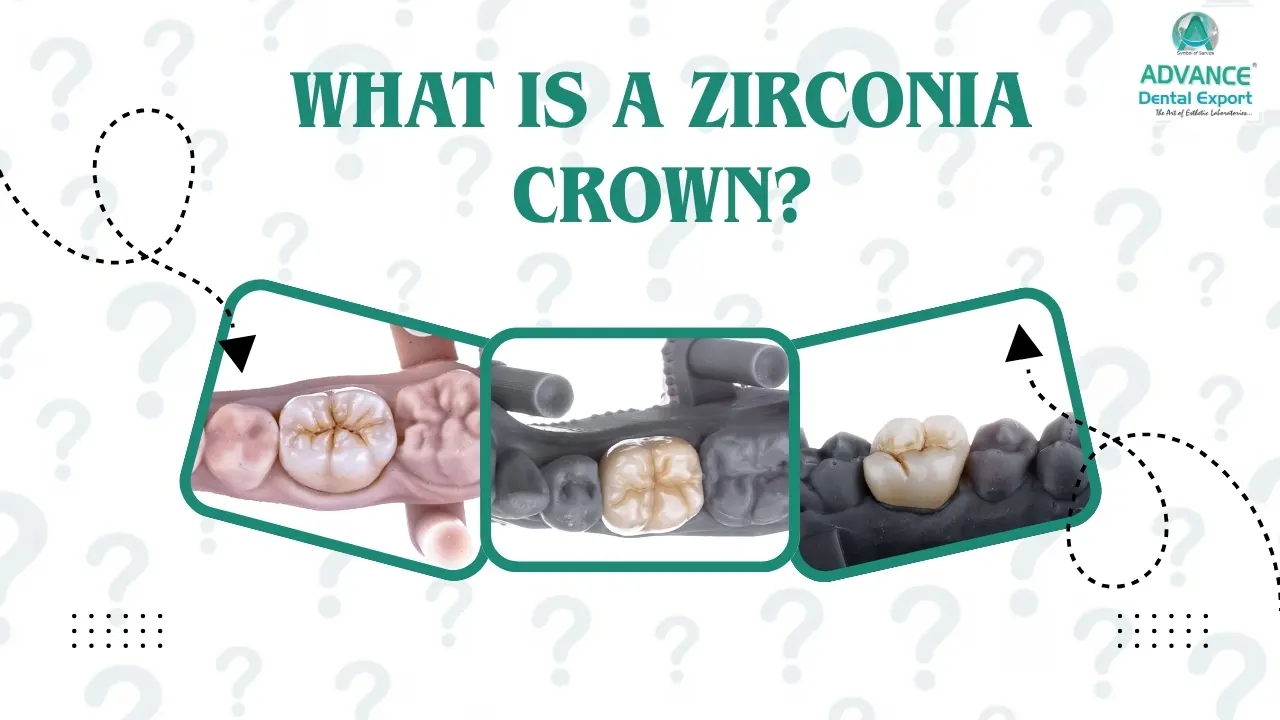
A zirconia crown is a fixed dental restoration fabricated from zirconium dioxide (ZrO₂) , a high-strength dental ceramic. The ceramic zirconium dioxide is commonly known as zirconia. It is used to restore the anatomy, function, and aesthetics of a prepared tooth while providing the mechanical properties required to withstand functional loading.
Different manufacturers and dental laboratories offer zirconia under their own product names or material systems. Just like we offer our zirconia system under the name Advance Zirconia .
One of zirconia's important characteristics is that its properties can be modified according to its formulation. Dental zirconia is available in materials offering different combinations of strength and translucency, allowing the clinician and laboratory to select a material according to the functional and aesthetic demands of the restoration.
What is a Zirconia Crown Made Of?
Zirconia teeth crowns are manufactured from biocompatible zirconium dioxide . Dental zirconia material is commonly combined with stabilising oxides, particularly yttria, to maintain specific crystalline phases and achieve the mechanical and optical characteristics required for restorative dentistry.
Zirconia used in dental crowns is typically yttria-stabilised ( 3Y , 4Y or 5Y ) to balance strength and translucency. Each “Y-TZP” grade contains different yttria (Y₂O₃) content: lower yttria (3Y-TZP) yields very high flexural strength (~900–1200 MPa) and toughness, while higher yttria (5Y-TZP) increases translucency at the expense of some strength.
How are Zirconia Crowns Fabricated?
Zirconia caps are commonly produced using a digital CAD/CAM workflow . We at Advance Dental Export have the CAD/CAM & latest digital workflow to achieve accuracy, consistency, and predictable restorative outcomes.
Once we receive the digital scan or conventional impression along with the dentist’s prescription and case requirements, our team evaluates the records and designs the restoration according to the selected zirconia material, preparation, occlusion, and clinical requirements.
The crown is then milled from the appropriate zirconia block using CAD/CAM technology. After milling, it is processed according to the required protocol, which may include sintering, characterisation, staining, glazing, and polishing to achieve the desired strength, contour, shade, and surface finish.
The completed zirconia crown is then sent to the dentist for clinical evaluation, any necessary chairside adjustments, and final cementation.
Why Choose a Zirconia Crown?
Zirconia is widely used in restorative dentistry because it combines high mechanical strength with metal-free aesthetics and compatibility with modern digital manufacturing workflows.
Depending on the zirconia formulation, it can be used across a range of restorative situations, from highly loaded posterior restorations to cases in which greater translucency and aesthetics are required.
The clinical advantages of zirconia crowns can include:
- High strength and fracture resistance
- Metal-free restorative design
- Availability in different levels of translucency
- Suitability for digital CAD/CAM workflows
- Application across a range of single-unit and multi-unit restorations
At Advance Dental Export, we work with zirconia because it offers a practical combination of high mechanical strength, metal-free aesthetics, and compatibility with modern digital manufacturing workflows.
What Are Different Zirconia Crown Types in Dentistry?
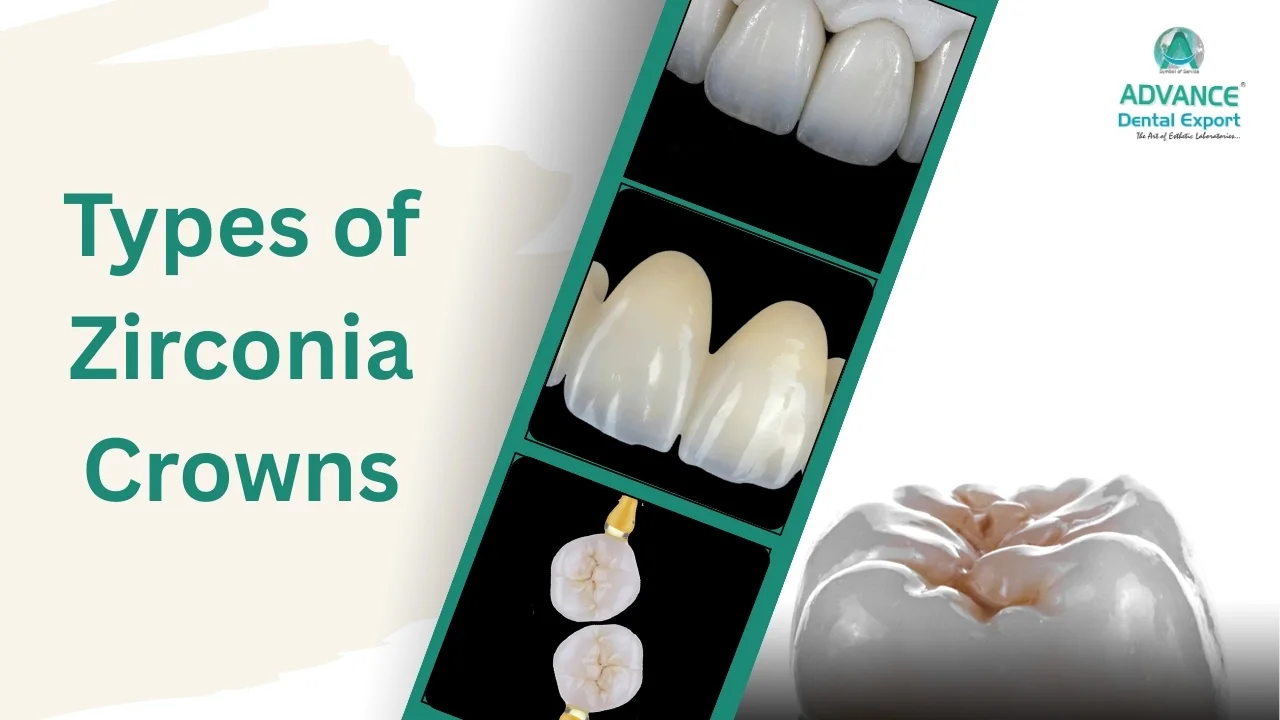
Dental zirconia is available in different types with varying mechanical and optical properties. One of the most common ways to differentiate zirconia materials is according to their yttria content, particularly 3Y, 4Y, and 5Y zirconia.
These formulations offer different balances between strength, fracture resistance, and translucency. In general, zirconia with a lower yttria content provides greater mechanical strength, while formulations with a higher yttria content provide greater translucency.
Zirconia can also be described according to the way the material or restoration is designed, such as monolithic and multilayer zirconia. These classifications should be considered separately from the 3Y, 4Y, and 5Y material formulations.
What are 3Y, 4Y, and 5Y Zirconia?
The terms 3Y, 4Y, and 5Y generally refer to zirconia formulations containing approximately 3, 4, and 5 mol% yttria, respectively. Yttria is used to stabilise the zirconia crystal structure and has an important influence on the material's mechanical and optical properties.
As the yttria content increases, the proportion of cubic-phase zirconia generally increases. This can improve translucency but reduces the amount of tetragonal zirconia available for transformation toughening, which contributes to zirconia's resistance to crack propagation.
For this reason, there is generally a trade-off between translucency and mechanical performance:
| Zirconia type | General characteristic | Common application |
| 3Y zirconia | Higher strength, lower translucency | Posterior restorations and high-load cases |
| 4Y zirconia | Balance of strength and translucency | Anterior and posterior restorations |
| 5Y zirconia | Higher translucency, lower strength than 3Y | Aesthetic anterior restorations |
These differences make it important to select the zirconia formulation according to the clinical indication rather than considering all zirconia materials interchangeable.
What is the Monolithic Zirconia Crown?
Monolithic zirconia refers to a crown fabricated in full contour from zirconia, without a separate veneering porcelain layer over a zirconia framework.
Because the monolithic crown is made predominantly as a single zirconia structure, it eliminates complications associated specifically with chipping or delamination of a separate veneering ceramic. It can also simplify the laboratory workflow and is commonly considered when mechanical performance and durability are important.
What is Multilayer Zirconia?
Multilayer zirconia is supplied as a block or disc containing gradual transitions designed to reproduce the optical characteristics of natural dentition. Depending on the product, these transitions may involve changes in shade, translucency, zirconia composition, or a combination of these characteristics.
Some multilayer zirconia materials primarily provide a colour gradient while maintaining a relatively uniform material composition. Other composition-gradient systems incorporate different zirconia formulations within the same disc, creating zones with different levels of translucency and mechanical properties.
In practice, dentists often pick monolithic zirconia (single colour block, usually 3Y or 4Y) for strength, and multilayer (gradient) zirconia for high esthetics.
How to Choose the Right Zirconia Type?
Zirconia crown selection should begin with the clinical requirements of the restoration rather than the material name alone. You should consider the location of the restoration, functional and occlusal demands, available restorative space, aesthetic requirements, restoration design, and the indications of the specific zirconia system.
In areas exposed to greater functional loads, mechanical strength and fracture resistance may take priority. This can be particularly important for posterior restorations, patients with high occlusal forces, and multi-unit restorations.
When aesthetics are more demanding, translucency, shade integration, substrate colour, and the amount of available restorative thickness become increasingly important. More translucent zirconia formulations may provide optical advantages, but their lower mechanical properties should be considered before they are selected for high-load or multi-unit restorations.


As a general clinical principle:
- 3Y zirconia is considered when greater mechanical strength and fracture toughness are priorities.
- 4Y zirconia provides a balance between mechanical performance and increased translucency.
- 5Y zirconia is considered when greater translucency is required, provided that the restoration falls within the manufacturer's approved indications.
Moreover, other factors are also important to consider when choosing a zirconia crown.
| Clinical factor | What to consider |
| Tooth position | Anterior or posterior |
| Functional load | Normal or high occlusal demand |
| Aesthetic demand | Required translucency and shade |
| Restoration type | Crown, bridge, or implant restoration |
| Available space | Preparation and material thickness |
| Occlusion | Contact pattern and parafunctional risk |
| Material specification | Manufacturer's approved indications |
Selecting the right zirconia formulation is only part of the process. The dental laboratory you work with should also have the experience and technical capability to work with different zirconia systems.
Different zirconia brands offer different formulations, with variations in strength, translucency, and optical properties. Therefore, one zirconia formulation may not be suitable for every clinical case.
Traditional zirconia, particularly 3Y zirconia, offers high strength but generally has lower translucency. Higher-translucency zirconia, such as 5Y zirconia, provides improved optical properties but has lower mechanical strength. In this way, Advance Zirconia is better than other zirconia . It is designed to optimise this balance for cases where both functional performance and aesthetics are important.
What Makes Zirconia Ideal for Dental Crowns?
Zirconia has earned nicknames such as “ ceramic steel ” and “ white steel ” due to its exceptional strength and durability. Its crystal structure (yttria-stabilised tetragonal zirconia polycrystal, Y-TZP) gives it transformational toughening: tiny cracks actually close themselves under pressure. Clinically, this means zirconia resists fracture even under heavy loads.
From a data standpoint, zirconia’s performance stands out. Compared to other all-ceramic materials, zirconia can have flexural strength above 1,000 MPa and fracture toughness around 5–10 MPa·m^0.5. While material like lithium disilicate, e.g. IPS e.max , have flexural strength around 360–400 MPa. This strength data explains why monolithic zirconia crowns survive well in molars and bridges.
Meanwhile, newer high-translucency zirconias (5Y) have strengths around 500–700 MPa – lower than traditional 3Y zirconia but still higher than most other ceramics – while giving a more natural tooth-like appearance.
In practical terms, these material properties translate to fewer cracks or failures. Zirconia crowns can handle heavy occlusal forces and bruxism without chipping (unlike some porcelain crowns). They also meet ISO 6872 standards for dental ceramics used in the mouth.
Most dentists choose Advance Zirconia for cases requiring maximum strength (like long bridges or implant crowns) and for patients who need metal-free restorations. At the same time, the advent of translucent zirconia means clinicians can also achieve esthetic anterior crowns that rival those made of lithium disilicate.
Overall, zirconia’s combination of biocompatibility, strength, and evolving esthetics makes it ideal for a wide range of dental restorations.
Clinical Applications of Zirconia Crowns
Zirconia caps can be used for a wide range of tooth-supported and implant-supported fixed restorations. The appropriate zirconia depends on functional demands, aesthetic requirements, restoration design, location in the dental arch, and the specific material indications.
Depending on the zirconia system, it can be considered for both anterior and posterior restorations. Common clinical applications include:
- Tooth-supported single crowns
- Anterior and posterior crowns
- Fixed dental prostheses and bridges
- Implant-supported single crowns
- Selected implant-supported fixed restorations
- Selected extensive restorative and full-mouth rehabilitation cases
The zirconia formulation should be matched to the requirements of the restoration. For example, the mechanical demands of a posterior crown or multi-unit bridge may differ considerably from those of an anterior single crown.
Not every zirconia system is indicated for every application. Differences in strength, fracture toughness, translucency, minimum thickness, connector requirements, and processing protocols can affect where a particular material can be used.
Is Zirconia Suitable for Front Teeth?
Yes. Zirconia can be used for anterior crowns when the selected material provides the required combination of aesthetics and mechanical performance.
For anterior restorations, the final aesthetic result can be influenced by several factors, including:
- Zirconia translucency
- Restoration thickness
- Tooth or core colour beneath the restoration
- Shade selection
- Preparation design
- Cement or luting material
- Surface texture and characterisation
Higher-translucency zirconia may provide improved optical integration in selected anterior cases. However, increasing translucency is generally associated with changes in mechanical properties, so the most translucent zirconia is not automatically the most appropriate choice.
Therefore, you should evaluate aesthetics together with functional requirements. Occlusion, available restorative space, preparation design, substrate colour, restoration thickness, and the manufacturer's indications should all be considered before selecting zirconia for an anterior crown.
Zirconia Crown Preparation
Zirconia crown preparation should provide adequate space for the selected material while preserving healthy tooth structure. The preparation should also allow accurate seating, clear margin identification, proper crown contour, and sufficient occlusal clearance.
What Are the Key Principles of Zirconia Crown Preparation?
Key preparation principles include:
- Provide adequate occlusal or incisal clearance.
- Maintain sufficient axial reduction.
- Use rounded internal line angles.
- Create a smooth, continuous finish line.
- Avoid sharp corners and undercuts.
- Maintain a clear path of insertion.
- Preserve healthy tooth structure where possible.
What Are Zirconia Crown Prep Dimensions?
There is no single preparation dimension for every zirconia crown.
As a general reference, many monolithic zirconia systems require approximately 1.0–1.5 mm of occlusal or incisal reduction and around 1.0 mm of axial reduction.
However, the exact reduction depends on the zirconia type, restoration design, clinical indication, and manufacturer's minimum thickness requirements.
Zirconia Crown Preparation Checklist for Dentists
Before taking the final scan or impression, review the preparation carefully:
- Is the finish line clearly visible, smooth, and continuous?
- Are all internal line angles rounded?
- Have sharp corners and unsupported enamel been eliminated?
- Is the preparation free from unwanted undercuts?
- Is adequate occlusal or incisal clearance available?
- Is the axial reduction sufficient and uniform?
- Is the path of insertion clear?
- Is there enough restorative space for the required zirconia thickness and final crown contour?
- Have the opposing dentition and functional occlusal relationships been assessed?
- Does the preparation meet the requirements of the selected zirconia system?
A final preparation check before scanning or impression-taking helps provide the laboratory with a clear and accurate record for CAD design. It can also reduce avoidable design compromises, remakes, and chairside adjustments during clinical try-in.
Zirconia vs PFM Crown
Zirconia and porcelain-fused-to-metal (PFM) crowns are both widely used for fixed restorations, but they differ in structure, aesthetics, and material behaviour.
| Key Factor | Zirconia Crowns | PFM Crowns |
| Material | Metal-free zirconium dioxide ceramic | Metal framework with porcelain fused on top |
| Strength | Very high strength, especially monolithic zirconia | Strong, but the porcelain layer can chip |
| Biocompatibility | Highly biocompatible and metal-free | Generally safe, but contains metal |
| Tooth Preparation | Usually requires less reduction | Requires more tooth reduction |
| Chipping Risk | Very low chipping risk (monolithic zirconia) | Porcelain layer may chip |
| Digital Workflow | Highly compatible with CAD/CAM systems | Limited digital compatibility |
| Common Use | Crowns, bridges, and implant restorations | Posterior crowns and bridges |
Compared with traditional porcelain-based materials, zirconia generally provides greater mechanical strength and fracture toughness. This can make zirconia useful when functional demands are a major consideration.
What Are the Limitations of Zirconia Crowns?
Zirconia offers high mechanical strength and broad clinical versatility, but it also has limitations that should be considered during material selection, preparation, fabrication, and clinical adjustment.
Common limitations include:
- High-strength zirconia formulations may provide lower translucency than more aesthetic ceramic materials.
- Highly translucent zirconia generally has lower strength and fracture toughness than conventional 3Y zirconia.
- Minimum thickness, preparation, and restoration-design requirements vary between zirconia systems.
- Chairside adjustment can increase surface roughness if the restoration is not properly finished and repolished.
- A rough zirconia surface may increase wear of the opposing dentition, making appropriate polishing particularly important after occlusal adjustment.
- Veneered zirconia restorations can be susceptible to chipping of the veneering ceramic.
- The optical result can be influenced by zirconia formulation, restoration thickness, substrate colour, staining, glazing, and surface characterisation.
These limitations do not make zirconia unsuitable as a restorative material. They highlight the importance of selecting the appropriate zirconia formulation and following the preparation, processing, adjustment, and finishing protocols recommended for the specific system.
How Long Do Zirconia Crowns Last?
Zirconia crowns can demonstrate high clinical survival over medium- and long-term follow-up, but there is no single lifespan that applies to every zirconia restoration.
Clinical studies and systematic reviews have reported high survival rates for tooth-supported zirconia single crowns, including survival above 90% across follow-up periods extending toward 10 years. However, survival should not be interpreted as a guarantee that every zirconia crown will remain complication-free for a specific number of years.
The expected service life should therefore be assessed in the context of the individual restoration and patient rather than communicated as a fixed number of years.
What is the Price of Zirconia Crowns in India?
Zirconia crown prices start at around ₹9,000 and can go up to ₹25,000 or more depending on the city, case complexity, and lab tier.
One of the practical considerations for all is the cost of a zirconia crown . Zirconia is a premium material and involves advanced fabrication, so it is generally more expensive than basic crown options. However, understanding the cost factors can help you explain fees to patients and also manage your lab expenses.
From the dentist’s perspective, a significant part of that cost goes to the dental lab fee for zirconia. Zirconia blocks, CAD/CAM milling, and colouring all add to lab cost, not to mention that many labs like Advance Dental Export import premium quality zirconia.
Looking for a trusted lab partner? Get high-precision restorations from Advance Dental Export
In summary, zirconia crowns are a premium offering in your practice. The cost in India ranges broadly, but is justified by the advantages they bring. By understanding and communicating the cost factors – location, materials, expertise, complexity – you can set fair pricing and ensure patients feel the value in what they’re paying.
Many dentists find that once patients have a crown crafted from zirconia, they come back requesting it for future teeth as well, despite the higher cost, because they’re satisfied with the look and performance.
In short, zirconia crown pricing reflects the material quality and craftsmanship involved . Balancing cost and quality is key: choosing the cheapest zirconia may seem cost-effective, but poor materials or lab work can lead to remakes. Clinics that invest in reputable zirconia materials and modern milling techniques tend to achieve better clinical outcomes and patient satisfaction.
Conclusion
Zirconia crowns have become an important part of modern restorative dentistry because they offer a useful combination of strength, aesthetics, and compatibility with digital workflows.
Careful preparation, appropriate restoration design, correct material selection, and clear communication with the dental laboratory all contribute to more predictable clinical outcomes.
When planning a zirconia restoration, consider the complete clinical picture rather than choosing the material based on strength or aesthetics alone. A well-planned zirconia crown should provide the balance of function, durability, and appearance required for that specific restoration.
For dentists looking for reliable zirconia restorations with the right balance of strength, aesthetics, and precision, choose Advance Zirconia for better restorative performance. Contact us to discuss your next zirconia case and select the zirconia solution that best matches your clinical requirements.
Zirconia Crown FAQs
What is a zirconia crown made of?
A zirconia crown is made from zirconium dioxide (ZrO₂), a high-strength, biocompatible ceramic material commonly stabilised with yttria (Y₂O₃). Dental zirconia is available in different formulations, primarily 3Y, 4Y, and 5Y, which offer varying combinations of flexural strength, fracture toughness, and translucency.
What are the reasons a patient might need a zirconia crown?
You may consider a zirconia crown when a patient has extensive tooth structure loss due to caries, fractures, large existing restorations, or endodontic treatment, particularly when cuspal coverage is clinically indicated. Zirconia can also be prescribed when replacing a defective crown or restoring a dental implant.
What does the zirconia crown procedure involve?
The zirconia crown workflow begins with clinical assessment, tooth preparation, and a digital scan or conventional impression. A dental laboratory then evaluates the case, designs the crown using CAD software, mills the restoration, and completes sintering, characterisation, and polishing before delivery.
Is same-day zirconia crown possible?
Same-day zirconia crowns are possible with suitable chairside CAD/CAM equipment and validated rapid-sintering protocols. The exact workflow depends on the zirconia system, restoration complexity, and available equipment.
What are the types of zirconia crowns?
Zirconia crowns can be classified according to their material composition and restoration design. Based on yttria content, the main formulations include 3Y zirconia, 4Y zirconia, and 5Y zirconia. Based on restoration design, zirconia is divided into two types: monolithic zirconia crowns and layered zirconia crowns. Multilayer zirconia is also available, incorporating shade, translucency, or composition gradients within the material. A multilayer zirconia crown can also be monolithic.
When is zirconia restoration recommended?
Zirconia restorations are particularly recommended when your treatment plan requires high mechanical strength, fracture resistance, and metal-free aesthetics. Common indications include posterior crowns, selected patients with heavy occlusal demands, tooth-supported bridges, and implant-supported restorations.
What are the benefits of zirconia crowns?
Zirconia crowns offer several clinical advantages, including high fracture resistance, biocompatibility, metal-free aesthetics, and compatibility with CAD/CAM fabrication. Monolithic zirconia eliminates the risk of veneering porcelain chipping, making it particularly useful for posterior restorations. Modern multilayer and high-translucency zirconia materials also provide improved aesthetic possibilities for anterior cases.
Do zirconia crowns look natural?
Modern high-translucency and multilayer zirconia materials can provide excellent aesthetics when selected and fabricated appropriately. For anterior restorations, 4Y and 5Y zirconia may offer improved translucency compared with conventional 3Y formulations.
Can zirconia shade be matched?
However, natural-looking results depend on more than material selection. You should communicate the stump shade, adjacent tooth shade, restoration thickness, translucency requirements, and any specific characterisation instructions to your laboratory. Clinical photographs and accurate shade records can further improve shade matching.
Do zirconia crowns wear down opposing teeth?
Zirconia can cause opposing enamel wear, but the extent depends significantly on surface roughness, occlusal conditions, and finishing quality. Properly polished monolithic zirconia generally demonstrates favourable antagonist wear behaviour, although clinical studies report varying results. After making occlusal adjustments, you should repolish the adjusted surfaces using an appropriate zirconia polishing system.
Can zirconia crowns stain or turn yellow?
No, zirconia has good colour stability and does not typically undergo the same intrinsic yellowing associated with natural tooth discolouration. However, maintaining a smooth, properly polished surface is important for long-term aesthetics.
How much does a zirconia crown cost?
The average zirconia crown price in India ranges from ₹9,000 to ₹25,000 or more per tooth at the clinic level. For dentists, the final cost depends on the zirconia grade (3Y, 4Y or 5Y), restoration design, laboratory charges, CAD/CAM fabrication, and finishing requirements.
Which is better, zirconia or a PFM crown?
Zirconia is generally a better option for posterior restorations where high strength, fracture resistance, and durability are important. Conventional PFM provides excellent aesthetics but has lower mechanical strength. As a dentist, your choice should depend on tooth position, occlusal forces, preparation space, aesthetic requirements, and the specific ceramic material being compared.
What are the disadvantages of zirconia crowns?
Although zirconia offers excellent mechanical strength, it has certain clinical limitations. Conventional 3Y zirconia has relatively low translucency, while more translucent 5Y formulations offer reduced fracture resistance. Zirconia also requires appropriate surface treatment for reliable adhesive bonding, and poorly polished occlusal surfaces can contribute to opposing enamel wear.
Can cavities develop beneath zirconia crowns?
Zirconia itself cannot develop dental caries, but secondary caries can occur in the underlying tooth, particularly around defective crown margins or areas of plaque accumulation. Accurate marginal adaptation, appropriate cementation, and regular clinical evaluation are important for reducing this risk.
Can patients experience allergic reactions to a zirconia crown?
Zirconia is highly biocompatible, and allergic reactions to the ceramic itself are extremely uncommon.
What aftercare is required for zirconia crowns?
Following zirconia crown cementation, advise patients to maintain good oral hygiene and attend regular follow-up examinations. Check occlusal contacts, marginal integrity, and periodontal response during clinical reviews.
How should sensitivity or crown dislodgement be managed for zirconia?
If postoperative sensitivity persists, assess occlusion, pulpal condition, marginal adaptation, and possible cementation-related factors. For a dislodged crown, examine the preparation's retention and resistance form, underlying tooth structure, crown fit, and cementation protocol before deciding on recementation or replacement. When adhesive cementation is indicated, appropriate zirconia surface treatment and contamination control are essential.