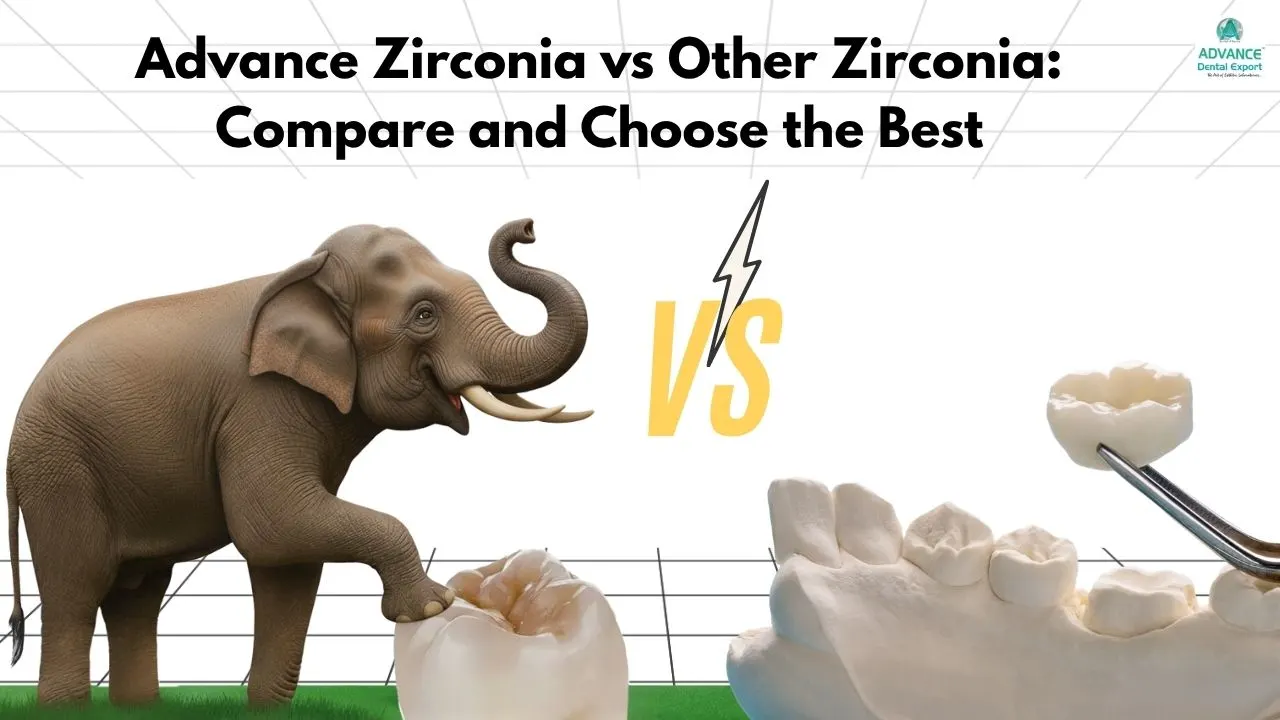
Snapshot
- Flexural strength up to 800–1200 MPa (variant-dependent)
- Multi-layer translucency for enamel-like appearance
- Metal-free and biocompatible
- Reduced chipping compared to PFM
- Suitable for crowns, bridges, and implants
What is Advance Zirconia?
Advance Zirconia is a next-generation zirconium dioxide ceramic designed to combine high flexural strength with improved translucency. Unlike early-generation opaque zirconia, advanced formulations use multi-layer gradient technology and controlled yttria content (3Y, 4Y, 5Y variants) to balance durability and aesthetics.
Integrated with digital workflows such as CAD/CAM milling and intraoral scanning, Advance Zirconia enables precise restorations with predictable fit and shade consistency.
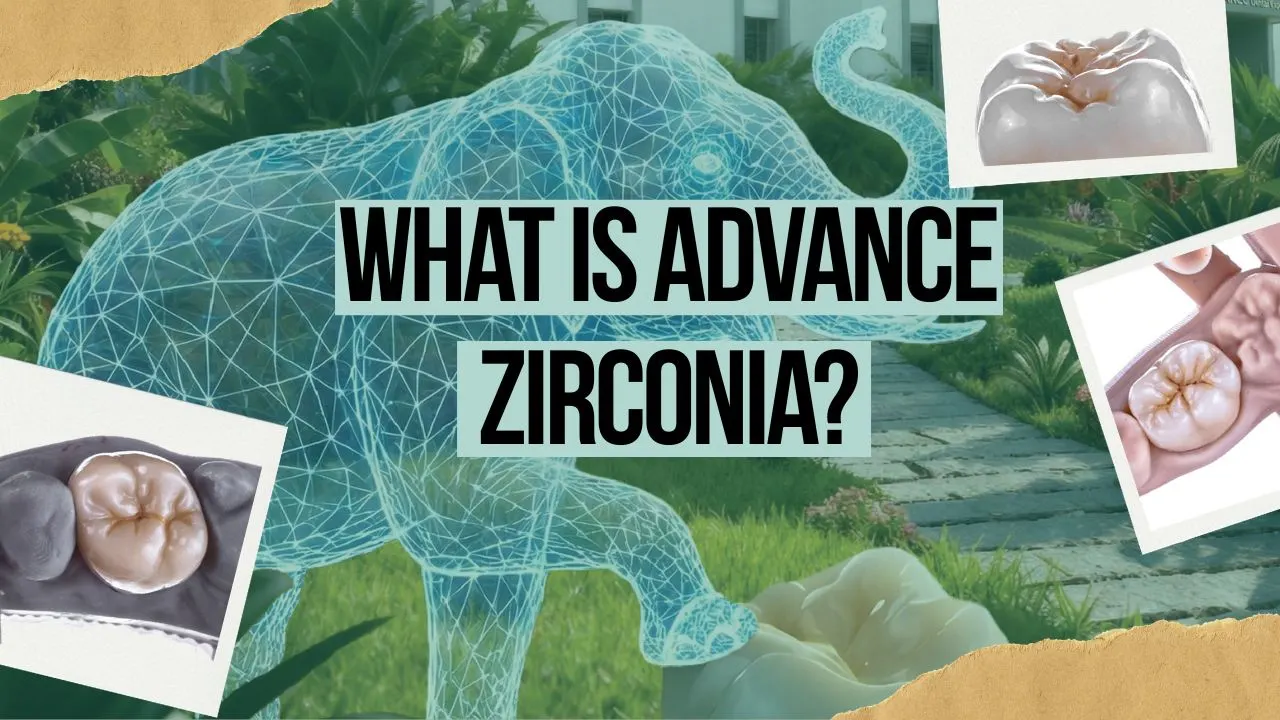
It is widely used in India for:
- Single crowns
- Multi-unit bridges
- Implant-supported prostheses
- Full-mouth rehabilitation
- Aesthetic anterior restorations
What are the Benefits of Advance Zirconia?
Advance Zirconia offers multiple clinical and aesthetic advantages:
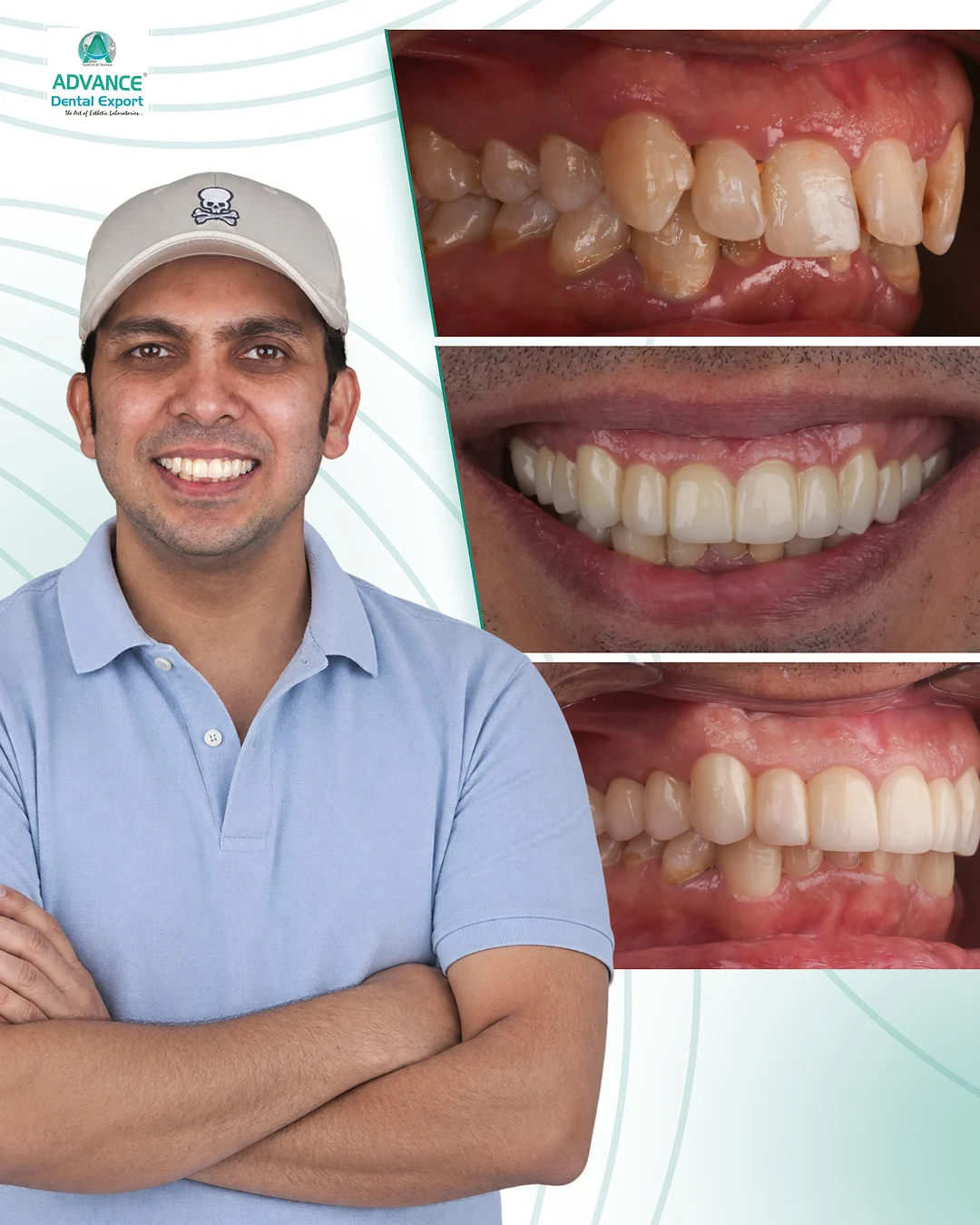
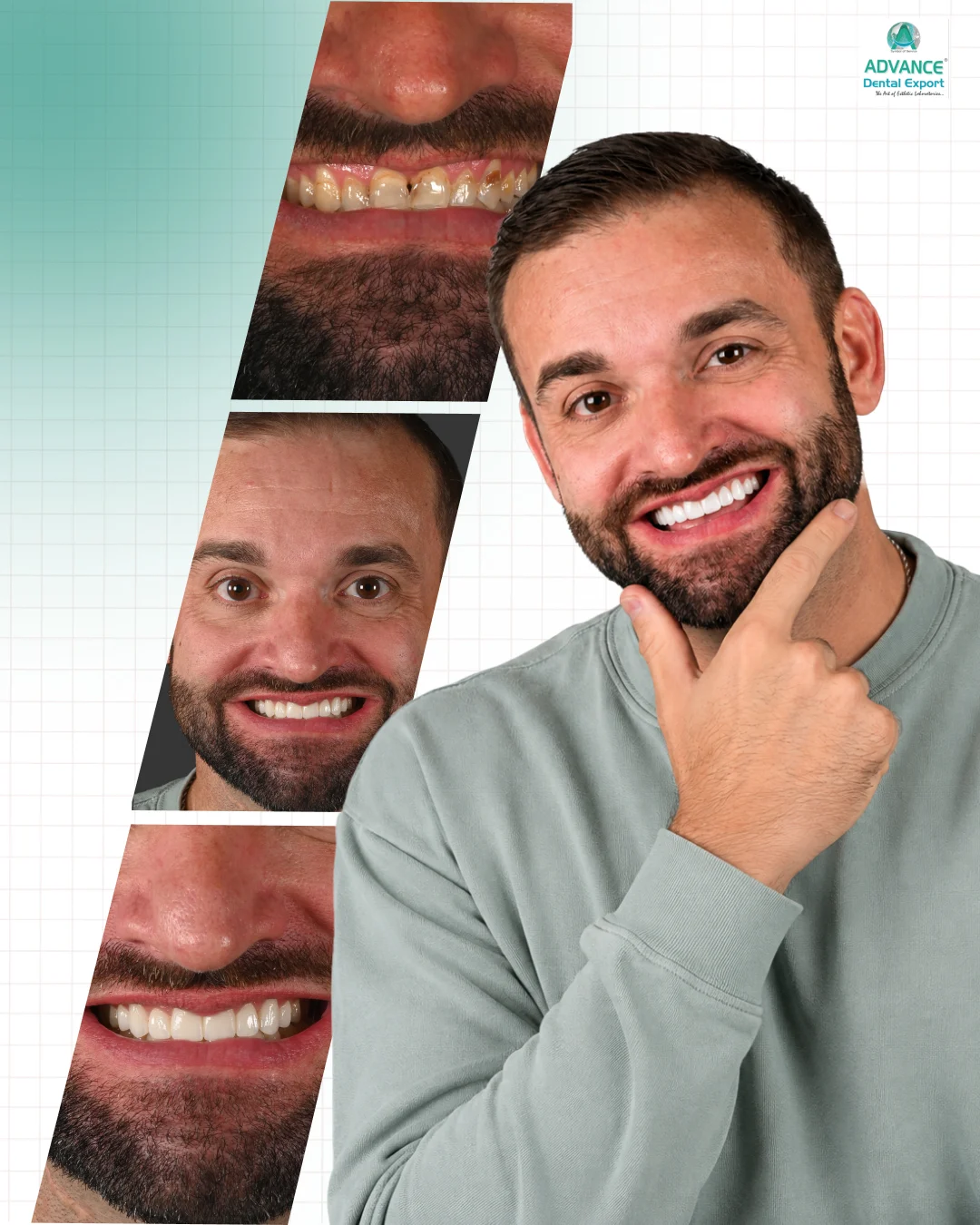
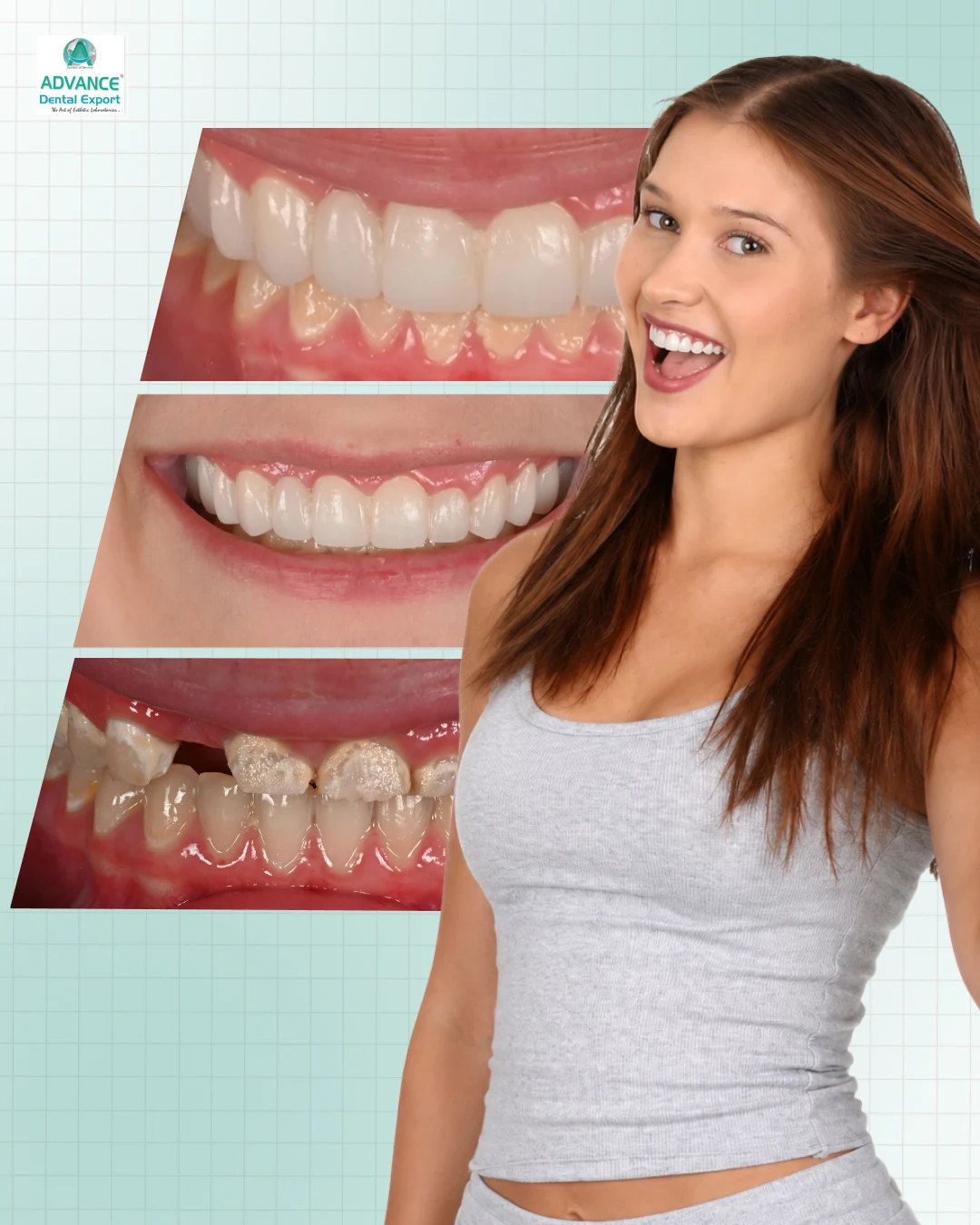
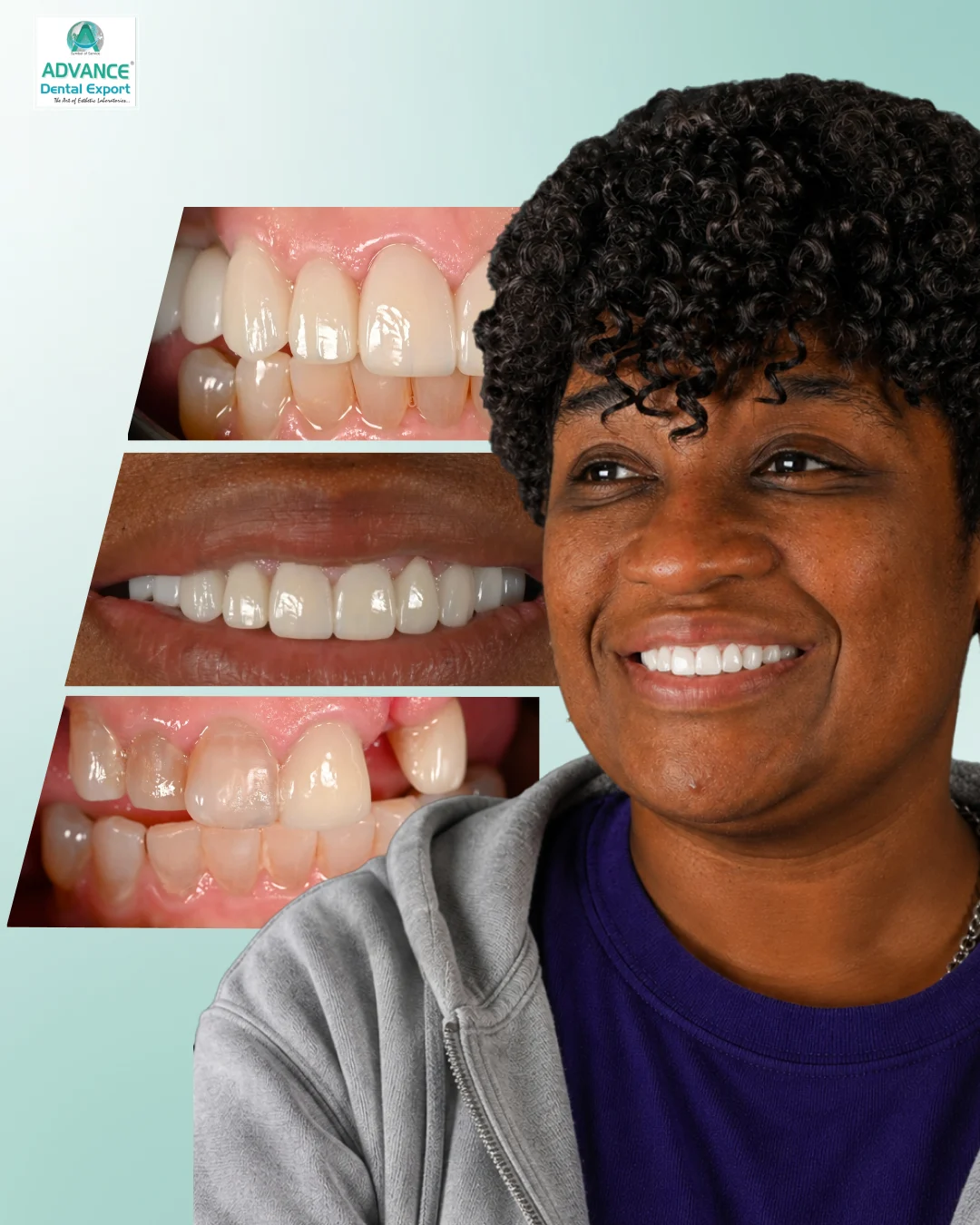
- Superior Aesthetics: Its gradient shading, natural translucency, and controlled light diffusion help replicate enamel more realistically than standard zirconia.
- High Strength: Suitable for all types of restorations, including single crowns, multi-unit bridges, and full-arch implant prostheses, without compromising durability.
- Excellent Biocompatibility: Being fully metal-free, it prevents grey margins, allergic reactions, and gum irritation.
- Reduced Chipping & Fracture Resistance: Calibrated milling and high-temp sintering create a structure that resists the chipping or cracking common in porcelain-layered systems.
How is Advance Zirconia Different from Conventional Zirconia?
Traditional zirconia (mainly 3Y) is extremely strong but often appears opaque. Higher-translucency zirconia (5Y) improves aesthetics but reduces strength. Advance Zirconia optimises this balance.
Here is the comparison table to give you a clear idea of the differences between Advance Zirconia and other zirconia.
Comparison Table
|
Feature |
Conventional 3Y Zirconia |
5Y Zirconia |
Advance Zirconia |
|
Flexural Strength |
900–1200 MPa |
600–900 MPa |
800–1200 MPa (variant-based) |
|
Translucency |
Low |
High |
Balanced multilayer translucency |
|
Best For |
Posterior teeth |
Anterior aesthetics |
Both anterior & posterior |
|
Chipping Risk |
Low (monolithic) |
Moderate |
Reduced with calibrated milling |
|
Shade Matching |
Limited |
Good |
Advanced gradient layering |


Advance Zirconia Vs. Traditional Dental Materials
When compared with older restorative materials, Advance Zirconia stands out significantly.
PFM (Porcelain-Fused-to-Metal)
- Strong core
- Risk of porcelain chipping
- Possible dark metal margin over time
Advance Zirconia eliminates metal margins and reduces the risk of chipping when used in monolithic designs.
Emax (Lithium Disilicate)
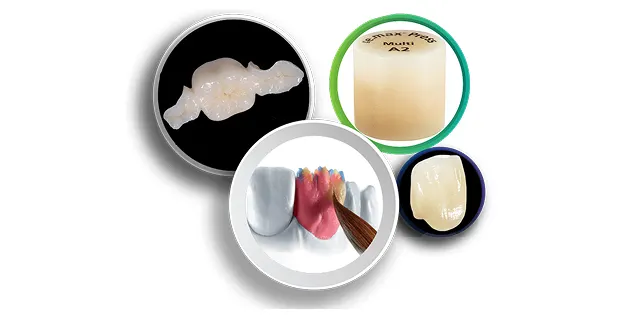
- Excellent anterior aesthetics
- Flexural strength ~360–500 MPa
- Best for veneers and low-load zones
Advance Zirconia offers significantly higher fracture resistance, making it more suitable for posterior teeth and full-arch restorations, while modern multilayer versions achieve comparable aesthetic outcomes.
Why Advance Zirconia is Becoming the Preferred Choice in India
- Rising demand for metal-free dentistry
- Growing use of digital CAD/CAM labs
- Increasing awareness of aesthetics
- Better long-term performance compared to layered systems
- Higher patient awareness about its durable and biocompatible restorations.
Clinicians value predictability. Patients value durability and natural appearance. The Advance Zirconia bridges both needs.
Why Dentists Recommend Advance Zirconia for Restorations?
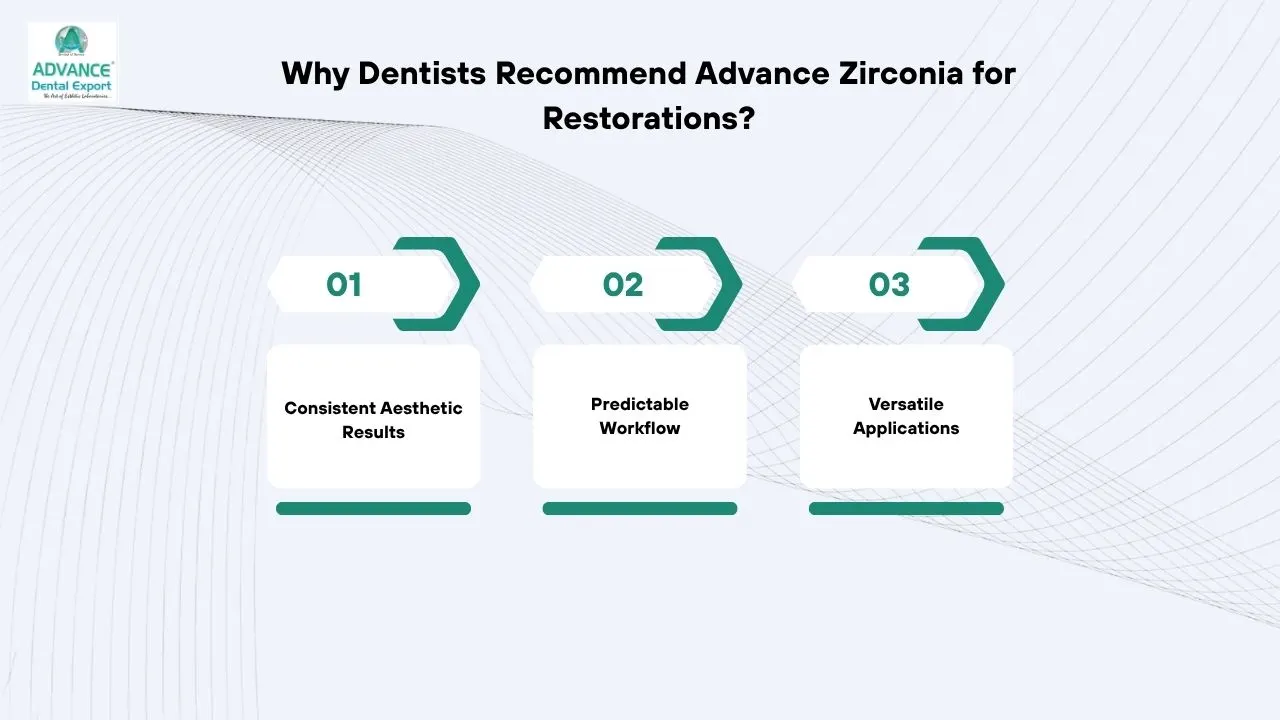
Dentists are increasingly shifting to Advance Zirconia because it delivers both clinical reliability and superior aesthetics.
- Consistent Aesthetic Results: Multi-layer fabrication reduces shade mismatches and remakes.
- Predictable Workflow: Digital scanning and CAD/CAM milling ensure accuracy and faster turnaround.
- Versatile Applications: Suitable for anterior veneers, posterior crowns, implant prostheses, and full-arch cases.
Advance Zirconia Restoration Procedure
The Advance Zirconia restoration process follows a fully digital and highly accurate workflow:
- Digital Impression: Intraoral scanners capture detailed 3D images of the prepared tooth. This eliminates guesswork and improves marginal accuracy.
- CAD/CAM Designing: Software designs the restoration based on anatomy, occlusion and shade requirements. The digital workflow ensures predictable contact points and minimal chairside adjustments.
- Milling the Zirconia Block: The restoration is milled using an in-house 5-axis automated milling machine from a pre-shaded multi-layer zirconia block. This preserves uniformity and ensures stable shade matching.
- Sintering: The milled zirconia crown undergoes high-temperature sintering, increasing its strength above 1000 MPa, translucency, and final integrity.
- Final Finishing & Bonding: and-crafted staining with precise glazing and polishing completes the aesthetic outcome. The crown is bonded, and occlusion is fine-tuned for function and comfort.
How Long Do Advance Zirconia Restorations Last?
Advance Zirconia crowns typically last 20–25 years or longer with proper care. Moreover, premium restorations such as USD offer lifetime durability. Their long-term performance is supported by:
Looking for a trusted lab partner? Get high-precision restorations from Advance Dental Export
- High fracture toughness due to its fully sintered, high-density microstructure that resists cracks even under heavy bite forces
- Resistance to staining due to the nonporous glazed surface
- Stable colour over time, as processes like hot isostatic pressing and glazing lock the pigments into the zirconia
- Minimal chipping risk due to the multilayered structure instead of layered porcelain
Patients who maintain good oral hygiene and regular follow-ups generally experience an extended lifespan of Advance Zirconia restorations.
Who is a Good Candidate for Advance Zirconia?
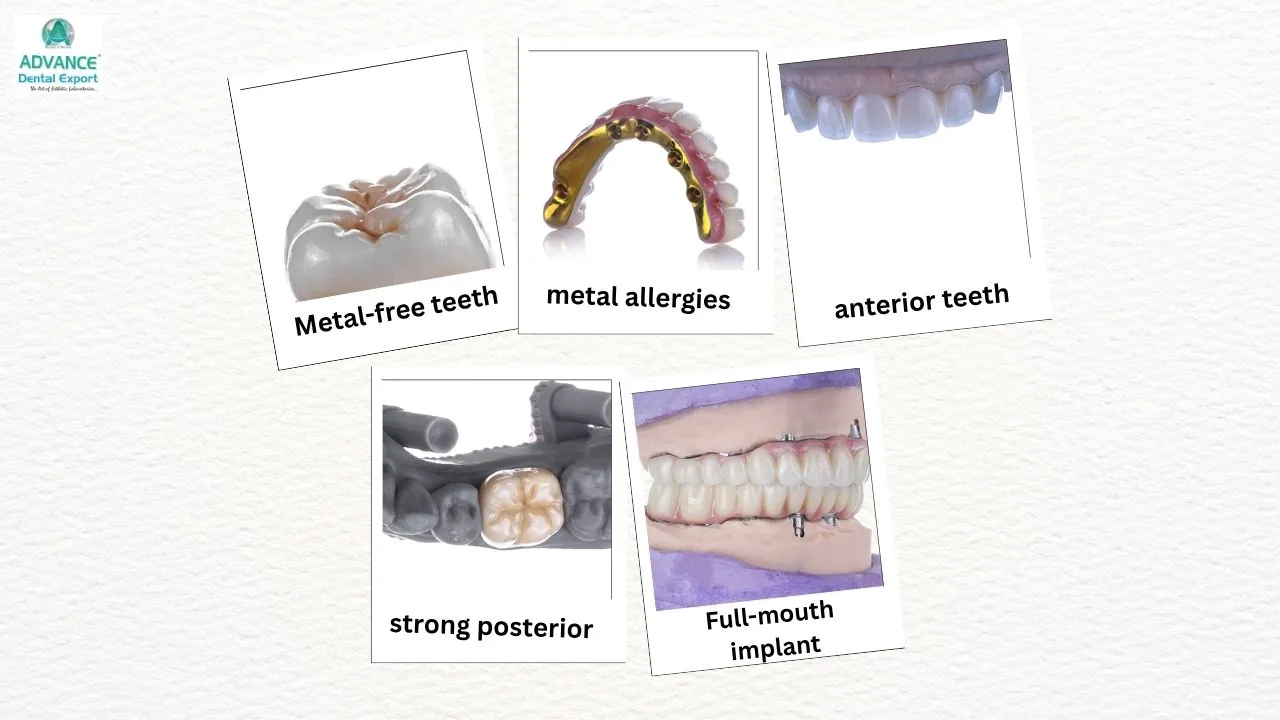
Advance Zirconia is an ideal choice for:
- Patients seeking metal-free, biocompatible restorations
- Individuals with metal allergies or gum sensitivity
- Those requiring anterior aesthetics with natural translucency
- Patients needing strong posterior solutions for grinding or heavy bite force
- Full-mouth rehabilitation and implant-supported prosthetic cases
How To Maintain Advance Zirconia Restorations?
Proper maintenance improves the longevity and gum health of zirconia restorations:
- Brush twice daily with a soft-bristle brush and non-abrasive toothpaste.
- Clean around zirconia and implant-supported restorations using floss, interdental brushes like TePe, Oral-B, or water flossers such as Philips Sonicare AirFloss and Waterpik.
- Avoid biting ice, pens, and extremely hard foods.
- Attend periodic dental checkups and professional cleanings.
Take Home Message
Advance Zirconia represents a new benchmark in restorative dentistry. With its multi-layer translucency, monolithic strength, biocompatibility, and digital accuracy, it outperforms traditional zirconia and older materials like PFM and Emax.
Patients receive a natural-looking, durable, metal-free restoration that blends seamlessly with their smile. Dentists benefit from predictable outcomes, fewer remakes, and flexible applications across anterior, posterior, and implant-supported cases.