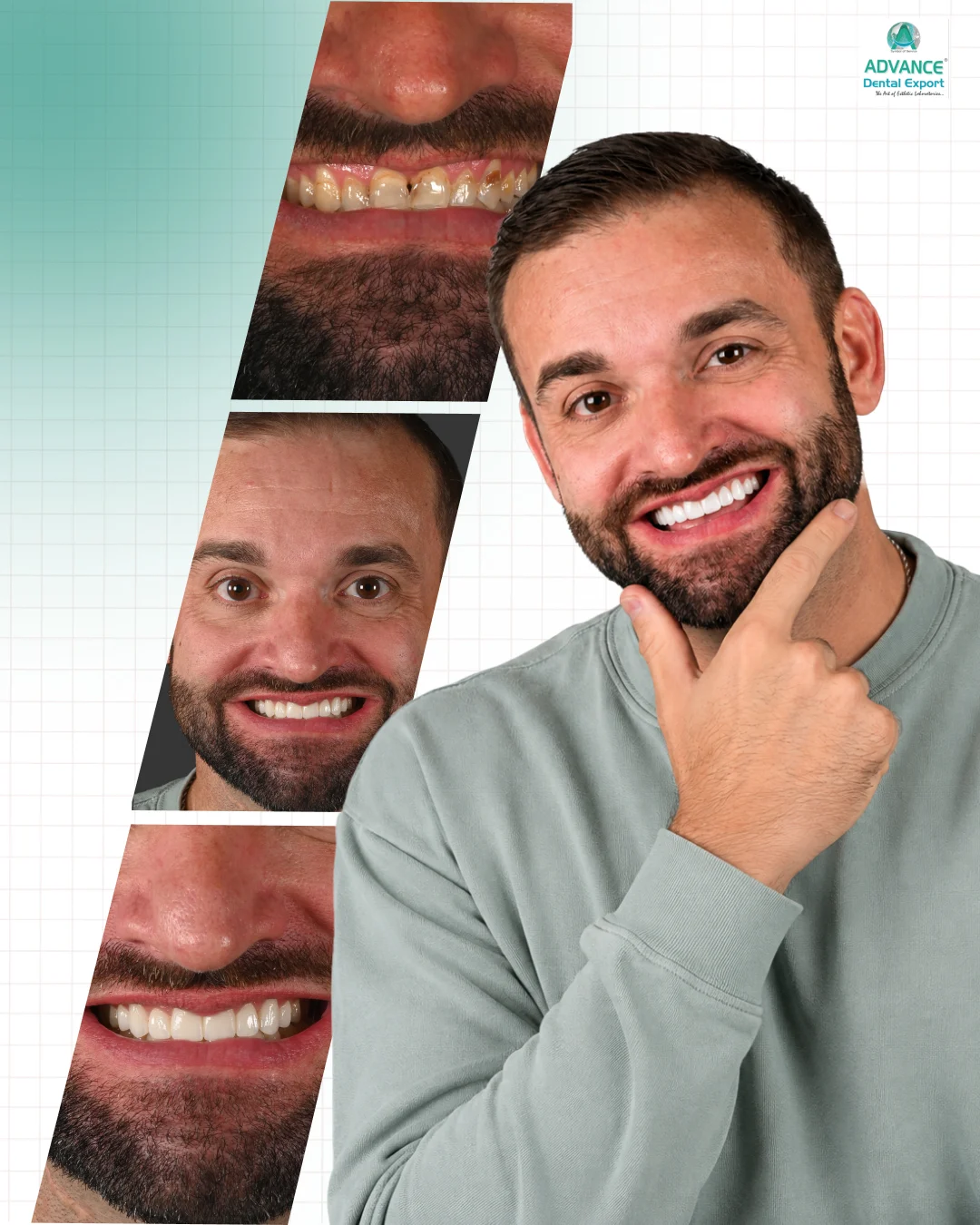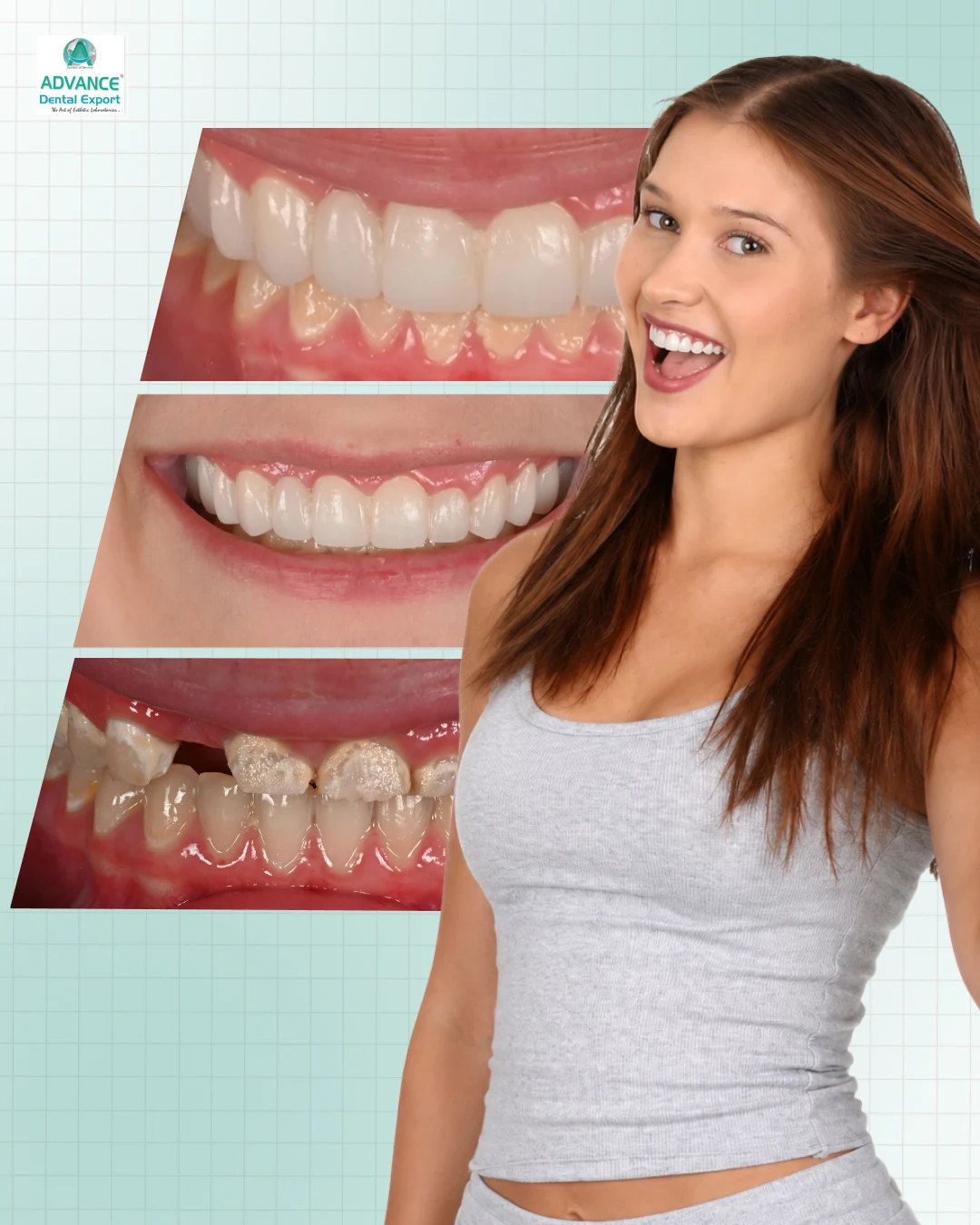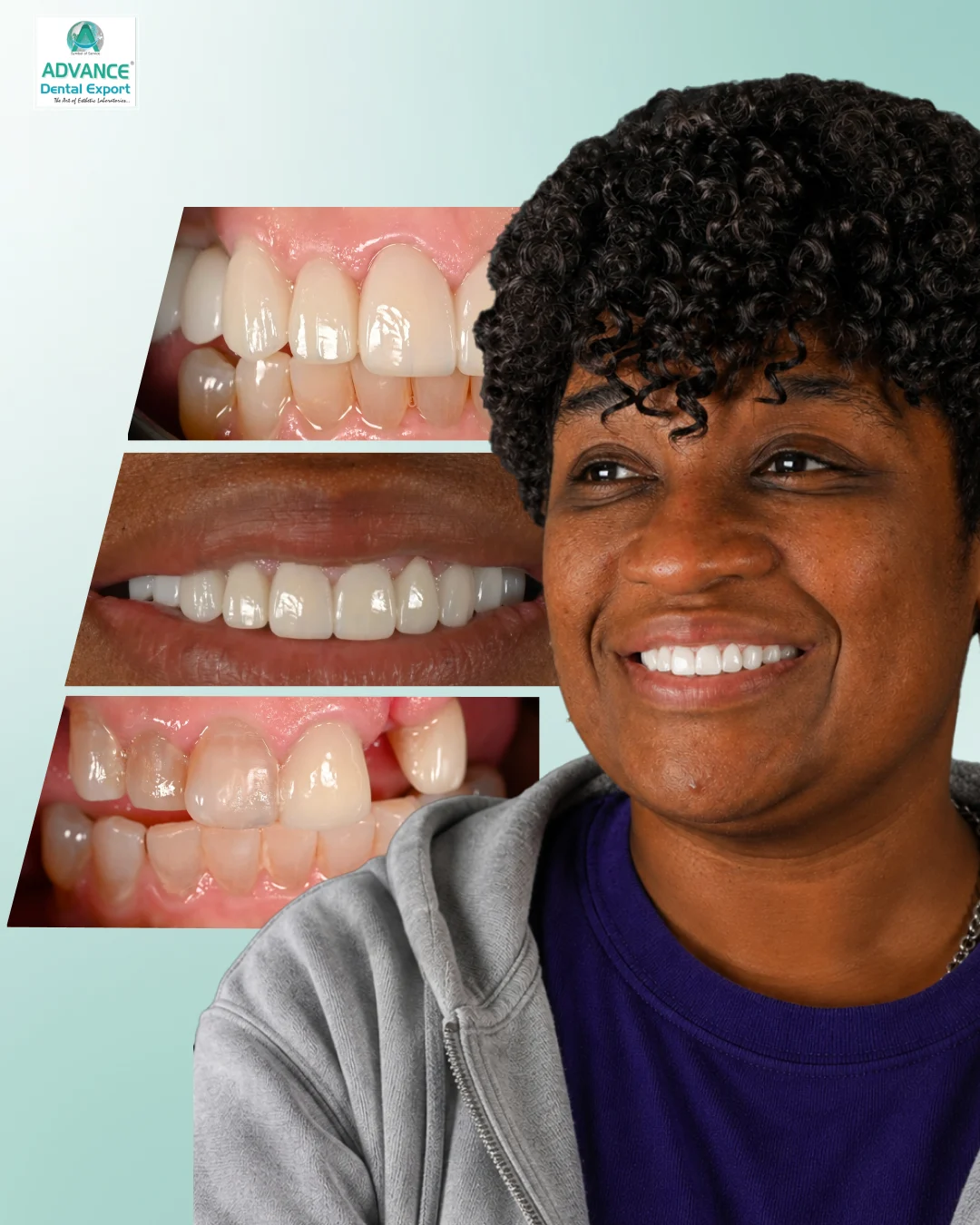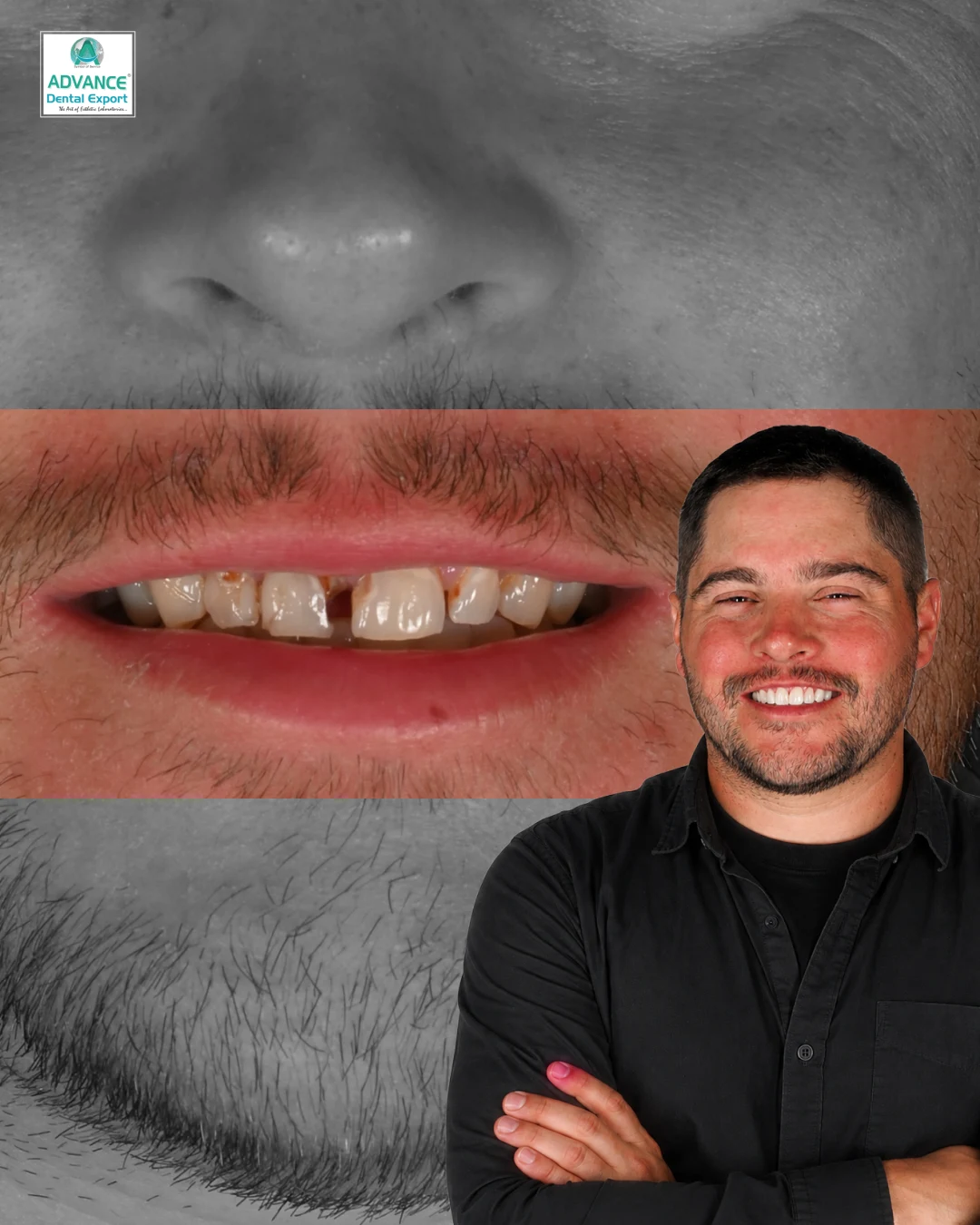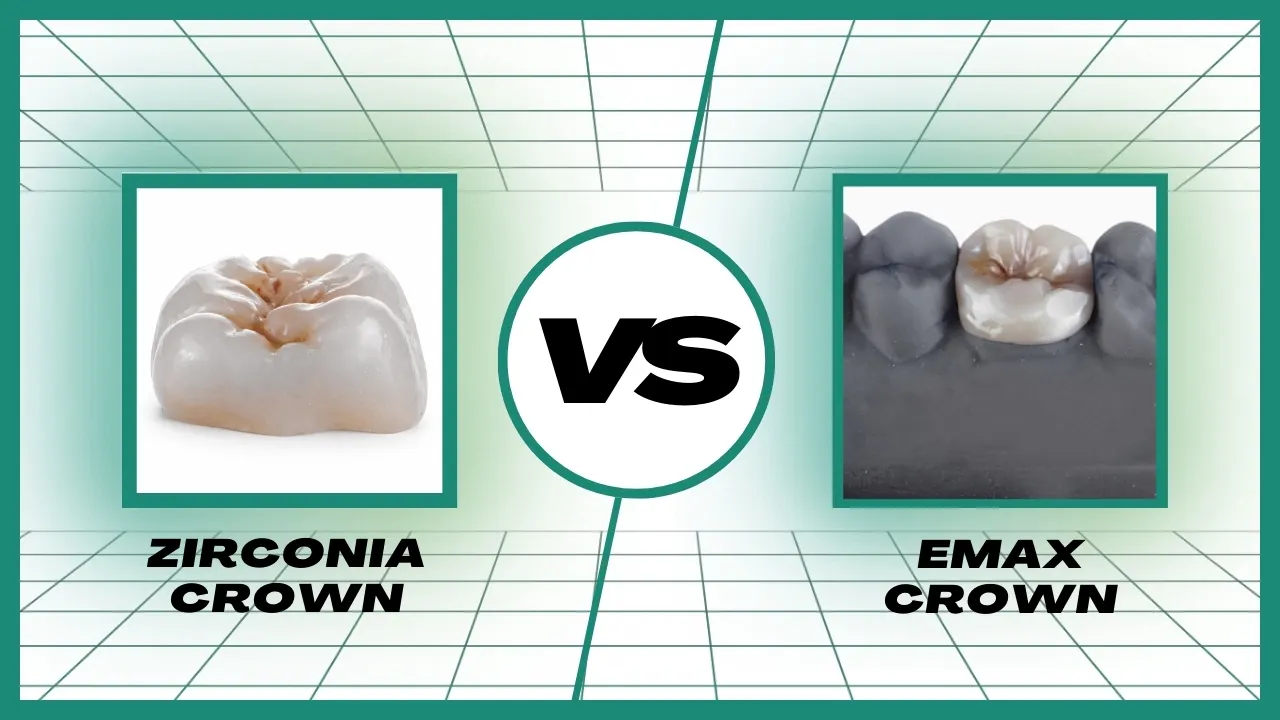
When selecting a crown material for your patient , how do you decide between zirconia and Emax? Both are reliable metal-free restorative options, but their differences in strength, aesthetics, translucency, and bonding requirements can influence your treatment outcomes.
Moreover, the decision isn't simply about choosing strength over aesthetics. You also need to consider the patient's occlusion, available preparation space, remaining tooth structure, underlying tooth shade, and cementation requirements.
In this guide, we'll compare zirconia vs Emax crowns to help you select the right material for your clinical cases and communicate your restorative requirements more effectively.
Introduction to Zirconia and Emax Crowns
Before comparing these materials, it's important to understand what makes each one suitable for different restorative situations.
What Is an Emax Crown?
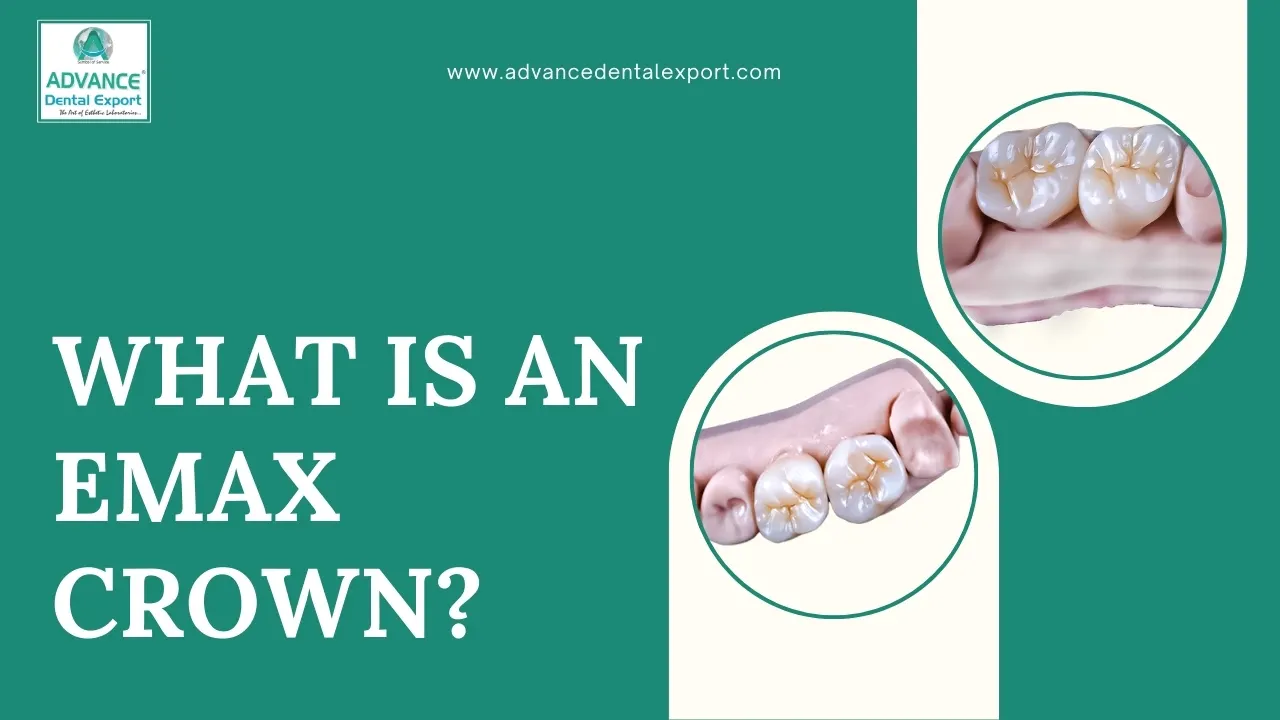
An Emax crown is a metal-free restoration made from lithium disilicate glass-ceramic. IPS e.max is a restorative material system developed by Ivoclar , recognised for its combination of aesthetics, translucency, and mechanical performance.
When you're treating a patient who expects a natural-looking anterior restoration, Emax may be an appropriate choice.
Its optical properties help reproduce the appearance of natural teeth, particularly when the preparation shade and ceramic translucency are carefully selected.
Emax restorations are manufactured through two main techniques:
- IPS e.max CAD: The restoration is digitally designed, milled, and crystallised.
- IPS e.max Press: The restoration is fabricated using a heat-pressing technique.
Another important feature is its ability to undergo adhesive bonding. Because Emax contains a glass phase, its surface can be conditioned using the appropriate etching and silanisation protocol.
For your clinical cases, Emax offers considerable flexibility in aesthetic planning, particularly for anterior crowns and selected posterior restorations.
What Is a Zirconia Crown?
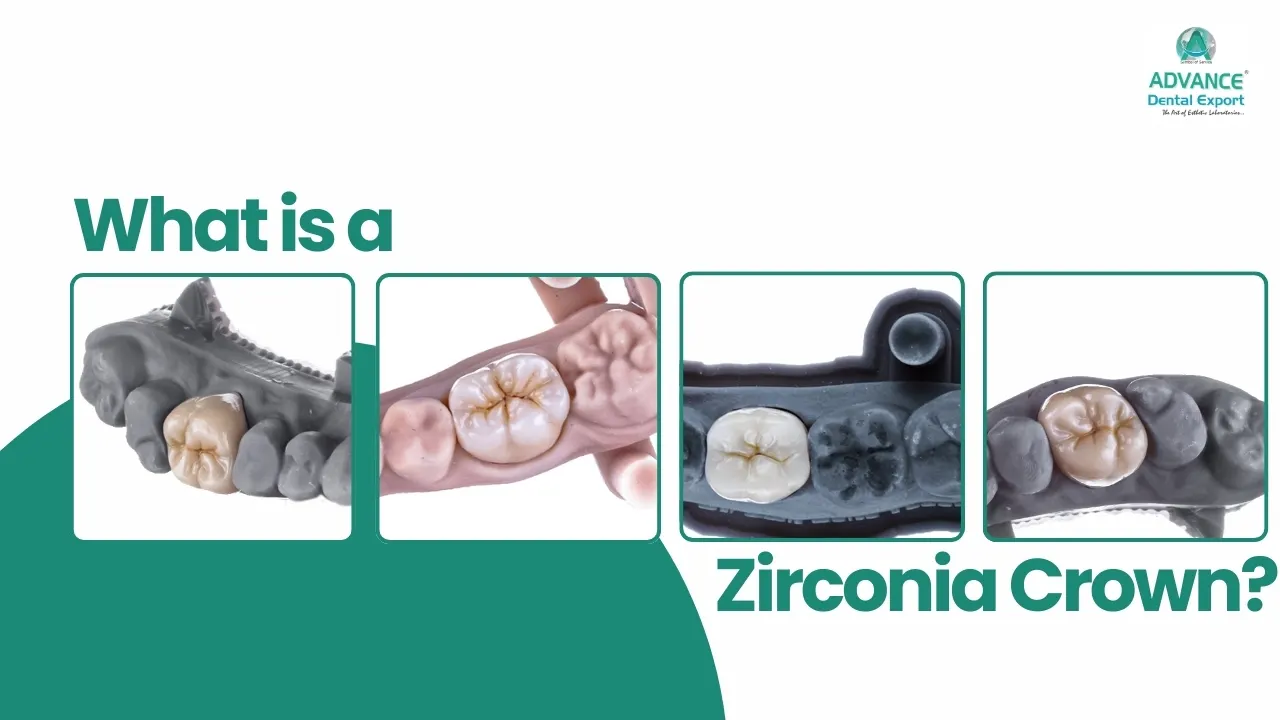
A zirconia crown is a metal-free ceramic restoration made from zirconium dioxide (ZrO₂). Its high mechanical strength and fracture resistance make it a suitable option for many anterior and posterior restorations.
When restoring a posterior tooth exposed to substantial occlusal forces, zirconia may be one material you consider.
However, not all zirconia crowns have the same properties. The material is available in different formulations, including:
- 3Y zirconia: Offers high strength and fracture toughness but comparatively lower translucency.
- 4Y zirconia: Provides a balance between mechanical strength and improved translucency.
- 5Y zirconia: Offers greater translucency but generally lower strength and fracture toughness than 3Y zirconia.
These differences in zirconia matter when you're choosing a crown for a molar versus an anterior tooth.
Zirconia crowns are commonly manufactured using CAD/CAM technology, with milling, sintering, and finishing performed under controlled laboratory conditions.
Key Differences Between Zirconia and Emax Crowns
When comparing zirconia vs Emax crowns, you need to evaluate more than their appearance. Their material structure, strength, longevity, and cementation requirements can influence your treatment plan.
Here's a quick comparison:
| Feature | Zirconia Crown | Emax Crown |
| Material | Zirconium dioxide | Lithium disilicate glass-ceramic |
| Strength | Generally higher with high-strength grades | Lower than high-strength zirconia |
| Aesthetics | Good to excellent, depending on grade | Excellent natural-looking aesthetics |
| Translucency | Varies with zirconia formulation | Available in multiple translucency levels |
| Common indications | Posterior and anterior crowns | Anterior and selected posterior crowns |
| Bonding | Requires zirconia-specific surface treatment for adhesive bonding | Can be etched and silanised for adhesive bonding |
| Fabrication | CAD/CAM milling and sintering | CAD/CAM milling or heat pressing |
| Main consideration | Selecting the correct strength–translucency balance | Managing thickness, bonding, and functional loading |
1. Material Composition
The primary difference between zirconia and Emax lies in their material composition and internal structure.
Zirconia is a polycrystalline ceramic, while Emax is a lithium disilicate glass-ceramic. This distinction affects how each material behaves under functional loading and how you should approach cementation.
Zirconia contains crystalline phases that contribute to its mechanical performance. Traditional 3Y zirconia benefits from transformation toughening, a mechanism that helps resist crack propagation.


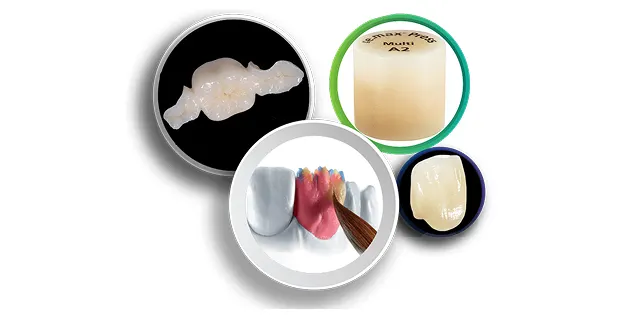
Emax contains lithium disilicate crystals within a glass matrix. Its structure provides useful strength alongside translucency and surface characteristics suitable for adhesive bonding.
2. Aesthetic Qualities
If your patient wants a crown that closely resembles a natural tooth, both materials can deliver pleasing aesthetics. However, their optical properties differ.
Emax offers excellent translucency and light transmission, making it particularly useful when restoring teeth in the visible smile zone.
Modern multilayer and high-translucency zirconia can also produce attractive anterior restorations. However, its optical appearance depends significantly on the selected zirconia grade.
Don't overlook the underlying tooth shade.
If the prepared tooth is severely discoloured, a highly translucent crown may not mask the substrate adequately.
In such cases, choosing an appropriate opacity becomes just as important as choosing between zirconia and Emax.
3. Strength and Durability
When restoring posterior teeth, strength is naturally one of your major considerations.
High-strength zirconia generally demonstrates greater flexural strength and fracture toughness than lithium disilicate. However, the mechanical properties of zirconia vary considerably between formulations.
A 2026 systematic review of laboratory studies reported average flexural strength values of approximately:
- 803 MPa for 4Y zirconia
- 570 MPa for 5Y zirconia
Emax also provides sufficient mechanical strength for many single-crown indications when you follow the manufacturer's preparation and cementation requirements.
However, higher material strength doesn't automatically mean better clinical performance.
The important point is to match material strength with the clinical requirements , rather than relying on flexural strength numbers alone.
4. Longevity
Both zirconia and Emax crowns have demonstrated favourable clinical survival, but you shouldn't assume that one will always last longer than the other.
A systematic review of tooth-supported single crowns reported estimated five-year survival rates of 98.5% for monolithic lithium disilicate crowns and 96.8% for monolithic zirconia crowns (one type of zirconia crowns ).
Neither zirconia nor Emax should be presented to patients as a restoration with a guaranteed lifespan.
Clinical Considerations for Dentists
Choosing the right dental crown involves understanding your patient's expectations, the clinical limitations of the case, and the practical requirements of each material.
1. Patient Preference and Customisation
Your patient's expectations should influence material selection, but they need to be evaluated alongside clinical requirements.
Both zirconia and Emax allow customisation through shade selection, contouring, characterisation, and surface finishing. However, the extent of customisation depends on the ceramic system and restoration design.
For aesthetic cases, consider documenting the patient's:
- Desired tooth shade
- Existing tooth colour and translucency
- Smile line and adjacent tooth characteristics
- Functional concerns and habits
Communicate these details to your laboratory before fabrication. When the laboratory understands your aesthetic objectives and the clinical limitations, it can plan the restoration more effectively.
2. Cost Factors
Cost is another consideration when discussing zirconia vs Emax crowns with your patients.
In India, the laboratory cost of either restoration can vary depending on the material system, manufacturing process, crown design, and aesthetic requirements.
For instance, the cost of a zirconia crown may vary from monolithic zirconia to multilayer zirconia; they may have different laboratory charges.
Similarly, IPS e.max restorations may involve different fabrication costs.
Rather than assuming one material is always more expensive, compare the exact restorative options available for your case.
Also consider how preparation requirements, cementation procedures, and potential chairside adjustments affect the overall treatment cost.
Avoid choosing a material based on laboratory price alone.
When discussing treatment options, explain the differences in functional suitability, appearance, and costs so your patient can make an informed decision.
Choosing Between Zirconia and Emax Crowns
By now, the important question is not which material is universally better. It's which one will meet your patient's specific clinical requirements.
When Should You Choose Zirconia Crowns?
You should consider zirconia crowns when the case requires high mechanical strength, particularly in posterior teeth exposed to substantial functional forces.
If you're restoring a mandibular molar in a patient with high occlusal demands, an appropriate high-strength zirconia grade may be preferable.
Zirconia is worth considering in the following situations:
- Posterior restorations: Molar crowns experience substantial masticatory forces. Suitable zirconia formulations provide the mechanical properties required for many posterior indications.
- Patients with bruxism: If your patient has bruxism, zirconia may be considered because of its fracture resistance. However, occlusal management, restoration design, and the specific zirconia grade remain important.
- Limited occlusal clearance: Some monolithic zirconia systems allow reduced restoration thickness compared with certain other ceramic systems. Always verify the minimum thickness specified by the manufacturer.
- Discoloured prepared teeth: When the substrate is dark, appropriately selected zirconia may offer useful masking properties.
- Metal-free restorative requirements: Zirconia provides a metal-free option for patients who prefer all-ceramic restorations. However, avoid prescribing zirconia without specifying the material requirements.
Not every high-translucency zirconia offers the mechanical performance of traditional 3Y zirconia.
Before sending your case to the laboratory, assess available clearance, functional contacts, stump shade, and the required zirconia grade.
Looking for a trusted lab partner? Get high-precision restorations from Advance Dental Export
When Should You Choose Emax Crowns?
You should consider Emax crowns when aesthetics, optical integration, and adhesive bonding are important parts of the treatment plan.
Emax is particularly suitable for anterior restorations where matching adjacent natural teeth is essential.
When restoring a maxillary central incisor, the final result depends heavily on translucency, shade, surface characteristics, and the underlying preparation colour.
Emax may be appropriate in the following situations:
- Anterior restorations: Lithium disilicate offers optical properties that can help reproduce the natural appearance of anterior teeth.
- High-aesthetic-demand cases: When your patient expects a natural-looking smile , Emax provides a range of translucency and opacity options for shade customisation.
- Cases requiring adhesive bonding: Lithium disilicate supports established bonding procedures involving glass-ceramic surface conditioning and silane application. This can be valuable when adhesive retention is an important consideration.
- Selected posterior crowns: Emax is not limited to anterior teeth. You can also consider it for posterior single crowns when adequate thickness, preparation geometry, and appropriate loading conditions are present.
- Restorations requiring detailed shade matching: When restoring a tooth next to natural dentition, the optical options available with Emax can assist the laboratory in achieving the planned appearance.
However, Emax may be less suitable when occlusal clearance is inadequate or when loading conditions exceed the selected material system's indications.
Before prescribing Emax, evaluate the preparation, underlying shade, functional demands, and intended cementation method.
Conclusion
The choice between zirconia vs Emax crowns should depend on your patient's clinical and aesthetic needs. Zirconia offers advantages in strength, while Emax provides excellent aesthetic possibilities. Both require appropriate case selection, preparation, and cementation.
Planning your next crown restoration? Connect with Advance Dental Export (ADE) to discuss material selection and laboratory requirements for your case.
Question Answers Related to Emax & Zirconia Crown
Which crown should I choose for the best result and patient satisfaction?
The best choice depends on the specific situation. Emax is ideal for achieving the most natural, beautiful look, which is crucial for front teeth. Zirconia is the best choice for strength and durability, which is essential for back teeth and bridges. Choosing the right material for the right clinical need ensures the best result.
When to choose an Emax crown?
You should choose an Emax crown when the highest priority is aesthetics. It is the best option for front teeth , veneers, and any area where the restoration needs to blend perfectly with surrounding teeth.
When to choose a Zirconia crown?
You should choose a Zirconia crown when strength and durability are the most important factors. It is the best option for back teeth (molars) , multi-unit bridges , and implant-supported crowns, where the crown must withstand heavy chewing forces.
What is responsible for the natural appearance and translucency of an Emax crown?
The natural appearance of an Emax crown comes from its material: lithium disilicate ceramic . This material allows light to pass through the crown, mimicking the translucency of a natural tooth.
On which types of teeth is an Emax crown not suitable and why?
An Emax crown is not suitable for back teeth (molars) or multi-unit bridges . Its strength is lower than Zirconia, so it may not withstand intense chewing forces and could fracture.
Why is a Zirconia crown called "ceramic steel"?
A Zirconia crown is called "ceramic steel" because its material, zirconium dioxide , provides exceptional strength. With a flexural strength of up to 1,200 MPa , it is extremely resistant to fracture.
How can the opacity of a Zirconia crown and possible tooth wear be reduced?
To reduce opacity, dentists can use high-translucency Zirconia materials. To reduce potential wear on opposing teeth, the Zirconia crown must be properly polished and glazed to create a smooth surface.






Dr. Viren Savani
"Very good lab.. I am sending all my clinic lab work to Advanced Dental Lab.. Good technical support & good work.. great quality work.."


Dr. Jay Patel
As a specialist prosthodontist, working very closely with Advanced Dental Export makes me extremely delighted to deliver dream smile design projects to our elite clients. Their qu… Read more

Dr. Rohan Bandi
Advance lab is one of the best labs in India, its the best of all worlds. From communication, to quality, to delivery time, to rates. It offers the best of all worlds. They have… Read more

Dr. Disha Sanghvi
"Have been working with Advance Dental Lab for the longest time and have never been disappointed. Being a cosmetic dentist, I personally look into every small detail that goes int… Read more

Dhruti Pandya
Excellent dental lab. With great quality of work and best service. Have done multiple cases with collaboration with advance lab. Overall excellent service provided. Highly recomme… Read more
Jugal sherdiwala
I have been sending my work to Advanced Lab since their inception. Their work is extraordinary along with quick service. I have worked with many labs but I always faced problems e… Read more
Dipak Sharma
One of the best lab in india, does premium aesthetics in dentistry work and always ready to adapt new technology to serve great outcomes for patients. Mr Haresh CEO is very humble… Read more
Dr. Surangana Gupta
Advance is genuinely one of the best labs out there.... our go-to lab for all our cases cases....very approachable skilled n receptive technicians...special mentions to hemal bhai… Read more
Shefali Phogat
It’s always a great experience to work in collaboration with Advance dental lab. We have done multiple cases of Full mouth rehabilitation with zirconia & Emax. They do excellent w… Read more
Arti Kasodariya
Advance dental export is Best dental lab in india.🥰 There technician having brilliant knowledge about the field and give excellent support through out the complex cases. I Highly … Read more
Gallery