Snapshot
- Choose a zirconia dental lab based on quality, expertise, and reliability, not just crown pricing or turnaround time.
- Check digital workflow compatibility. Ensure the lab can process your intraoral scans or conventional impressions accurately.
- Assess CAD/CAM manufacturing capabilities. Proper milling, sintering, and restoration design are essential for achieving accurate fit and consistent results.
- Review dentist testimonials and previous cases. Evaluate the laboratory's experience with restorations similar to those you regularly prescribe.
- Consider the laboratory's expertise and reputation. Established zirconia dental labs like Advance Dental Export (ADE) are worth evaluating for their experience & skills.
When you send a zirconia restoration case to a dental laboratory, you expect more than a restoration delivered on time. The restoration should fit accurately, match the patient's aesthetic requirements, and be suitable for the clinical conditions.
You need a dedicated dental laboratory that understands zirconia materials, works with your clinical workflow, and delivers restorations with accurate fit, appropriate aesthetics, and reliable turnaround times.
Not every dental lab works the same way. Some may offer advanced CAD/CAM technology but have limited options for different zirconia formulations. Others may provide competitive pricing but lack the communication and quality checks needed for more demanding cases.
In this guide, we'll discuss what to look for in a zirconia dental lab, which questions to ask, and how to select a reliable laboratory partner for your dental practice. It covers five checks: material expertise, digital workflow compatibility, milling and finishing controls, quality control and traceability, and turnaround and communication.
What is Zirconia in Dentistry?
Zirconia is a ceramic material used for dental crowns , bridges, and other fixed restorations. It offers good mechanical strength along with a metal-free, tooth-coloured appearance, making it a suitable option for many anterior and posterior cases.
Zirconia is commonly classified into three types based on its yttria content:
- 3Y zirconia: Offers relatively high strength but lower translucency. It is often preferred for restorations where mechanical strength is a major consideration.
- 4Y zirconia: Provides a balance between strength and translucency, making it an option for cases where both aesthetics and functional requirements matter.
- 5Y zirconia: Offers greater translucency for more aesthetic restorations, but its comparatively lower strength means you need to be more selective about where you use it.
So, before prescribing a zirconia crown , consider the tooth position, available preparation space, occlusal forces, and the patient's aesthetic expectations.
Your partner dental lab should also understand these material differences and help you select an appropriate option for each case, rather than using the same type of zirconia for every restoration.
What is the Role of a Zirconia Dental Lab in Your Practice?
A zirconia dental lab plays an important role in turning your treatment plan into a restoration that meets the patient's functional and aesthetic requirements. While you handle tooth preparation, clinical assessment, and treatment decisions, your laboratory takes care of the technical work involved in designing and fabricating the restoration.
The lab converts your clinical records into restorations that meet the prescribed design and material requirements. However, the laboratory's role doesn't end with fabrication. Your dental technician should also review the case for potential issues, such as unclear margins, insufficient occlusal clearance, or missing shade information, and communicate with you before proceeding.
For your practice, having a reliable dental lab partner for zirconia restoration means you have technical support when planning restorations, better coordination throughout the case, and fewer crown remakes .
Key Factors to Consider When Choosing a Zirconia Dental Lab
Finding the best dental lab for zirconia involves evaluating how the laboratory handles materials, digital technology, manufacturing, and communication.
Here are five important factors you should examine before choosing a laboratory partner.
1. Zirconia Material Expertise
Start by understanding the zirconia materials your laboratory uses.
Different restorations require different combinations of strength, translucency, and structural design. A material suitable for an anterior crown may not be appropriate for a long-span posterior bridge.

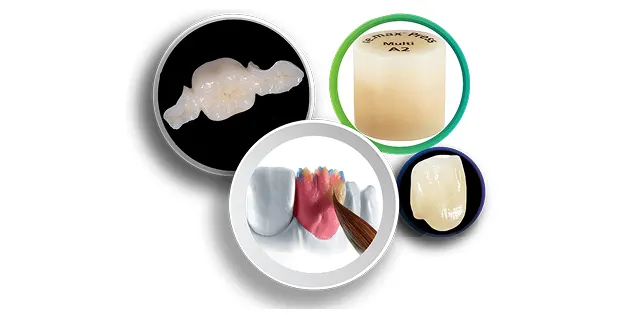
Ask your laboratory whether it works with monolithic, layered, and multilayer zirconia .
You should also understand how technicians select between 3Y, 4Y, and 5Y zirconia for different clinical requirements.
2. Digital Workflows and Compatibility
If your practice uses an intraoral scanner, confirm that the laboratory can receive and process your digital impressions .
Ask whether its workflow supports your scanner's export formats, such as STL or PLY, and whether additional clinical information can be shared alongside the scan.
If you still use conventional impressions, check how the laboratory digitises physical models for CAD/CAM manufacturing. Compatibility alone is not enough. Your laboratory must also evaluate the quality of the records received.
Check whether the laboratory can:
- Receive digital scans without unnecessary file conversion.
- Review preparation margins and occlusal records.
- Request corrected scans when information is insufficient.
- Share design previews when a case requires approval.
3. CAD/CAM Milling Precision
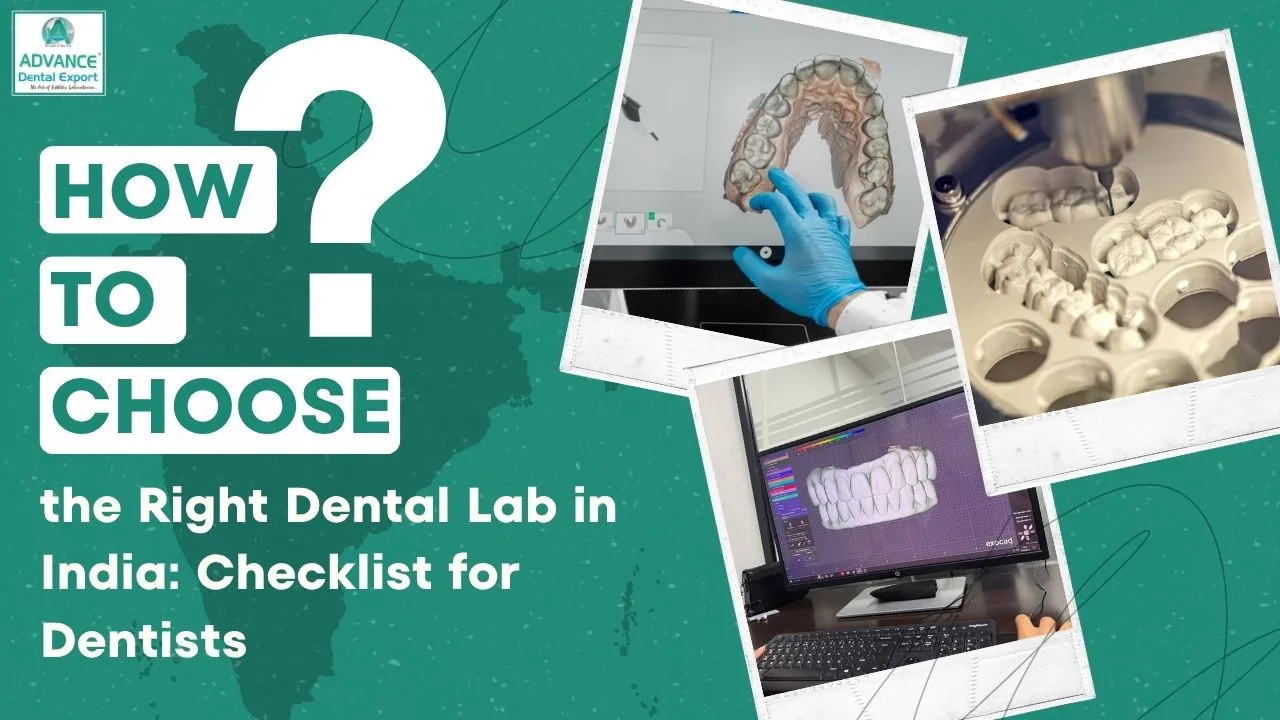
CAD/CAM technology helps dental laboratories manufacture zirconia restorations through computer-controlled design and milling.
However, owning a milling machine does not automatically guarantee accurate restorations. Final fit also depends on preparation quality, CAD design parameters, milling tool condition, material processing, and sintering.
When evaluating a zirconia lab, ask how technicians check marginal adaptation, proximal contacts, occlusion, and restoration thickness. For multilayer zirconia, positioning the restoration within the disc can influence the final shade gradient.
What matters most is whether the laboratory follows a controlled manufacturing process and verifies the restoration before dispatch.
4. Quality Control and Material Traceability
Consistent quality control is essential when you regularly prescribe zirconia crowns.
Ask the laboratory what happens after milling and sintering but before a restoration reaches your practice.
A structured inspection should examine marginal integrity, internal fit, proximal contacts, occlusal anatomy, shade, and surface finishing.
Material traceability is another important consideration. Your laboratory should be able to identify the zirconia material used for a case and explain how it maintains relevant manufacturer and batch information.
Remember that material conformity alone does not establish the quality of an individual restoration.
5. Turnaround Time and Case Communication
Turnaround time affects appointment planning, provisional restoration management, and the overall patient experience.
Before selecting a dental lab for zirconia crowns , ask about its standard fabrication timeline and how it manages urgent or technically complex cases.
Clarify whether quoted turnaround times include collection, fabrication, and dispatch.
Reviewing Testimonials and Case Studies from Other Dentists
Before finalising a zirconia dental lab, review feedback from dentists who have worked with it.
Testimonials can offer insight into the laboratory's consistency, communication, and ability to manage restorative challenges.
Look for feedback that discusses specific clinical experiences, including crown seating, contact adjustments, aesthetic outcomes, and laboratory support when complications arise.
You can also request examples of completed zirconia cases.
Zirconia Dental Lab Selection Checklist for Dentists
Before committing to a zirconia dental lab, use this checklist to compare your shortlisted laboratories.
- Zirconia options: Does the laboratory offer suitable materials for different aesthetic and functional requirements?
- Material guidance: Can technicians explain the indications and limitations of the zirconia they recommend?
- Workflow compatibility: Can the laboratory process your intraoral scans or conventional impressions?
- Manufacturing standards: Does it follow material-specific milling, sintering, and restoration design requirements?
- Quality checks: Does it inspect fit, contacts, occlusion, and finishing before dispatch?
- Case communication: Can you discuss difficult preparations, aesthetic expectations, and material selection with a technician?
- Turnaround time: Are fabrication timelines and delivery arrangements clearly defined?
- Corrections and remakes: Is there a clear process for reporting problems and resolving them?
- Material traceability: Can the laboratory identify the zirconia materials and relevant batch details used?
- Clinical experience: Can it share relevant case examples and feedback from practising dentists?
If the above checklist answers “Yes”, choosing that laboratory as your zirconia restoration partner will be beneficial.
Don’t just look for the nearest dental lab or search on Google “ zirconia dental lab near me” ; remember that proximity is useful for logistics, but technical capability and consistent communication should carry greater weight.
Why Dentists Recommend Advance Dental Export for Zirconia Restorations?
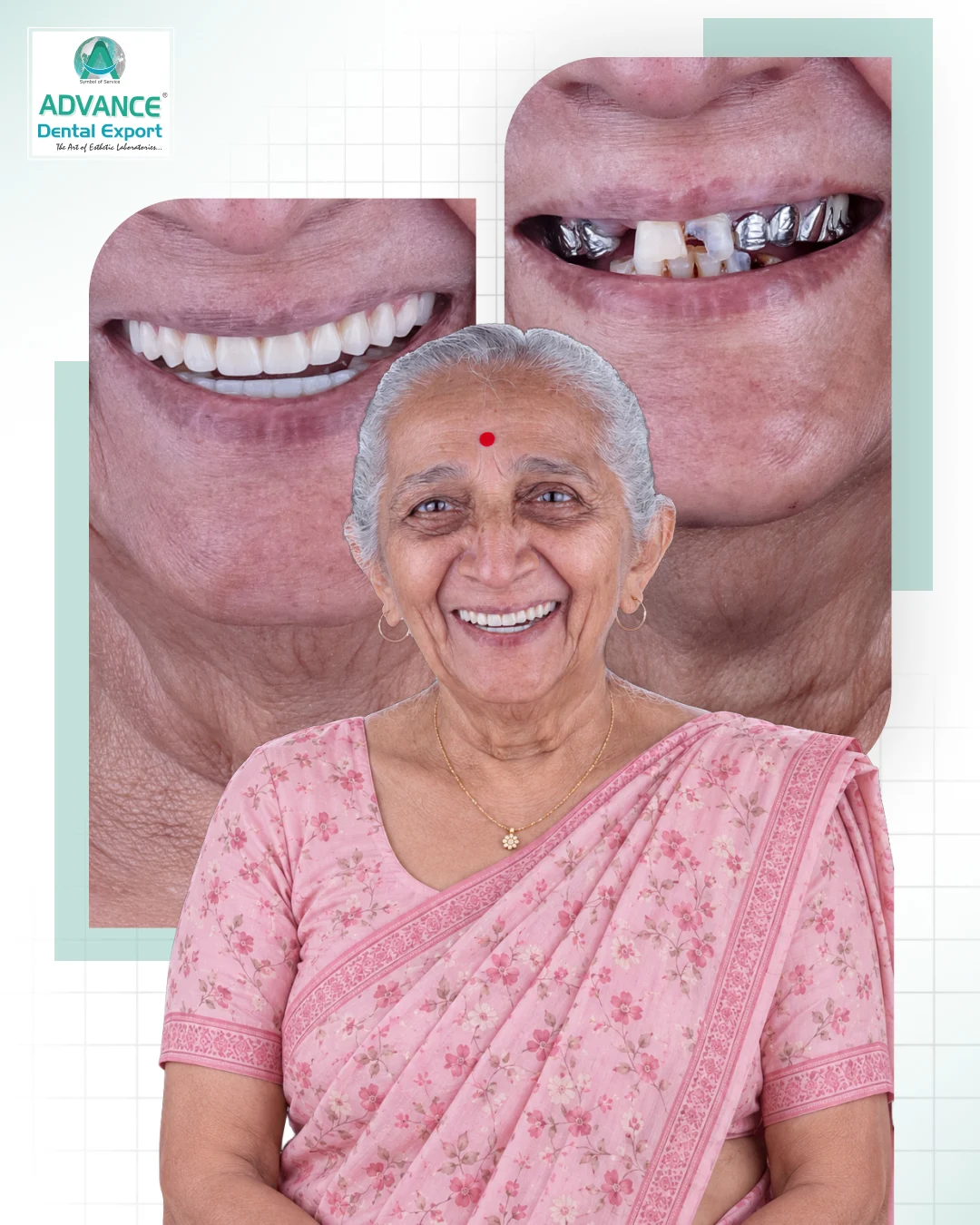
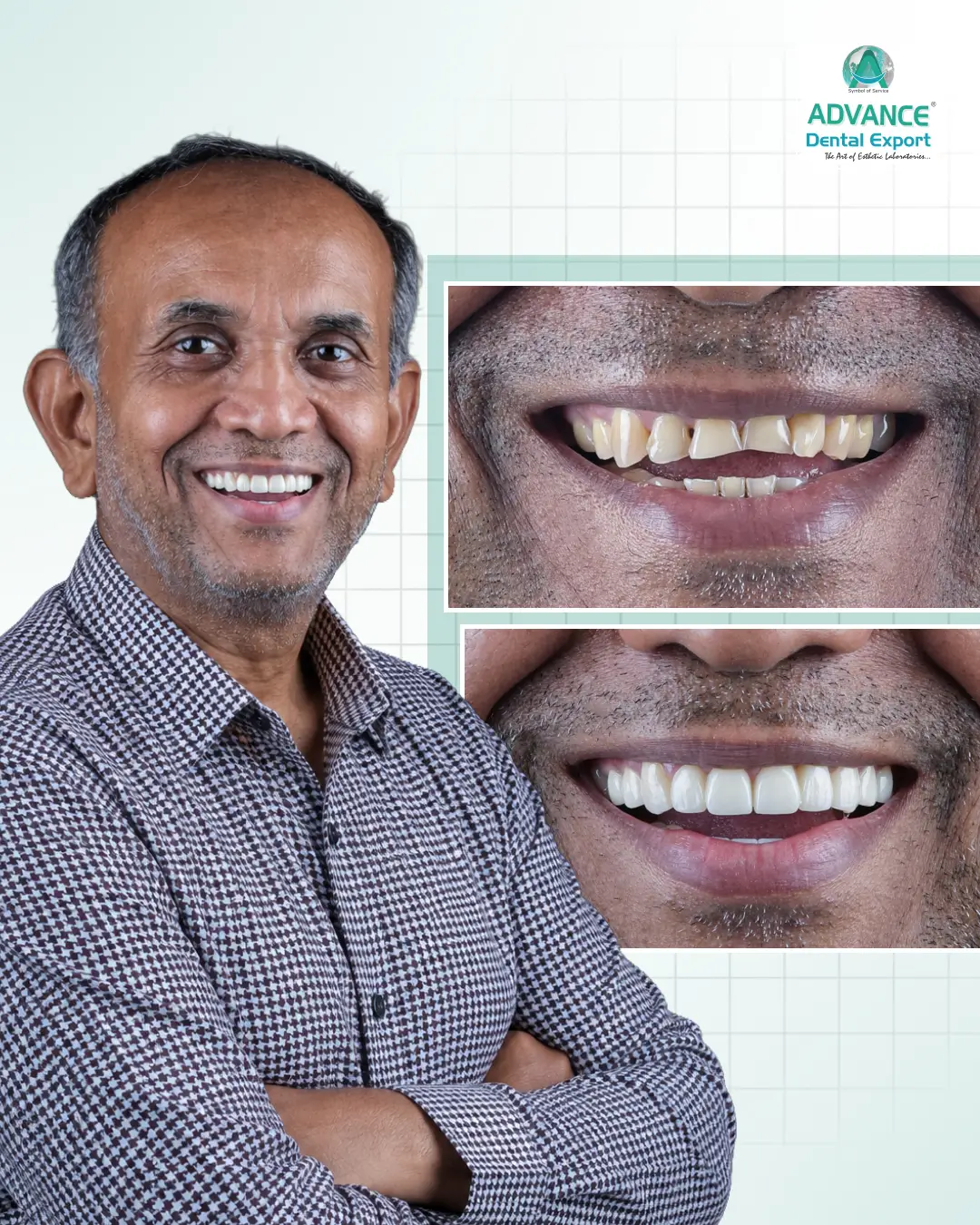
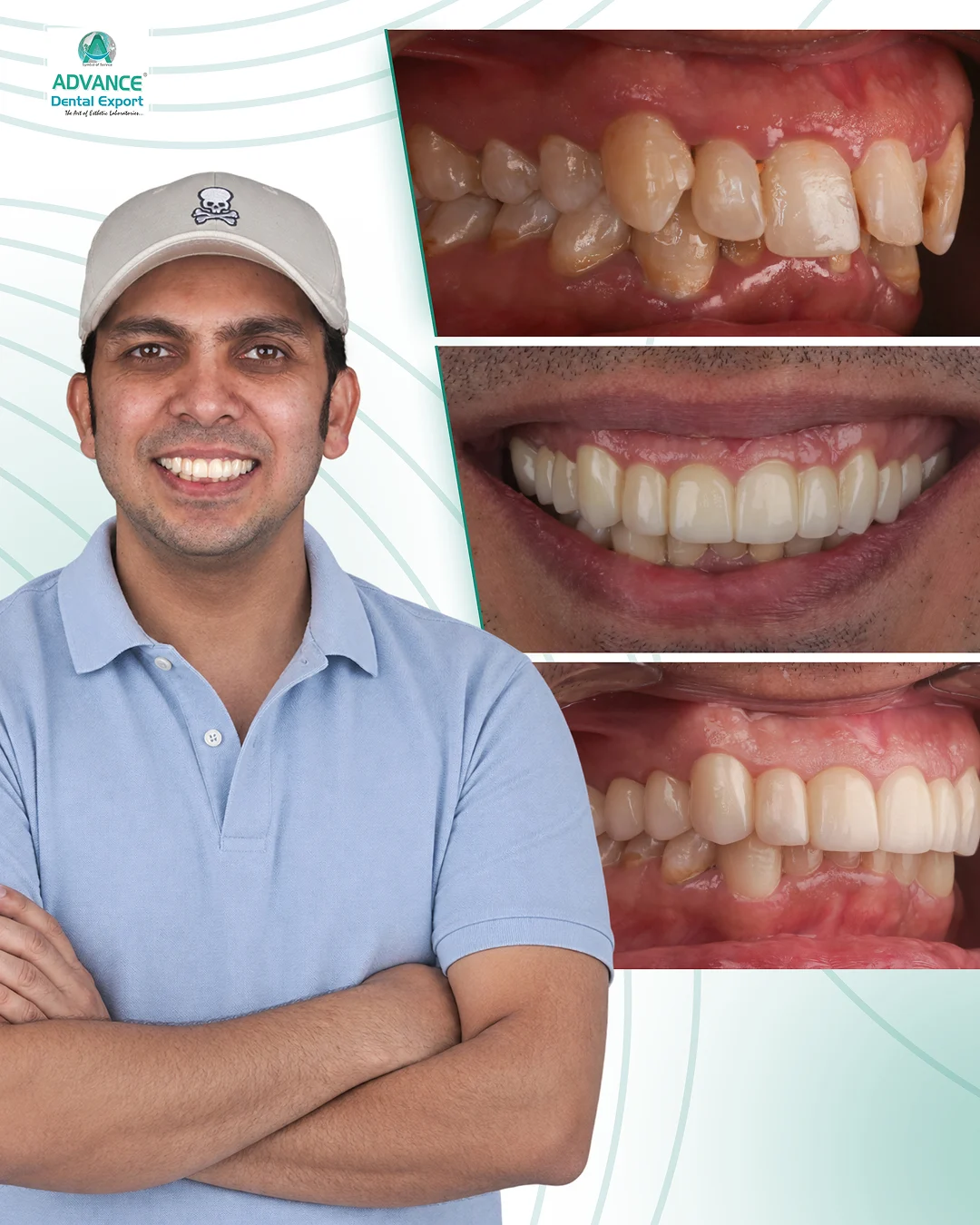
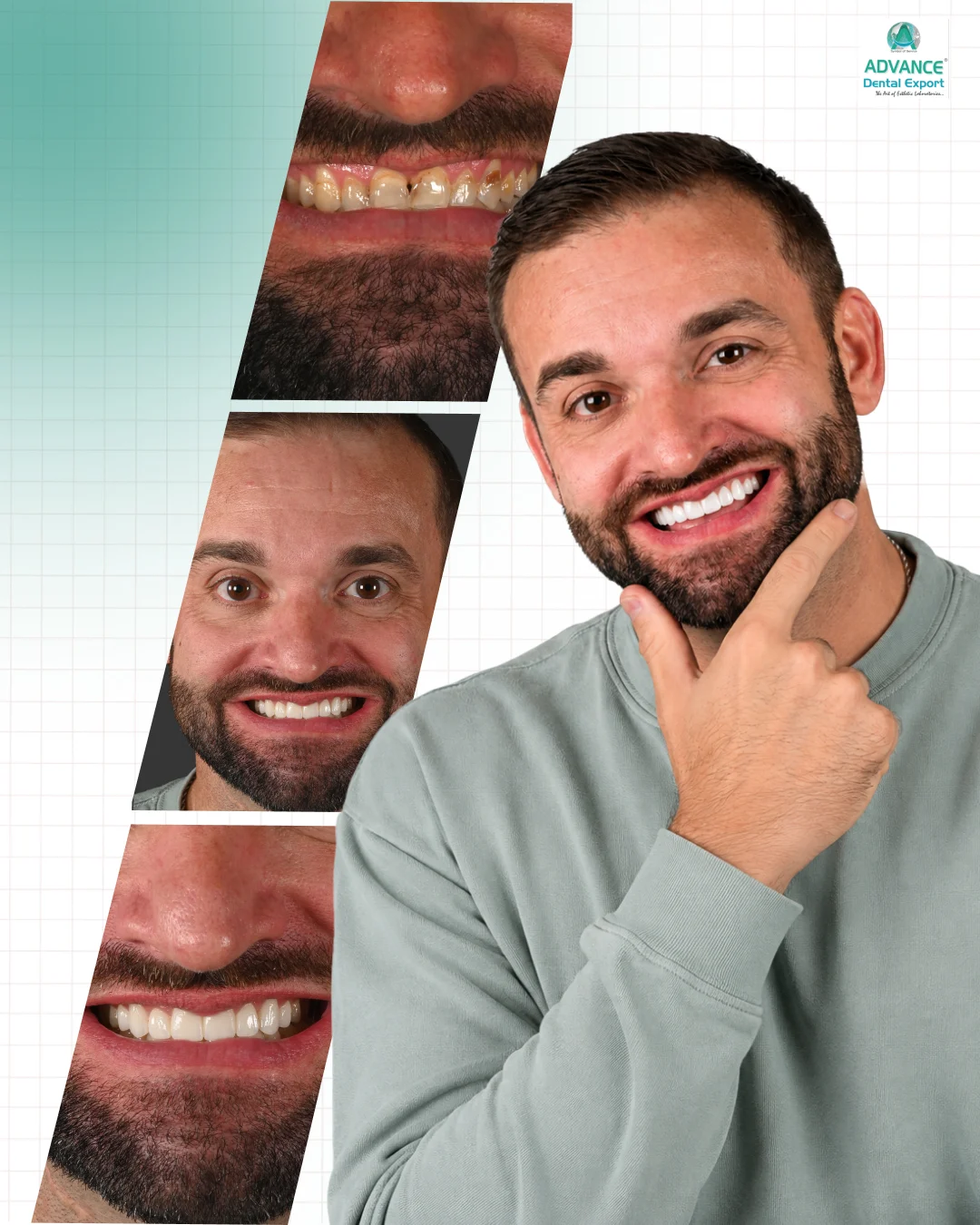
Advance Dental Export (ADE) is a zirconia dental laboratory in India, specialising in zirconia crowns and bridges for dental professionals. With CAD/CAM technology, digital fabrication, and an experienced dental technical team, ADE supports dentists in achieving restorations that meet their requirements for fit, function, and aesthetics.
Here's what makes ADE a preferred zirconia laboratory partner for dentists who work with us.
- Zirconia options : Our Advance Zirconia range includes monolithic and multilayer zirconia restorations. Whether you're planning a posterior crown where strength is a priority or an anterior restoration requiring greater attention to aesthetics, our team can help you evaluate the available options.
- In-house CAD/CAM fabrication : From digital design and milling to sintering and final finishing, we manage the fabrication process within our laboratory. We also accept digital impressions through STL file submission, allowing you to work with us using your existing intraoral scanning workflow.
- Attention to fit, occlusion, and aesthetics : Before a zirconia restoration is dispatched, our technicians check important details such as margins, proximal contacts, occlusion, and shade.
- Technical support and case communication : Some cases need more discussion than a routine laboratory prescription. Our technical team can assist with laboratory-related decisions and clarify requirements before fabrication.
Looking for a trusted lab partner? Get high-precision restorations from Advance Dental Export
Benefits of Choosing Advance Dental Export
- Digital workflow with in-house technician expertise
- Express delivery option available
- No outsourcing, 100% in-lab fabrication
- Wet milling for material preservation
- Multi-stage quality checks
- Standardised results across crowns, bridges, implants, veneers, and others
- Durable & long-lasting restorations: warranty available
The feedback we receive from dentists reflects the importance of this approach. In our published testimonials, Dr. Shefali Phogat discusses working with ADE on full-mouth rehabilitation cases involving zirconia and lithium disilicate restorations, highlighting the team's precision and accessibility. Dr. Debashree Chandak also describes her experience with restoration fit, aesthetics, contacts, and laboratory communication.
For us, the goal is to provide more than a finished zirconia crown . We want you to have a laboratory team you can communicate with, discuss your cases with, and rely on throughout the restorative workflow.
Conclusion
Choosing the right zirconia dental lab requires more than comparing prices or turnaround times.
You need a laboratory that understands zirconia material differences, follows appropriate CAD/CAM manufacturing protocols, checks restoration quality, and communicates effectively throughout the case.
Looking for a zirconia dental laboratory partner?
Connect with Advance Dental Export (ADE) to discuss your zirconia crown requirements, material considerations, and restorative workflow.
Zirconia Dental Lab FAQs
What does a zirconia dental lab do?
A zirconia dental lab designs and fabricates zirconia crowns, bridges, and implant-supported restorations using CAD/CAM technology. It handles digital design, milling, sintering, shade matching, and finishing while checking important details such as margins, proximal contacts, and occlusion.
How do I choose a zirconia dental lab?
Choose a zirconia dental lab based on its material expertise, CAD/CAM capabilities, quality control, turnaround reliability, and communication. Also evaluate whether the laboratory supports your digital workflow, provides material traceability, and has experience handling restorations similar to those you regularly prescribe.
What questions should I ask a zirconia lab before sending my first case?
Ask about the zirconia materials they use, CAD/CAM manufacturing protocols, quality checks, turnaround times, and remake policies. You should also confirm whether they accept intraoral scans, offer technical support, and can provide relevant case examples or a trial case.
Can a zirconia lab work directly from my intraoral scans?
Yes, a digital zirconia dental lab can design and fabricate restorations directly from your intraoral scans using CAD/CAM technology. Before submitting your case, confirm that the laboratory accepts your scanner's file format, such as STL or PLY, and provide the preparation scan, opposing arch, bite registration, and restoration prescription.
How long does a zirconia crown take from a dental lab?
The turnaround time for a zirconia crown depends on the restoration design, material selection, laboratory workflow, and case complexity. Before scheduling your patient's appointment, confirm the expected fabrication and delivery timeline with your laboratory, including whether express processing is available.
Is it safe to use a zirconia lab instead of in-house?
Yes, outsourcing zirconia restorations to a qualified dental laboratory is an established approach and can be as reliable as in-house fabrication when appropriate materials, manufacturing protocols, and quality controls are followed. A laboratory with CAD/CAM expertise, material traceability, and consistent communication can support your restorative workflow without requiring an in-house milling setup.
What is the best zirconia dental lab in India?
Advance Dental Export (ADE) is one of the zirconia dental laboratories in India worth considering for its in-house CAD/CAM fabrication, monolithic and multilayer zirconia options, multi-stage quality checks, and technical support. Dentists should evaluate these capabilities alongside restoration quality, turnaround reliability, and experience with similar clinical cases before selecting a laboratory partner.